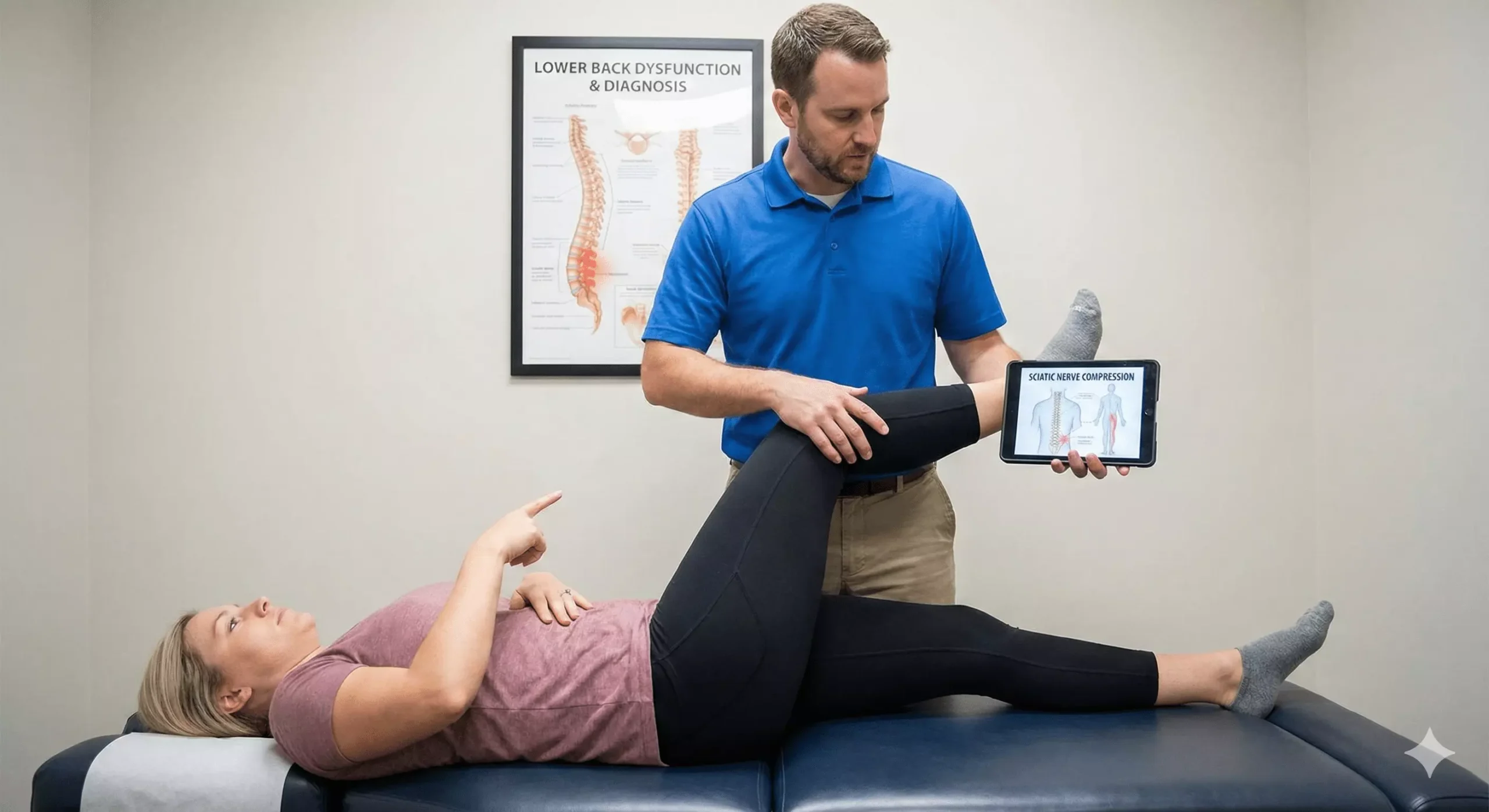
Sciatica causes pain, numbness, tingling, or weakness that travels from the lower back into the buttock and leg. These symptoms may make it harder to sleep comfortably, sit or stand for long periods, walk, exercise, or complete routine daily activities. Here’s more information on how sciatica can affect sleep and daily function:
Sleep Positions and Nighttime Discomfort
Sciatica often becomes more noticeable at night. When a person lies still, pressure on the lower back and hips shifts, and the pain often changes in intensity. The following are factors that commonly influence nighttime comfort.
Adjusting Sleep Position
Some sleep positions place more strain on the lower back than others. Lying on your stomach arches the spine, which may increase pressure on irritated areas. Some people find that side sleeping with a pillow between the knees keeps the hips and spine aligned. Others prefer lying on the back with a pillow under the knees, which can reduce tension in the lower back.
Managing Nighttime Symptoms
Fewer distractions at night often make pain sensations more noticeable. A mattress that sags or feels too firm often adds to discomfort, and turning over in bed can trigger sudden leg pain. When pain repeatedly interrupts sleep, a person may wake up tired, which affects focus and energy the next day.
Movement and Physical Limitations
Sciatica can limit how freely a person moves. Bending forward, lifting objects, or twisting the torso may provoke pain that shoots down the leg. Some people shorten their stride or shift their weight to one side when they walk; these changes can create stiffness in other areas over time. Sitting and standing for long periods can also cause problems. Prolonged sitting may increase pressure on the lower back, while standing in one place often leads to aching in the hips and legs.
Work and Everyday Activities
The physical limits of sciatica often extend into work. Desk workers may struggle to sit through long meetings, and people with physically demanding jobs often find lifting, carrying, or kneeling difficult. When pain disrupts concentration, tasks take longer to finish, which may affect productivity. Household responsibilities can also become difficult. Vacuuming, doing laundry, gardening, and carrying groceries all involve bending and lifting. Some people adjust their routines or ask others for help.
Symptom Management
Adjustments to daily habits may help some people manage sciatica symptoms. These strategies do not replace a professional evaluation, but they support comfort during routine activities. A pain management specialist can help determine which approaches fit a person’s specific condition. Here are some tips that can help manage symptoms:
- Change positions often: Stand up and walk briefly every few minutes to reduce strain from prolonged sitting.
- Use supportive seating: A chair with lower back support helps keep the spine in a neutral position.
- Lift with your legs: Bending at the knees and holding objects close to your body limits stress on your lower back.
- Adjust the sleep setup: Pillows placed between or under the knees help maintain spinal alignment.
- Track symptoms: Noting when pain increases, what triggers it, and how long it lasts gives a specialist useful information.
A specialist may ask how pain affects sleep, work, and movement, and clear notes make these answers more precise.
Learn More About Managing Sciatica
Sciatica disrupts sleep, limits movement, and makes work and household tasks harder. Sleep position, prolonged sitting, and repetitive bending often play a key role in how symptoms appear throughout the day. Habit changes may help some people, but a professional evaluation can clarify the underlying cause. Contact a qualified pain management specialist near you to book your appointment and learn more about managing sciatica today.
- Understanding Challenges in Geriatric Care and How To Address Them
- How Sclerotherapy Is an Effective Solution for Treating Spider and Varicose Veins
- Who Benefits From Ankle Replacement Surgery
- Common Questions To Ask About Cataract Surgery
- Discovering Unique Omegle Alternatives for Diverse Interactions

