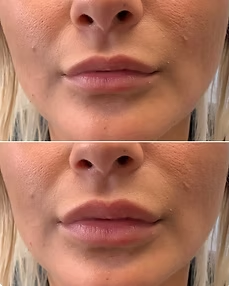
Lip fillers are a cosmetic treatment for patients seeking fuller, more defined lips. Medspas offer several formulations, and each differs in composition, longevity, and texture. Because each filler suits different aesthetic goals, understanding these distinctions helps patients make an informed choice. Here is more information on the main categories of lip fillers, how they work, and the benefits that each type provides:
What Are Lip Fillers?
Lip fillers are injectable treatments that add volume, shape, or definition to the lips, and a licensed medical professional administers them in a medspa. Patients may choose fillers over surgical options because the procedure is minimally invasive and requires little to no downtime. Results last anywhere from several months to over a year, depending on the formulation used.
What Are the Different Types?
Lip filler formulations use several substances, each with distinct properties. Patients should discuss these options with a provider to determine which aligns with their goals.
- Hyaluronic acid: A naturally occurring substance in the body that binds water molecules to create volume and hydration.
- Polymethylmethacrylate (PMMA): A synthetic, long-lasting filler often combined with collagen.
- Calcium hydroxylapatite: A mineral-based filler that stimulates collagen production while adding immediate volume.
- Poly-L-lactic acid: A biostimulatory filler that gradually encourages the body to produce its own collagen over time.
Providers evaluate a patient’s lip structure, goals, and medical history before recommending a specific type.
How Do They Work?
Providers inject lip fillers into targeted areas of the lips using a fine needle. Once the filler is injected, the material integrates with the surrounding tissue, creating volume, structure, or smoothness depending on the formulation. Hyaluronic acid fillers attract and retain water, producing an immediate plumping effect. Poly-L-lactic acid works differently; because it triggers the body’s own collagen production, results may emerge gradually rather than instantly.
The injection process may be completed in 30 minutes. A topical numbing agent is applied beforehand to minimize discomfort, and patients may tolerate the procedure well. When the procedure is complete, patients may experience swelling and mild bruising as part of the normal healing process. They typically resolve within a few days.
What Are the Benefits?
Lip fillers offer several advantages for patients who are looking to enhance their appearance without surgery. The treatment is relatively quick. It requires minimal recovery time, and it produces results that can be customized to individual preferences. Since providers can adjust the amount and placement of the filler, outcomes range from subtle enhancement to more noticeable volume.
When patients have access to multiple formulations, they should work with their healthcare providers to choose the option that meets their needs. Patients seeking temporary, adjustable results may prefer hyaluronic acid, while those looking for longer-lasting changes benefit from calcium hydroxylapatite or PMMA. Poly-L-lactic acid helps patients seeking a gradual transformation that is supported by natural collagen growth. This flexibility lets providers tailor treatment plans to each patient’s anatomy and aesthetic goals.
Visit a Medspa Today
Choosing the right lip filler depends on a patient’s goals and lip anatomy; hyaluronic acid, PMMA, calcium hydroxylapatite, and poly-L-lactic acid each offer distinct benefits. A consultation with a licensed provider allows for a personalized assessment and treatment recommendation. If you are exploring your options, schedule a consultation at a medspa near you. A qualified provider can answer your questions and help you achieve natural-looking results tailored to your unique features.
- Understanding Challenges in Geriatric Care and How To Address Them
- How Sclerotherapy Is an Effective Solution for Treating Spider and Varicose Veins
- Who Benefits From Ankle Replacement Surgery
- Common Questions To Ask About Cataract Surgery
- Discovering Unique Omegle Alternatives for Diverse Interactions

