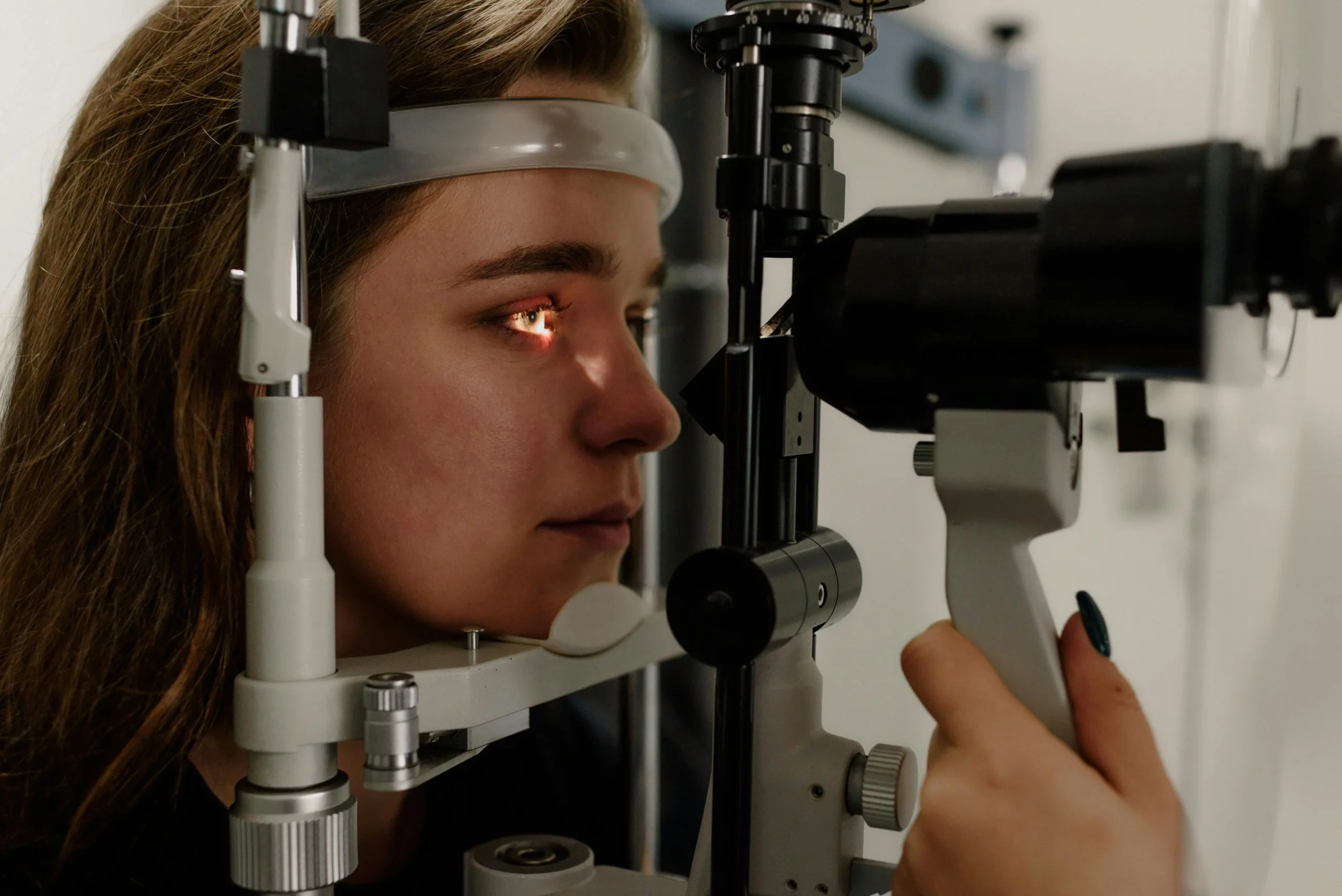
A cataract clouds the natural lens inside your eye; light has trouble passing through the cloudy lens, and your vision may look blurry, dim, or faded. Cataract surgery replaces that lens with a clear artificial lens called an intraocular lens. If you have a consultation coming up, a few prepared questions will help you understand the process and plan ahead. Here are some questions you can ask:
Will the Procedure Hurt?
Most patients have little or no pain during cataract surgery. Before the procedure begins, your care team numbs the eye with drops or a local injection. Many centers also offer a mild sedative, and you stay awake the entire time.
While you won’t feel pain, you may notice light pressure near your eye. You may see bright lights or shifting colors, and these sensations pass quickly. Mild scratchiness or itching for a day or two is normal. Ask your surgeon which pain relievers are safe to use at home.
Is Surgery My Only Option?
When a cataract is mild, you may not need surgery right away. A stronger glasses prescription sometimes improves vision in the early stages. Brighter lamps help with reading, and anti-glare lenses may reduce halos during night driving. Your eye doctor tracks any changes at regular exams.
These steps manage symptoms, but they do not remove the cataract. Since cataracts tend to progress over time, the cloudiness typically worsens. No eye drop, pill, or supplement currently clears a cataract from the lens. Over time, these short-term fixes may stop working well.
Surgery is the only treatment for removing a cataract. Some people wait for years, and others choose surgery sooner. Ask your eye doctor how the cataract affects your driving, reading, and work. Your answers help guide the timing of treatment.
How Long Is the Procedure?
The surgery itself is typically short, but your full visit lasts longer. Plan to spend several hours at the surgical center. The extra time covers several steps that happen before and after the procedure:
- Consultation, paperwork, and a review of your health history
- Dilation drops and numbing medication
- Removal of the cloudy lens and placement of the new lens
- Rest and monitoring in a recovery area
If you have cataracts in both eyes, surgeons typically treat one eye at a time. The second surgery may follow a few weeks later. You won’t be able to drive home, so arrange a ride ahead of time. Ask whether you need to pause any medications before surgery.
What Does Aftercare Involve?
Recovery starts the same day as your surgery. Your surgeon gives you a protective shield, and you wear it while sleeping for about a week. Vision typically stays blurry for a few days while the eye heals. Your aftercare plan may include these steps:
- Use prescribed eye drops on the schedule your surgeon provides
- Avoid rubbing or pressing on your eye
- Skip heavy lifting and bending for one to two weeks
- Keep water, soap, and makeup away from your eye
- Attend every follow-up appointment
If you notice sudden pain, vision loss, or flashes of light, call your surgeon right away. Full healing usually takes about a month. Some patients need new glasses afterward, and your eye doctor checks your prescription at that visit.
Book a Cataract Surgery Consultation
A consultation gives you time to ask questions, and the surgeon examines your eyes in detail. Bring your written list of questions to the appointment. When you call to schedule, ask how long the exam lasts and whether you need a driver. Dilating drops may blur your vision for several hours afterward.
- Understanding Challenges in Geriatric Care and How To Address Them
- How Sclerotherapy Is an Effective Solution for Treating Spider and Varicose Veins
- Who Benefits From Ankle Replacement Surgery
- Common Questions To Ask About Cataract Surgery
- Discovering Unique Omegle Alternatives for Diverse Interactions

