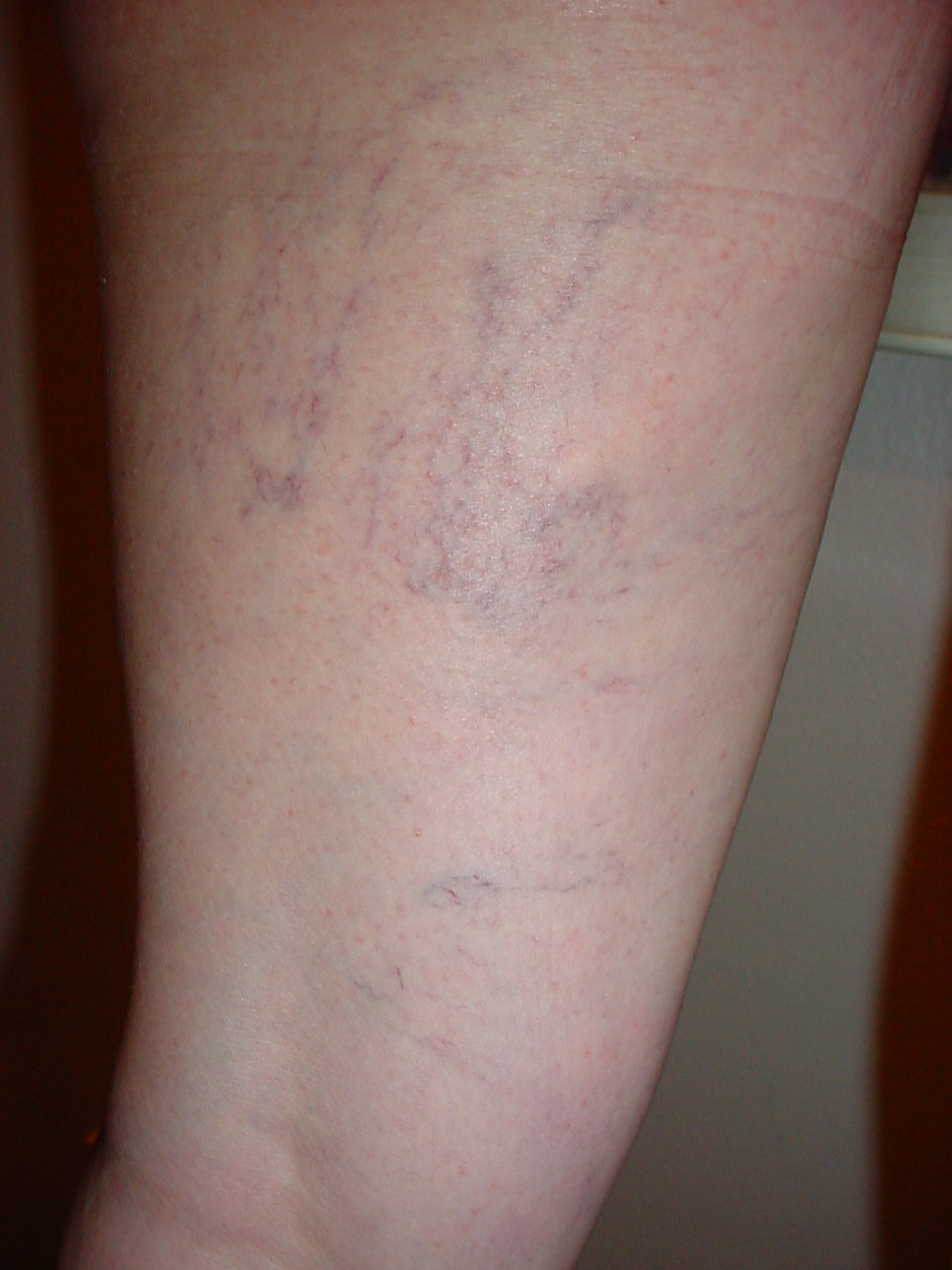
Sclerotherapy treats spider veins and certain varicose veins with minimally invasive techniques. During this procedure, a radiologist injects a solution directly into the affected vein with a fine needle to irritate it and cause the vein to close. A provider may recommend sclerotherapy when spider or varicose veins cause cosmetic concerns or symptoms such as aching, swelling, or heaviness in the legs. Before treatment, your provider will review your medical history and examine the veins. They may also use ultrasound imaging to evaluate blood flow and determine whether sclerotherapy is a suitable option for you. Here’s information on how specialists treat varicose and spider veins with this injectable therapy option:
Targeting Multiple Veins
With sclerotherapy, a provider can treat more than one vein during a single session. Your provider will clean the treatment area before inserting a fine needle into each targeted vein. Small spider veins may need only one injection, but larger or longer veins often require several injections along their length. Spider veins are smaller, thinner vessels that appear red, blue, or purple just beneath the skin’s surface. Varicose veins are larger and commonly look raised or twisted.
Your provider places these injections at intervals to distribute the solution evenly through the vessel. For veins below the skin’s surface, a provider will use ultrasound guidance to position the needle accurately. Some people need more than one sclerotherapy session to address all of their veins, but providers usually space sessions several weeks apart. This interval gives treated veins time to respond and heal before additional injections are performed. Your provider will create a treatment plan based on the extent of your vein concerns.
Utilizing Sodium-based Solutions
Sclerotherapy relies on a solution called a sclerosant, which irritates a vein’s inner lining. This irritation causes the vein walls to swell and stick together. The vein gradually closes off, and blood reroutes through nearby healthy veins. Many providers use sodium-based sclerosants, such as sodium tetradecyl sulfate or hypertonic saline, which is a concentrated salt solution. Over the following weeks, the body breaks down and reabsorbs the collapsed vein; as this happens, the treated vein may fade from view.
Supporting Your Recovery
Sclerotherapy is minimally invasive, so most people can return to many daily activities shortly after treatment. Some veins fade within a few weeks, while others take several months. Providers encourage walking soon after the procedure to lower the risk of developing blood clots. Regular movement also helps keep blood flowing. During recovery, avoid intense exercise such as running, heavy lifting, or high-impact workouts.
Avoid sitting or standing still for long periods during the first few days, and limit direct sun exposure on the treated areas. Sunlight may contribute to skin discoloration while the veins heal. Cover the area or use sunscreen when you go outdoors. Your provider will likely recommend wearing compression socks or wraps for a set period. Compression applies steady pressure to the treated veins; this pressure helps keep the vein walls closed and may reduce swelling and bruising.
Follow-up appointments allow your provider to monitor your progress, sometimes with an ultrasound for deeper veins. During these visits, your provider checks that the area is healing well and that the vein is being reabsorbed. Your provider may recommend additional sessions if needed, helping you to reduce noticeable swollen or discolored veins.
Benefit From Sclerotherapy
Sclerotherapy is a minimally invasive approach to addressing spider veins and varicose veins, and providers can treat multiple veins in one session. Recovery involves staying active, wearing compression socks, and attending follow-up visits. To schedule a consultation and learn more about this treatment option, contact a radiology facility near you that specializes in sclerotherapy.
- Understanding Challenges in Geriatric Care and How To Address Them
- How Sclerotherapy Is an Effective Solution for Treating Spider and Varicose Veins
- Who Benefits From Ankle Replacement Surgery
- Common Questions To Ask About Cataract Surgery
- Discovering Unique Omegle Alternatives for Diverse Interactions

