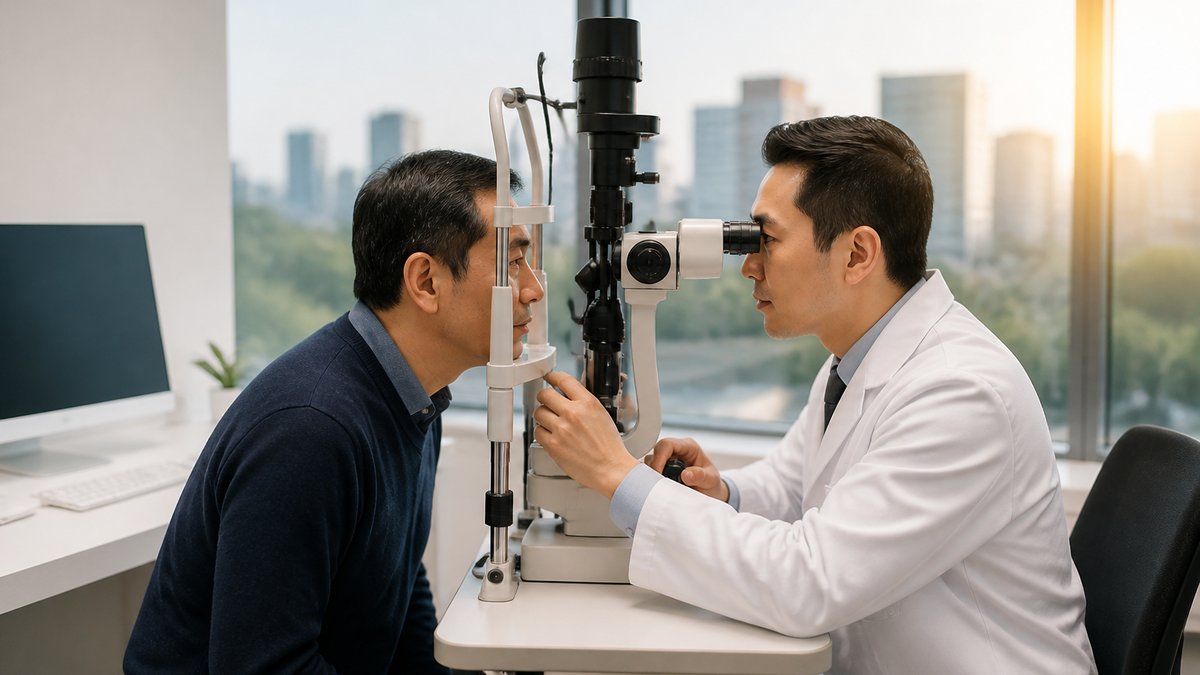
LASIK surgery reshapes the cornea to correct common vision problems, including nearsightedness, farsightedness, and astigmatism. Patients can notice clearer vision within a day of the procedure, but the eyes still need time to heal fully. Following proper recovery guidelines helps reduce the risk of complications and protects the long-term results of the surgery. Explore tips for recovering from LASIK surgery.
Eye Rest and Care
Immediately after the procedure, your eyes will be especially sensitive. Surgeons may recommend that patients go home and sleep for several hours immediately after their laser eye procedure. Sleep allows the eyes to begin healing and helps ease mild burning, itching, or watering that are expected during the first day.
The following practices can help protect them while the corneal flap heals:
- Avoid rubbing your eyes. Rubbing can dislodge the corneal flap created during surgery. If your eyes feel itchy or irritated, use the drops your surgeon recommends instead.
- Wear protective eye shields while sleeping. Your surgeon will likely provide shields to prevent accidental rubbing or pressure during sleep, typically for about one week.
- Use prescribed eye drops as directed. Antibiotic and anti-inflammatory drops help prevent infection and reduce swelling. Lubricating drops can relieve dryness, which is common after laser eye surgery.
- Limit screen time early in recovery. Computers, phones, and televisions can cause eye strain and reduce blinking, which may worsen dryness. Take frequent breaks during the first few days.
- Wear sunglasses outdoors. Your eyes may be more sensitive to light after surgery, and sunglasses also protect them from wind and debris.
Mild discomfort, halos around lights, and fluctuating vision are normal during the early stages of healing. Contact your surgeon if you experience severe pain, worsening vision, or unusual discharge.
Limiting Activities
Certain activities can place the eyes at risk during recovery. Avoid driving until your surgeon confirms that your vision meets the legal standard, usually at your first follow-up visit. Strenuous exercise should be postponed for at least several days, as sweat can enter the eyes and cause irritation or infection. Light activity, such as walking, is generally acceptable sooner.
Patients should avoid swimming pools, hot tubs, lakes, and oceans until given surgeon permission. When showering, keep water and soap away from your eyes. Contact sports, such as football, basketball, or martial arts, should be avoided temporarily; protective eyewear is advisable when you resume them. You should also avoid dusty or smoky environments, which can irritate healing eyes.
Limiting Makeup
Cosmetics applied near the eyes can introduce bacteria and particles that may lead to infection or irritation. Avoid eye makeup, including mascara, eyeliner, and eyeshadow, until your surgeon allows. When you resume wearing makeup, replace your existing eye products to avoid bacterial infections.
Follow-Up Appointments
Follow-up appointments after LASIK allow your surgeon to monitor healing and identify potential concerns early. The first visit usually takes place shortly after surgery. During this appointment, your surgeon will check your vision, examine the corneal flap, and confirm that your eyes are healing as expected.
Additional appointments are commonly scheduled at different intervals follwing your procedure. Vision may continue to stabilize over several months, and these visits help ensure that your results remain on track. Attend every scheduled appointment, even if your vision seems clear, and share any symptoms or questions with your care team.
Getting LASIK Surgery
LASIK surgery can significantly reduce or eliminate dependence on glasses and contact lenses, and a careful recovery helps you achieve the best possible outcome. By resting your eyes, limiting certain activities, avoiding eye makeup, and attending all follow-up visits, you can support safe and effective healing. If you are considering LASIK, schedule a consultation with an experienced, board-certified eye surgeon to determine whether the procedure is right for you.
- Risk Factors and Management Strategies for Coronary Artery Disease
- 4 Signs You Need to Consult a Podiatrist for Plantar Fasciitis
- Medication Options for Fibromyalgia Treatment
- Exploring Types of Allergy Testing
- What To Expect Before, During, and After Mohs Surgery

