• Cardiology
  • Dentistry
  • Elderly Care
gizmocrunchs.com
  • Gynecology
  • Urology
  • Blog
    • Pain Management
    • Podiatry
    • Nutrition
    • Women’s Health
    • Internal Medicine
    • Primary Care
Author

Richard

Richard

Recognizing the Signs of a Serious Neck Injury
Blog

Recognizing the Signs of a Serious Neck Injury

by Richard October 1, 2026
written by Richard

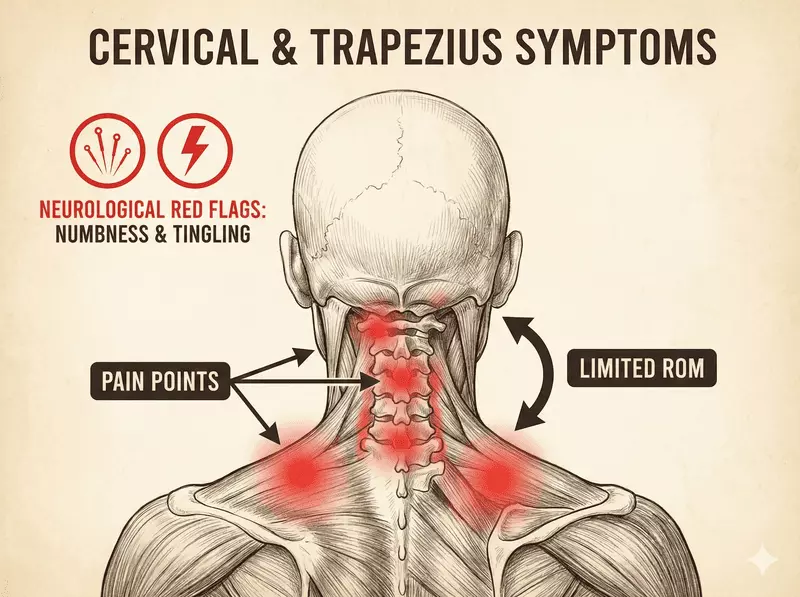
Neck injuries can cause pain, stiffness, numbness, or tingling. Symptoms may also include dizziness, muscle spasms, or arm weakness, while their severity varies between individuals. When neck pain persists or movement becomes limited, a medical evaluation provides information about possible causes and treatment options. Here is more information about recognizing the signs of a serious neck injury: 

Common Neck Injury Symptoms

Neck injuries may cause several symptoms that affect movement, sensation, and comfort. Some symptoms involve the neck directly, while others can affect the head, arms, or surrounding muscles. Common symptoms include:

  • Experiencing neck pain, stiffness, or limited movement
  • Developing numbness or tingling sensations
  • Hearing clicking or grating during movement
  • Experiencing dizziness, blackouts, or muscle spasms
  • Developing tension headaches around the head
  • Noticing weakness, pain, or fatigue in the arms

Because several symptoms might occur together, a healthcare provider can evaluate their pattern and possible causes.

Causes of Neck Injuries

Age-related changes may contribute to neck pain and injury. Repeated movement affects spinal structures over time, while osteoarthritis involves changes to cartilage within the joints. Spinal stenosis also narrows spaces within the spine and might contribute to neck symptoms.

Muscle strain can develop from overuse or poor posture. Stress sometimes increases muscle tension, and prolonged positioning can place additional strain on the neck. Because several factors affect neck muscles, symptoms often differ between individuals.

Direct injuries also affect structures within the neck. Whiplash involves sudden neck movement, and it can affect muscles, ligaments, discs, joints, or nerves. Spondylosis develops through age-related spinal changes and involves changes to the vertebrae and facet joints.

Neck Injury Diagnosis Methods

A neck injury evaluation often begins with a physical examination. A doctor may assess alignment, movement, and tenderness, while a medical history provides additional information about symptoms. Because previous injuries and daily activities can influence neck pain, providers also review symptom location, timing, and severity.

Diagnostic testing provides additional information when symptoms require further evaluation. X-rays, MRI scans, and CT scans examine different structures, while electrodiagnostic testing evaluates nerve and muscle function. Lab testing might also identify infections or rheumatological conditions that could contribute to neck symptoms.

Neck Injury Self-Care Tips

Self-care may be appropriate for some minor neck injuries. Heat, cold therapy, and relaxation techniques can address discomfort or muscle tension, while gentle movement might maintain flexibility. Additional approaches include:

  • Using acupuncture: Places thin needles at targeted points to stimulate nerves and address neck discomfort.
  • Receiving massage therapy: Applies controlled pressure to soft tissues to address muscle tension and spasms.
  • Undergoing manual manipulation: Uses hands-on techniques to adjust spinal structures and address joint movement.

Because neck symptoms vary in cause and severity, persistent or worsening discomfort warrants evaluation by a healthcare provider.

Neck Injury Treatment Options

Neck injury treatment depends on the source and severity of symptoms. Cervical epidural injections and facet blocks may target specific nerves or joints, while radiofrequency ablation addresses pain signals from selected nerves. Spinal cord stimulation and intrathecal pain pumps can provide additional options when persistent pain requires a different treatment approach. Because these procedures serve different purposes, a specialist evaluates the condition before discussing an appropriate treatment plan.

Schedule With a Specialist Today

Neck injuries may affect movement, sleep, and daily activities. Symptoms include pain, numbness, or dizziness, while some people also experience a limited range of motion. Because symptoms vary in severity and duration, a specialist can evaluate possible causes and discuss available treatment approaches. Schedule a neck pain evaluation today to discuss persistent symptoms and appropriate treatment options.

  • Understanding Challenges in Geriatric Care and How To Address Them
  • How Sclerotherapy Is an Effective Solution for Treating Spider and Varicose Veins
  • Who Benefits From Ankle Replacement Surgery
  • Common Questions To Ask About Cataract Surgery
  • Discovering Unique Omegle Alternatives for Diverse Interactions
October 1, 2026 0 comments
0 FacebookTwitterPinterestEmail
The Connection Between Flat Feet and Other Foot Problems
Podiatry

The Connection Between Flat Feet and Other Foot Problems

by Richard October 1, 2026
written by Richard

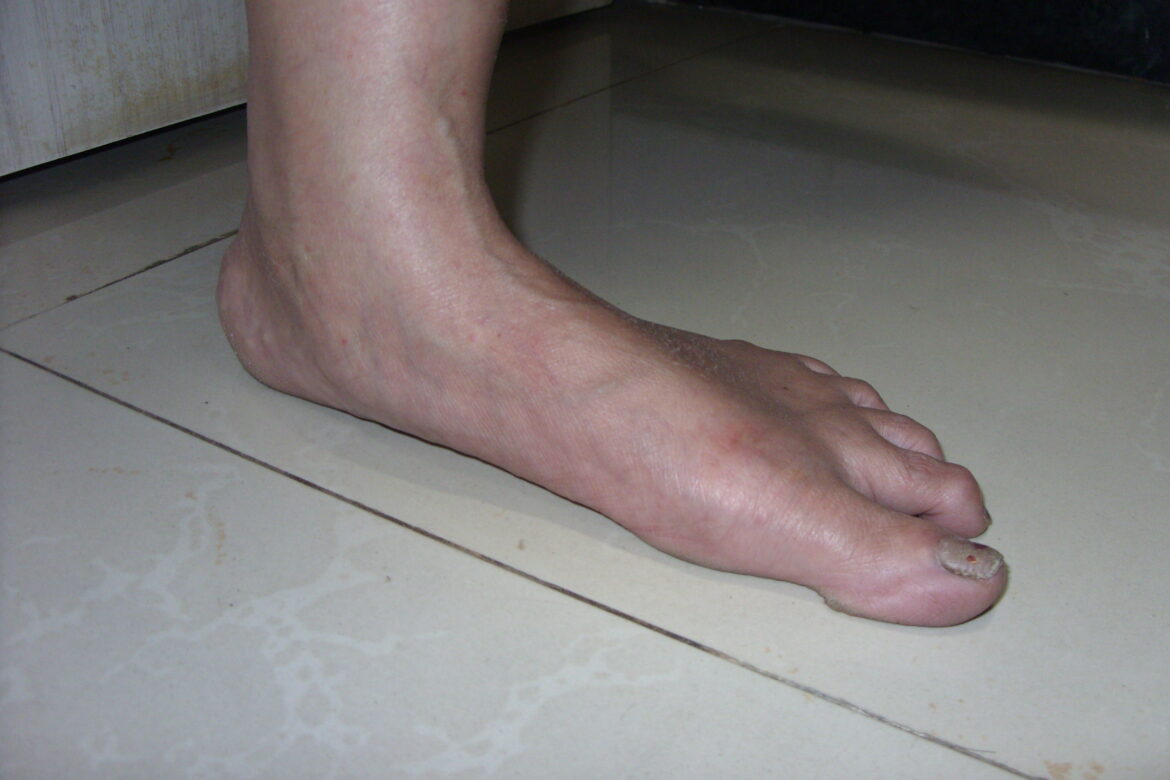
Flat feet describe a foot with a low or absent arch along the inner side. When a person with flat feet stands, most or all of the sole touches the ground. The arch helps the foot absorb shock and move efficiently, so a flattened arch may affect other parts of the foot and lower body. Here is some information about the connection between flat feet and other foot problems: 

Impacts Weight Distribution

Proper weight distribution helps maintain balance and reduce foot strain. A typical arch spreads body weight across the heel, the outer edge, and the ball of the foot. When the arch collapses, the foot often rolls inward; this motion is called overpronation. This places extra load on the inner heel, the arch, and the big toe joint. Over time, uneven pressure may contribute to problems such as:

  • Bunions
  • Calluses and corns 
  • Tendon strain 

Tendon strain also affects how the arch supports the foot. The posterior tibial tendon helps maintain the arch, so repeated strain or a tear can cause the arch to flatten further. As the arch loses support, weight often shifts toward the inner side of the foot, increasing pressure.

Changes Gait

Gait is the pattern of how you walk, and flat feet often alter it in small but measurable ways. With a low arch, the foot stays flexible longer during each step. It doesn’t always stiffen enough to push off the ground firmly. The ankle and lower leg can also rotate inward to compensate. This rotation travels upward; the knees, hips, and the lower back absorb some of the change. This helps explain why some people with flat feet also report joint aches. 

Causes Foot Pain

Many people have low arches and feel no discomfort. Pain doesn’t occur in every case, but when it does, it often appears in predictable areas. These include:

  • Arch and heel: The plantar fascia, a thick band of tissue under the foot, may stretch and become irritated. This condition is called plantar fasciitis.
  • Inner ankle: Swelling or tenderness here may point to posterior tibial tendon dysfunction.
  • Outer ankle: In advanced cases, the heel bone shifts outward and presses against the lower leg bone, causing pain on the outside of the ankle.
  • Shins: Repeated inward rolling strains the muscles along the shin, which may contribute to shin splints.

Track when the pain starts, how long it lasts, and what makes it worse. Pain that appears after long periods of standing often points to a different issue than pain that wakes you at night. A simple record gives a healthcare provider useful details during an exam, and it guides treatment planning. 

Support Flat Feet Today

Flat feet can affect weight distribution, gait, and pain patterns, but each person’s experience differs. Podiatrists often recommend supportive footwear and arch-support inserts to help lessen the effects. Doctors also examine foot structure and watch how you walk to develop personalized treatment plans. Schedule an appointment with a foot specialist today to learn more about your arch type and how it affects foot health. 

  • Understanding Challenges in Geriatric Care and How To Address Them
  • How Sclerotherapy Is an Effective Solution for Treating Spider and Varicose Veins
  • Who Benefits From Ankle Replacement Surgery
  • Common Questions To Ask About Cataract Surgery
  • Discovering Unique Omegle Alternatives for Diverse Interactions

October 1, 2026 0 comments
0 FacebookTwitterPinterestEmail
Allergy Prevention for Common Triggers
Allergy & Immunology

Allergy Prevention for Common Triggers

by Richard October 1, 2026
written by Richard

An allergy is an immune system reaction to a substance that is usually harmless, such as pollen, dust, or a certain food. When your body mistakes one of these substances for a threat, it releases chemicals like histamine that lead to symptoms. Learn which triggers affect you and how to limit contact with them, so you can manage symptoms. Here is some information about preventing allergies caused by common triggers: 

Avoiding Outdoor Triggers

Spending time outdoors exposes you to common allergens like pollen, which may worsen symptoms for some people. Check the daily pollen count before you plan time outside. Many weather apps and local news sites list pollen levels for trees, grasses, and weeds. Tree pollen typically peaks in early spring, while grass pollen peaks in late spring and early summer. Ragweed is common in late summer through fall. Pollen levels are also typically highest in the morning and on dry, windy days, so afternoon outings or walks after rain may expose you to less.

A few daily habits help limit how much pollen you bring inside:

  • Keep car and house windows closed on high-pollen days.
  • Wear sunglasses to reduce pollen contact with your eyes.
  • Change clothes and shower after spending time outdoors.
  • Dry laundry in a dryer instead of on an outdoor line.

Poor air quality may also worsen symptoms for some people. Look up the local Air Quality Index (AQI) each day, and limit outdoor activity when readings reach unhealthy levels. On days with poor air quality, keep windows closed to reduce exposure to airborne irritants.

Reducing Indoor Triggers

Creating an allergen-free environment can help manage symptoms and improve comfort at home. Dust mites are a common trigger; these microscopic creatures live in bedding, upholstered furniture, and carpet. Because they feed on shed skin cells, they gather where people sleep and sit. Wash sheets, pillowcases, and blankets frequently. Zippered, allergen-proof covers for mattresses and pillows add another barrier.

Humidity also matters. Both dust mites and indoor mold thrive in damp air, so aim to keep indoor humidity less than 50%. A hygrometer measures this level, and a dehumidifier helps in basements and other damp areas. Running exhaust fans in bathrooms and kitchens can reduce moisture buildup, which reduces humidity and limits conditions that support mold growth.

Managing Pet and Food Allergies

Managing allergies caused by pets or specific foods requires strategies to reduce exposure and prevent allergic reactions. Pet allergies come from proteins in dander, saliva, and urine, not from fur itself. No breed is fully allergen-free, but some people react less to certain animals. To lower exposure at home, keep pets out of the bedroom and off upholstered furniture. Bathe dogs regularly, brush pets outdoors, and wash your hands after handling them. Running a HEPA air purifier in shared living spaces can also reduce the dander in the air.

Food allergies require a different approach because even small amounts may trigger a reaction. Common foods that trigger allergies include:

  • Milk
  • Eggs
  • Tree nuts
  • Peanuts
  • Wheat

Read ingredient labels every time you shop, since manufacturers sometimes change recipes. When you eat out, tell your server about your allergy and ask how dishes are prepared; shared fryers, cutting boards, and utensils can cause cross-contact. If a doctor has prescribed an epinephrine auto-injector, carry it with you at all times.

Get Tested for Allergies

Prevention steps are easier to follow when you know which substances cause your symptoms. An allergist may use skin prick tests, blood tests, or supervised food challenges to identify triggers. Schedule an appointment with a board-certified allergist today.

  • Understanding Challenges in Geriatric Care and How To Address Them
  • How Sclerotherapy Is an Effective Solution for Treating Spider and Varicose Veins
  • Who Benefits From Ankle Replacement Surgery
  • Common Questions To Ask About Cataract Surgery
  • Discovering Unique Omegle Alternatives for Diverse Interactions

October 1, 2026 0 comments
0 FacebookTwitterPinterestEmail
Exploring Non-surgical Treatments for Chronic Back Pain
Chiropractic CarePhysical Therapy

Exploring Non-surgical Treatments for Chronic Back Pain

by Richard October 1, 2026
written by Richard

Chronic back pain lasts longer than 12 weeks, and it may stem from nerve compression, joint degeneration, or muscle strain. Non-surgical treatments exist. Physical therapy, nerve blocks, epidural steroid injections, facet joint injections, and radiofrequency ablation can reduce pain and improve mobility, which helps improve overall quality of life. Here is more information on chronic back pain, what causes it, and the benefits of non-surgical treatment:

What Is Chronic Back Pain?

Chronic back pain refers to back discomfort that lasts more than 12 weeks, even after the initial cause has been treated or resolved. It differs from acute pain. Some patients may describe chronic pain as a dull, persistent ache, while others experience sharp, shooting sensations that radiate down the legs. The severity and location vary depending on the underlying condition. Neurologists can diagnose this condition after ruling out other causes through imaging and physical exams.

What Causes It?

Chronic back pain stems from several sources, and identifying the exact cause guides an effective treatment plan. Common causes include:

  • Nerve compression: Occurs when a herniated disc or bone spur presses on spinal nerves, causing pain, numbness, or weakness.
  • Degenerative disc disease: Develops as the discs between vertebrae gradually lose hydration and cushioning over time.
  • Muscle or ligament strain: Arises from repetitive motion or poor posture, contributing to long-term discomfort.

What Are Non-surgical Treatments?

Patients who are looking to avoid surgery have several non-surgical options available, and these treatments focus on reducing inflammation, blocking pain signals, or restoring function through targeted therapy. Each approach is tailored to the patient’s specific condition. Because chronic back pain may stem from multiple underlying factors, treatment plans are individualized.

Physical therapy strengthens the muscles supporting the spine and improves flexibility. A physical therapist designs a program based on the patient’s condition, and it may combine stretching, strength training, and posture correction. Nerve blocks, which involve injecting an anesthetic near a specific nerve, interrupt pain signals before they reach the brain. This technique helps diagnose the pain source while also providing temporary relief.

Epidural steroid injections deliver anti-inflammatory medication directly into the space around the spinal cord, reducing swelling that irritates nearby nerves. Facet joint injections target the small joints between vertebrae. These injections numb the area and decrease inflammation, which contributes to stiffness and pain. Radiofrequency ablation uses heat generated by radio waves to disable the nerve fibers that transmit pain signals; because the procedure targets specific nerve fibers, it can offer lasting relief.

How Is Non-surgical Treatment Beneficial?

Non-surgical treatments offer several advantages over invasive procedures. Recovery time is typically shorter, and patients may return to normal activities within days rather than weeks. These treatments usually carry lower risks. They avoid complications associated with anesthesia, incisions, and extended hospital stays. When non-surgical treatments provide adequate relief, some patients may delay or avoid surgery entirely.

Non-surgical treatments also allow for a personalized approach to pain management; physicians will adjust treatment plans based on a patient’s response. Physicians sometimes combine multiple therapies to improve outcomes. Physical therapy can be modified in intensity and focus as the patient progresses. If one injection-based treatment proves ineffective, an alternative can be explored. This adaptability makes non-surgical care valuable for patients managing chronic back pain.

Find Relief Today

Non-surgical treatments like physical therapy, nerve blocks, and radiofrequency ablation address the root causes of chronic pain; each treatment works differently depending on the specific diagnosis. If you are experiencing chronic pain, consult a neurologist to determine the most effective treatment plan. Discuss symptoms and treatment history with a specialist to build a plan tailored to individual needs.

  • Understanding Challenges in Geriatric Care and How To Address Them
  • How Sclerotherapy Is an Effective Solution for Treating Spider and Varicose Veins
  • Who Benefits From Ankle Replacement Surgery
  • Common Questions To Ask About Cataract Surgery
  • Discovering Unique Omegle Alternatives for Diverse Interactions
October 1, 2026 0 comments
0 FacebookTwitterPinterestEmail
Benefits of Hyperbaric Therapy for Chronic Pain Management
Blog

Benefits of Hyperbaric Therapy for Chronic Pain Management

by Richard October 1, 2026
written by Richard

Hyperbaric therapy delivers concentrated oxygen under increased atmospheric pressure. This process reduces inflammation and promotes tissue repair, which makes it a valuable option for patients managing chronic pain. Nerve-related pain may ease, and damaged tissue receives support for healing. Here is more information on how hyperbaric therapy works and the benefits it offers:

What Is Hyperbaric Therapy?

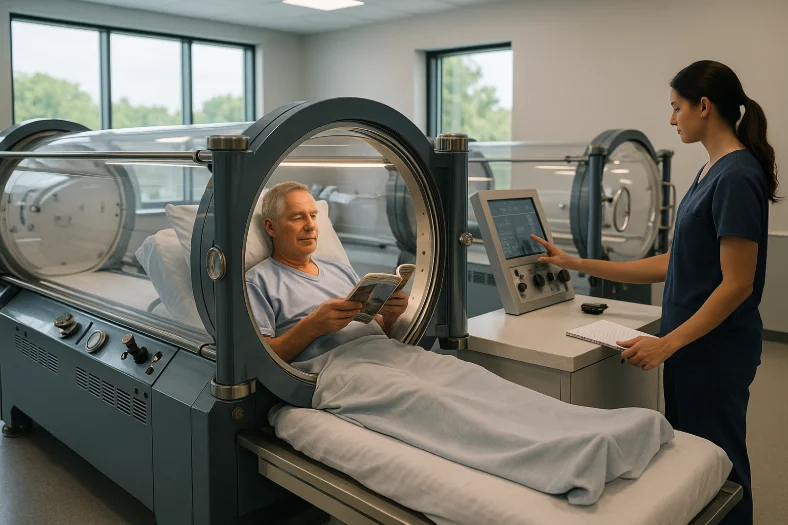
Hyperbaric therapy involves breathing pure oxygen inside a pressurized chamber. The pressure inside the chamber exceeds normal atmospheric pressure, which allows the lungs to absorb more oxygen than they would under typical conditions. Patients lie in the chamber for the duration of each session, and they remain awake throughout. The treatment is non-invasive, and it helps those with chronic conditions who may not be candidates for more intensive interventions.

How Does It Work?

Under normal conditions, oxygen travels through the bloodstream attached to red blood cells. When atmospheric pressure increases inside a hyperbaric chamber, oxygen dissolves directly into the body’s plasma, cerebrospinal fluid, and other tissues, which allows it to reach areas with reduced blood flow. This includes sites of chronic inflammation or nerve damage, and the process supports oxygenation where standard circulation may be insufficient.

Higher oxygen levels trigger several physiological responses; blood vessels initially constrict, which reduces swelling. Oxygen-rich plasma simultaneously reaches damaged tissue. Over multiple sessions, this mechanism can stimulate new blood vessel growth and support collagen production, both of which contribute to long-term healing.

The effects accumulate with repeated sessions. A single treatment may offer short-term benefits, but a full course of therapy produces more sustained change. Since the body responds incrementally, clinicians may recommend a structured series of sessions to achieve the most clinically significant outcomes.

How Is Chronic Pain Managed?

Chronic pain often stems from inflammation, nerve damage, or poor circulation. Conditions such as fibromyalgia, complex regional pain syndrome, and diabetic neuropathy may involve one or more of these underlying issues, and each presents distinct challenges for treatment. Because hyperbaric therapy increases oxygen delivery to affected tissue, it addresses these mechanisms rather than only masking the pain response.

Physicians may use this therapy alongside other treatments rather than as a standalone solution. Patients with chronic pain are monitored closely throughout treatment. Pain levels, mobility, and inflammation markers may be tracked across sessions; this data helps determine whether the therapy is producing results. Clinicians adjust session frequency or duration because each patient responds differently.

What Are the Benefits?

Hyperbaric therapy offers several benefits for chronic pain patients, including:

  • Reduced inflammation at the cellular level
  • Improved blood flow to damaged or oxygen-deprived tissue
  • Support for nerve repair in conditions involving neuropathy

Results vary by patient and condition, and those with circulation-related pain or nerve damage may see more consistent improvement.

Learn More About Managing Pain

Hyperbaric therapy offers a non-invasive approach for patients managing chronic pain, particularly when inflammation or nerve damage plays a role. The therapy works as part of a broader pain management plan rather than a replacement for existing treatment. If you are evaluating this therapy, discuss your specific condition and history with a physician. A medical provider can determine whether hyperbaric therapy fits your current pain management plan, and they will outline what a realistic treatment timeline looks like.

  • Understanding Challenges in Geriatric Care and How To Address Them
  • How Sclerotherapy Is an Effective Solution for Treating Spider and Varicose Veins
  • Who Benefits From Ankle Replacement Surgery
  • Common Questions To Ask About Cataract Surgery
  • Discovering Unique Omegle Alternatives for Diverse Interactions

October 1, 2026 0 comments
0 FacebookTwitterPinterestEmail
The Impact of Lifestyle Changes on Metabolism and Weight Loss
Weight Management

The Impact of Lifestyle Changes on Metabolism and Weight Loss

by Richard October 1, 2026
written by Richard

Metabolism refers to the chemical processes inside your body’s cells, and these processes convert food and drink into energy and build and repair your tissues every day. Since daily habits shape these processes, lifestyle changes may affect how your body uses and stores energy. Here is more information on lifestyle changes and how they can impact metabolism and weight:

Adjusting Diet

When you eat fewer calories than you burn, your body draws on its stored energy for fuel. Very low-calorie diets may slow your resting metabolic rate over time. A daily deficit of 500 calories is a typical target, and many dietitians use this range.

Food quality also affects your metabolism and your hunger levels. Your body uses more energy to digest whole foods because they typically contain more fiber and protein. Small swaps add up over several weeks, and the following changes fit most eating plans:

  • Replace sugary drinks with water or unsweetened tea.
  • Fill half your plate with vegetables at lunch and dinner.
  • Choose whole grains over refined white bread and pasta.
  • Eat meals at regular times to manage hunger.

Performing Recommended Exercises

Aerobic activity raises your heart rate, and strength training builds and maintains muscle. Since muscle burns more calories at rest than fat, strength training may support a higher metabolic rate. Both forms of exercise play a role in long-term metabolism and weight management.

Try to incorporate moderate aerobic activity each week. Brisk walking counts as moderate activity, and running or fast cycling counts as vigorous activity. If you prefer vigorous exercise, increase the amount of time you exercise.

If you are new to strength training, start with light weights and focus on proper form. Adults need muscle-strengthening activity on at least two days each week. Work all major muscle groups, and use free weights, resistance bands, or your own body weight.

Reducing Body Weight

A smaller body requires less energy, and your daily calorie needs drop with each pound of weight loss. This process is called metabolic adaptation. As your weight changes, your original calorie target may no longer create the same deficit.

Many people reach a plateau after several months, even though they follow the same plan. Plateaus are a normal part of weight loss, and small adjustments often restart steady progress. Typical adjustments include the following steps:

  • Recalculate your calorie needs after every 10 pounds lost.
  • Add 2,000 to 3,000 steps to your daily total.
  • Track your meals for one week to spot hidden calories.
  • Aim for seven to nine hours of sleep each night.

Prioritizing Protein

Protein has a higher thermic effect than carbohydrates or dietary fat. Your body uses 20 to 30 percent of protein calories for digestion, while fat requires far less. Protein also helps you feel full longer, and this effect may reduce snacking between meals. When you lose weight, extra protein may help you keep more lean muscle. Good sources include eggs, fish, poultry, beans, lentils, Greek yogurt, and tofu.

Schedule a Metabolism Check-up

Since metabolism varies from person to person, a check-up gives you a clearer starting point for change. A provider may measure your resting metabolic rate, and they may review your blood work and thyroid function. Contact a medical weight loss center today to schedule your metabolism check-up.

  • Understanding Challenges in Geriatric Care and How To Address Them
  • How Sclerotherapy Is an Effective Solution for Treating Spider and Varicose Veins
  • Who Benefits From Ankle Replacement Surgery
  • Common Questions To Ask About Cataract Surgery
  • Discovering Unique Omegle Alternatives for Diverse Interactions

October 1, 2026 0 comments
0 FacebookTwitterPinterestEmail
The Role of Anesthesiologists in Pain Management for Cancer Patients
Pain Management

The Role of Anesthesiologists in Pain Management for Cancer Patients

by Richard October 1, 2026
written by Richard

Anesthesiologists who specialize in pain management use medications, nerve blocks, and other interventional techniques to control cancer-related pain. They may work alongside oncologists, and their involvement helps tailor pain management plans to each patient’s diagnosis and pain severity. Because cancer pain varies from patient to patient, this collaborative approach is key to effective care. Here is more information on what anesthesiologists do and the services they provide:

What Is an Anesthesiologist?

An anesthesiologist is a physician trained to administer anesthesia and manage pain during and after medical procedures. Their specialized training enables them to understand how pain signals travel through the nervous system, and they will determine which interventions can interrupt or reduce those signals effectively. Before recommending a course of action, a pain management anesthesiologist conducts a thorough evaluation of the patient’s medical history, current symptoms, and treatment plan so that any intervention is targeted and appropriate.

What Services Do They Offer?

Anesthesiologists offer a range of services designed to address different pain types and severities. These services include:

  • Nerve blocks, which interrupt pain signals before they reach the brain, providing targeted relief for localized pain
  • Epidural injections, which deliver medication directly to the area surrounding the spinal cord
  • Radiofrequency ablation, which uses heat to disable specific nerves responsible for transmitting pain signals

Each treatment plan is tailored to the patient’s diagnosis, pain location, and response to prior therapies, and is adjusted as the patient’s condition evolves throughout treatment.

What Does Pain Management Involve?

When managing pain in cancer patients, healthcare providers may begin with the least invasive options before recommending more targeted interventions. A physician begins by assessing pain intensity, location, and triggers. This assessment guides decisions about medication type, dosage, and delivery method, and it makes sure that the treatment plan matches the patient’s needs.

As treatment progresses, physicians may introduce interventional procedures such as nerve blocks or injections, and these are typically recommended when medications alone fail to provide adequate relief. Pain levels fluctuate during cancer treatment. Monitoring plays an integral role throughout this process, and anesthesiologists adjust their recommendations based on regular follow-up appointments and patient feedback. Because no two patients respond the same way to treatment, ongoing evaluation enables adjustments to the pain management plan.

How Do Cancer Patients Benefit?

Cancer patients who work with a pain management anesthesiologist potentially experience an improved quality of life during treatment. Reduced pain facilitates better sleep and mobility, and patients may report greater participation in daily activities as a result. When pain is addressed through a structured plan, patients may be more capable of tolerating chemotherapy or radiation sessions.

Coordinated care between an oncologist and a pain management anesthesiologist reduces gaps in treatment. Because both specialists can communicate about medication interactions and overall health status, patients receive more consistent oversight throughout their care. This collaboration keeps pain management strategies aligned with the patient’s broader treatment plan; it allows timely adjustments as health conditions change.

Learn More About Pain Management

Anesthesiologists play a specific role in cancer care by addressing pain through targeted medical and interventional techniques. Their training allows them to design adaptable treatment plans. If pain has become a problem during cancer treatment, speak with a pain management specialist. A tailored plan may offer relief, and specialized care helps you to focus more on recovery.

  • Understanding Challenges in Geriatric Care and How To Address Them
  • How Sclerotherapy Is an Effective Solution for Treating Spider and Varicose Veins
  • Who Benefits From Ankle Replacement Surgery
  • Common Questions To Ask About Cataract Surgery
  • Discovering Unique Omegle Alternatives for Diverse Interactions
October 1, 2026 0 comments
0 FacebookTwitterPinterestEmail
How Podiatrists Diagnose and Treat Foot Conditions
Podiatry

How Podiatrists Diagnose and Treat Foot Conditions

by Richard October 1, 2026
written by Richard

A podiatrist specializes in diagnosing and treating conditions that affect the feet, ankles, and lower legs. They can identify the cause of pain, injuries, deformities, and other concerns before recommending appropriate treatment. Here is a closer look at how podiatrists diagnose and treat foot conditions:

Evaluating Foot Symptoms

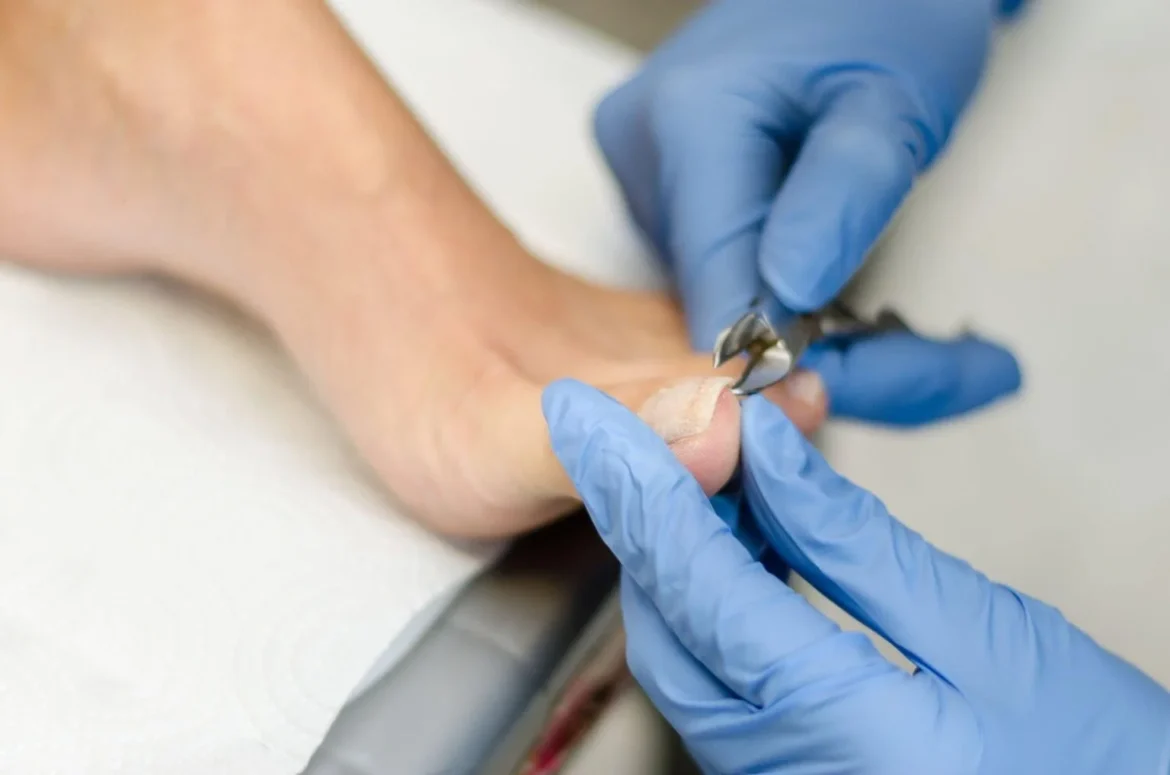
The first step begins with a detailed review of your symptoms and medical history. A podiatrist asks when the discomfort started, where it appears, and how it changes with activity or rest; these answers narrow the possible causes. The specialist then examines the foot and ankle, checking for swelling, skin changes, joint movement, and areas of tenderness. This hands-on evaluation gives the podiatrist a clear starting point, and it often shapes the direction of further testing.

Using Diagnostic Testing

Diagnostic testing confirms findings from the physical exam and reveals details the eye cannot detect. A podiatrist selects tests based on your symptoms, and each tool serves a specific purpose. Common tests include the following:

  • X-rays: These images show bones and joints, which help the podiatrist identify fractures, arthritis, or structural changes.
  • Ultrasound: This scan views soft tissues such as tendons and ligaments, and it can detect inflammation or tears.
  • MRI scans: These produce detailed images of bone and soft tissue and can help when standard tests leave questions.
  • Gait analysis: The specialist observes how you walk to identify alignment problems that may contribute to pain.
  • Blood tests: These check for underlying conditions, such as infection or inflammation, that may affect the feet.

Treating Common Conditions

After diagnosis, a podiatrist designs a treatment plan that matches the condition and your goals. Some problems respond well to conservative care, while others require a more structured approach. Treatment often combines several methods, and your progress determines whether adjustments are needed.

Nonsurgical Treatment

Treating foot conditions often begins with non-surgical care, which addresses symptoms while protecting the affected area. A podiatrist may recommend custom orthotics, supportive footwear, or physical therapy to reduce strain and improve function. Medication, padding, and activity changes also play a role, and they often work together for steady improvement.

Surgical Treatment

When conservative methods do not resolve the problem, a podiatrist may recommend surgery as the next step. Procedures can correct structural issues, remove damaged tissue, or repair fractures, and the specialist reviews the risks and expected outcomes. Recovery plans include guidance on rest, movement, and follow-up visits, which support a smooth return to activity.

Managing Persistent Problems

Some foot conditions require long-term attention, and a podiatrist coordinates ongoing care. Chronic concerns, such as conditions linked to diabetes or arthritis, require regular monitoring to prevent complications; the specialist tracks changes over time. The podiatrist may collaborate with other providers to create a connected plan that addresses your overall health. This ongoing oversight helps you manage persistent problems while you maintain daily routines.

Visit a Local Podiatrist Today

A podiatrist evaluates symptoms, uses targeted testing, and provides nonsurgical and surgical treatments for a wide range of foot and ankle conditions. They treat acute injuries, manage chronic conditions, and coordinate care with other providers for comprehensive support. Early care often simplifies treatment, and it supports better daily function for individuals and families alike. Contact a qualified podiatrist in your locality to book your appointment today.

  • Understanding Challenges in Geriatric Care and How To Address Them
  • How Sclerotherapy Is an Effective Solution for Treating Spider and Varicose Veins
  • Who Benefits From Ankle Replacement Surgery
  • Common Questions To Ask About Cataract Surgery
  • Discovering Unique Omegle Alternatives for Diverse Interactions
October 1, 2026 0 comments
0 FacebookTwitterPinterestEmail
The Future Of Endodontic Implants In Minimally Invasive Dentistry
Dentistry

The Future Of Endodontic Implants In Minimally Invasive Dentistry

by Richard October 1, 2026
written by Richard

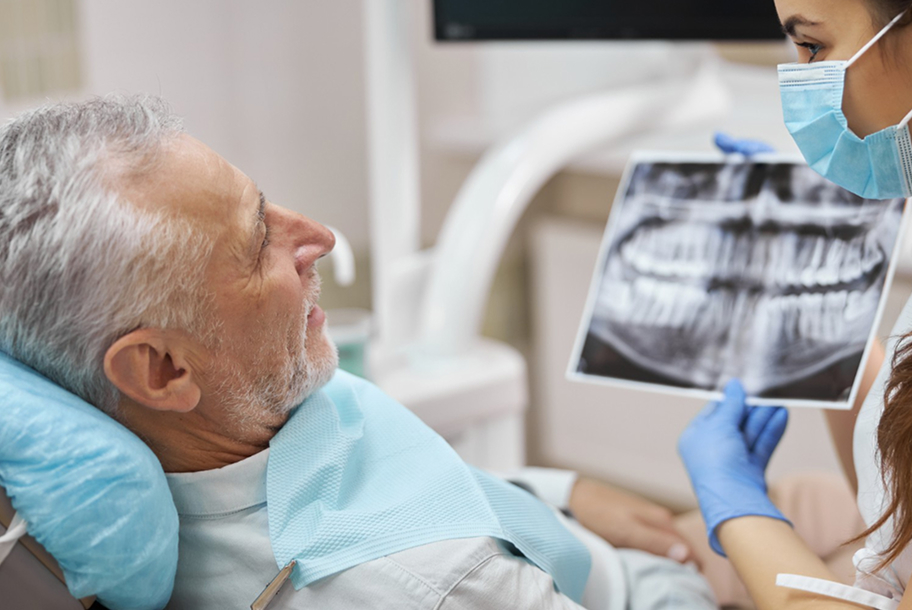
Endodontic implants support tooth replacement or stabilization while preserving as much surrounding oral tissue as possible. Advances in imaging, implant materials, and surgical techniques are making treatment more precise and less invasive. Here is more information on the future of endodontic implants in minimally invasive dentistry:

Reducing Surgical Trauma

Minimally invasive methods focus on treating the problem while limiting disruption to surrounding tissue. Endodontic implants support this goal; specialists can often place them through smaller access points than traditional surgery requires. The result is a procedure that preserves more of your natural structure, which patients may find helpful during recovery. Precise planning plays a key role in reducing surgical trauma. Specialists map the treatment area before any work begins, and this helps them target only the regions that need attention.

Improving Implant Placement

Accurate placement determines how well an endodontic implant functions over time. Modern tools guide specialists through each step, and this precision lets them position the implant along the tooth’s natural path. When placement follows the existing root channel, the device integrates with the surrounding bone in a controlled manner.

Implant Positioning

Guided positioning relies on detailed imaging to direct each movement. Specialists review these images, and they build a plan that matches your specific anatomy. The approach keeps the implant aligned with the tooth it supports.

Material Selection

Material choice influences how an endodontic implant performs in the mouth. Specialists select biocompatible options that work with natural tissue and can withstand daily use. Careful selection supports the implant’s stability.

Expanding Treatment Options

Endodontic implants widen the range of cases specialists can address. Teeth that may once have been removed can sometimes be preserved, and this shift gives patients more options to review. Several factors influence whether this treatment suits a particular situation. Here are some common concerns that specialists review before recommending endodontic dental implants:

  • Remaining tooth structure: Teeth with enough healthy structure anchor better, and specialists assess this first.
  • Bone condition: Adequate bone supports the implant, so clinicians evaluate density and volume.
  • Overall oral health: Healthy gums and surrounding teeth contribute to a stable outcome.
  • Treatment goals: Your priorities for function, comfort, and appearance guide the final plan.

Advancing Digital Implant Care

Digital technology continues to influence how specialists plan and deliver endodontic implants. Scanners capture detailed views of the mouth, and software translates these views into precise treatment maps. This workflow lets clinicians rehearse each step before they begin, supporting consistent results.

Digital records also improve communication across a care team. Specialists share files instantly, keeping everyone aligned on the plan. Follow-up appointments benefit too, as clinicians compare current scans against earlier ones to track progress. Visual models also show the proposed outcome, and this preview helps patients understand what the procedure involves.

Learn More About Endodontic Implants

Endodontic dental implants offer adults with failing or missing teeth a minimally invasive option. A minimally invasive approach aims to reduce surgical trauma, improve placement, expand treatment possibilities, and benefit from digital care. Each element reflects a move toward preserving natural structure while restoring function and appearance. Contact a qualified periodontist near you to schedule your appointment and learn more about endodontic implants today.

  • Understanding Challenges in Geriatric Care and How To Address Them
  • How Sclerotherapy Is an Effective Solution for Treating Spider and Varicose Veins
  • Who Benefits From Ankle Replacement Surgery
  • Common Questions To Ask About Cataract Surgery
  • Discovering Unique Omegle Alternatives for Diverse Interactions

October 1, 2026 0 comments
0 FacebookTwitterPinterestEmail
Assessing the Risks of Sports Injuries in Different Age Groups
Blog

Assessing the Risks of Sports Injuries in Different Age Groups

by Richard October 1, 2026
written by Richard

Sports injuries affect people at every stage of life. Your age shapes the type of injury you may face, and it also influences how your body recovers. Younger athletes often strain growing tissues, while older athletes contend with wear over time, so understanding these patterns helps you train and recover wisely.

Risks for Youth Athletes

Young bodies are still developing. Growth plates remain open, and bones continue to strengthen, so certain stresses carry added risk. Overuse sports injuries are common in youth sports, and poor technique increases harm. Coaching and rest both matter. Recognizing early warning signs helps prevent minor issues from becoming large. Parents, coaches, and athletes should all know what to watch for, and a sports medicine specialist can evaluate your child’s condition and recommend a safe path forward. Common injuries in young athletes include:

  • Growth plate fractures: The growth plate is softer than surrounding tissue, and a force that sprains an adult’s ligament can fracture a child’s bone instead.
  • Ligament strains: Sudden impacts and poor technique place added stress on developing joints, making sprains a frequent concern.
  • Stress fractures: Repetitive loading, especially in runners and athletes who train without adequate rest, can cause these small fractures.

Risks for Adult Competitors

Adults face different pressures, since they have different goals and preferences. Training intensity rises, and recovery time shrinks, so small problems can build into larger ones. Joint strain becomes common, and tendon injuries appear more often with repeated activity. Knee and shoulder issues lead the list of adult complaints, and some require closer examination. Recovery times vary by condition, but many adults return to activity with a structured rehabilitation plan. Tendon injuries deserve particular attention at this stage. Achilles and patellar tendon damage. Sports medicine specialists assess your condition. They design plans that balance activity with safe recovery.

Risks for Older Athletes

Older athletes bring experience and caution. Identifying arthritis early gives you more options, and a sports medicine specialist can guide you toward a plan to maintain activity while managing pain. Falls may cause fractures because bone density sometimes declines with age. Balance training offers real value. Hip and wrist fractures are especially common after a fall, and recovery from these injuries can be lengthy. 

Strength training supports bone health, and it also improves the stability that helps prevent falls in the first place. Low-impact activities such as swimming or cycling reduce joint stress. They allow older athletes to stay active without excessive wear. Nonsurgical treatment remains a first option for many conditions, and it includes physical therapy, medication, and guided exercise. Load management matters here, because training volume needs to match your body’s current capacity.

Avoid Sports Injuries Today

Each age group faces distinct risks, but awareness reduces them. You can protect your joints, strengthen supporting muscles, and adjust your training to match your stage of life. Early evaluation helps you address small problems before they grow. Professional guidance keeps your recovery on track. Speak with a sports medicine specialist to assess your risk while building a plan suited to your activity level.

  • Understanding Challenges in Geriatric Care and How To Address Them
  • How Sclerotherapy Is an Effective Solution for Treating Spider and Varicose Veins
  • Who Benefits From Ankle Replacement Surgery
  • Common Questions To Ask About Cataract Surgery
  • Discovering Unique Omegle Alternatives for Diverse Interactions

October 1, 2026 0 comments
0 FacebookTwitterPinterestEmail
Newer Posts
Older Posts

Recent Posts

  • Understanding Challenges in Geriatric Care and How To Address Them
  • How Sclerotherapy Is an Effective Solution for Treating Spider and Varicose Veins
  • Who Benefits From Ankle Replacement Surgery
  • Common Questions To Ask About Cataract Surgery
  • Discovering Unique Omegle Alternatives for Diverse Interactions

Recent Comments

No comments to show.

Keep in touch

Facebook Twitter Instagram Pinterest Linkedin Youtube

Recent Posts

  • Understanding Challenges in Geriatric Care and How To Address Them

  • How Sclerotherapy Is an Effective Solution for Treating Spider and Varicose Veins

  • Who Benefits From Ankle Replacement Surgery

  • Common Questions To Ask About Cataract Surgery

  • Discovering Unique Omegle Alternatives for Diverse Interactions

  • Exploring the Benefits of Plastic Surgery

Newsletter

Categories

  • Allergy & Immunology (3)
  • Blog (78)
  • Cardiology (4)
  • Chiropractic Care (1)
  • Dentistry (14)
  • Elderly Care (2)
  • ENT (1)
  • Gynecology (9)
  • Ophthalmology (2)
  • Pain Management (5)
  • Pediatric Care (1)
  • Physical Therapy (2)
  • Podiatry (10)
  • Primary Care (2)
  • Sexual Health (1)
  • Sleep Health (1)
  • Urgent Care (2)
  • Urology (3)
  • Weight Management (1)
  • Women's Health (3)
Gizmocrunch.com
  • Gizmocrunch.com
  • About Us
  • Privacy Policy
  • Contact Us
Ryantylerofficial91@gmail.com
  • Categories
    • Cardiology
    • Dentistry
    • Elderly Care
    • Gynecology
    • Urology
    • Blog HOT
    • Podiatry hot
Editors' Picks
Understanding Challenges in Geriatric Care and How To Address...
How Sclerotherapy Is an Effective Solution for Treating Spider...

@2026 – All Right Reserved. Gizmocrunchs.com

Facebook-f Twitter Youtube Tiktok Linkedin-in
gizmocrunchs.com
  • Cardiology
  • Dentistry
  • Elderly Care
gizmocrunchs.com
  • Gynecology
  • Urology
  • Blog
    • Pain Management
    • Podiatry
    • Nutrition
    • Women’s Health
    • Internal Medicine
    • Primary Care