
• Cardiology
  • Dentistry
  • Elderly Care
gizmocrunchs.com
  • Gynecology
  • Urology
  • Blog
    • Pain Management
    • Podiatry
    • Nutrition
    • Women’s Health
    • Internal Medicine
    • Primary Care
Author

Richard

Richard

What Patients Can Expect When Getting Echocardiograms
Cardiology

What Patients Can Expect When Getting Echocardiograms

by Richard October 2, 2026
written by Richard

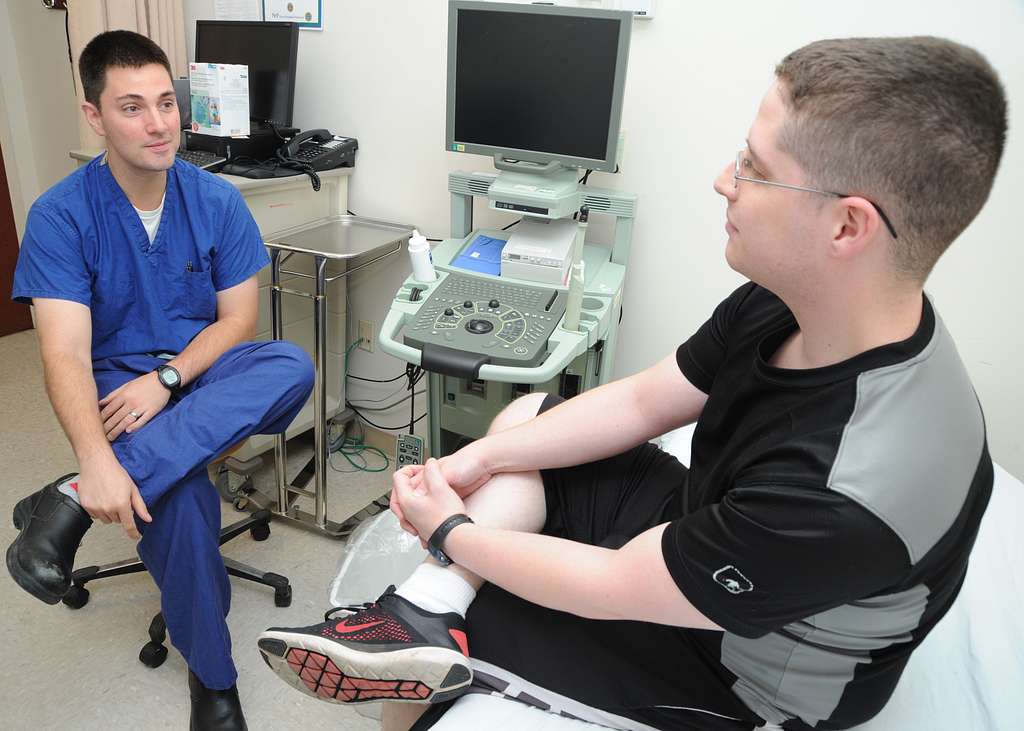
An echocardiogram is a non-invasive ultrasound test. It captures real-time images of the heart’s chambers, valves, and blood flow, and cardiologists order it to diagnose conditions such as valve disease, heart failure, and congenital defects. The procedure requires no needles or sedation, which means patients can resume normal activities immediately afterward. Here is more information on echocardiograms and what to expect from the process:

What Is an Echocardiogram?

An echocardiogram is a diagnostic imaging test that uses sound waves to create moving pictures of the heart. A small device called a transducer sends ultrasound waves toward the heart, and those waves bounce back to form images on a monitor. Because echocardiograms do not use radiation, they are safe for repeated use over time, unlike X-ray-based imaging methods. Cardiologists rely on these images to evaluate the heart’s chambers, valves, and major blood vessels. Several types of echocardiograms exist, including transthoracic, transesophageal, and stress echocardiograms.

Why Is It Conducted?

Doctors order echocardiograms to investigate a range of cardiac symptoms and conditions. Reasons include:

  • Chest pain, difficulty breathing, fatigue, or swelling in the legs
  • An irregular heart rhythm detected during a physical exam
  • Monitoring of known heart conditions, tracking changes in heart function over time
  • Signs of heart failure, measured by how efficiently the heart pumps blood

What Does the Process Involve?

Echocardiograms follow a straightforward routine. Patients lie on an exam table while a technician applies gel to the chest, which helps transmit sound waves between the skin and the transducer. The technician then moves the transducer across the chest in different positions to capture multiple angles of the heart, and the gel improves image clarity.

Patients may be asked to change positions so that the technician obtains clearer images. The process is non-invasive. A standard transthoracic echocardiogram involves no needles, incisions, or sedation, and patients remain alert throughout. The procedure typically lasts 40 to 60 minutes, depending on the complexity of the images required.

Some patients undergo a stress echocardiogram, which involves walking on a treadmill or receiving medication that mimics physical exertion. This variation lets cardiologists see how the heart performs under stress. A transesophageal echocardiogram involves a thin probe passed down the throat, and it is more invasive than a standard echocardiogram.

What Happens After?

Once the test concludes, patients can return to normal activities immediately, as there is no recovery period for a standard echocardiogram. A cardiologist reviews the images and generates a report. The timeline for receiving results varies by facility, and patients may discuss findings at a follow-up appointment. At that appointment, the cardiologist explains the results and determines whether additional testing or treatment is necessary.

If the echocardiogram reveals a condition such as valve disease or reduced heart function, the cardiologist will outline the available treatment options. These may include medication, lifestyle modifications, or further monitoring. Since each patient’s condition differs, the recommended course of action will vary, and the cardiologist will tailor the treatment plan accordingly.

Learn More From a Cardiologist

An echocardiogram helps cardiologists assess heart function, and it enables them to diagnose conditions ranging from valve disorders to heart failure. The test requires no needles or recovery time. Patients may return to their day immediately after finishing. If you have an upcoming echocardiogram or questions about heart health, speak with a cardiologist. A cardiologist can explain specific results, recommend next steps, and address any questions about symptoms or test findings.

  • Understanding Challenges in Geriatric Care and How To Address Them
  • How Sclerotherapy Is an Effective Solution for Treating Spider and Varicose Veins
  • Who Benefits From Ankle Replacement Surgery
  • Common Questions To Ask About Cataract Surgery
  • Discovering Unique Omegle Alternatives for Diverse Interactions
October 2, 2026 0 comments
0 FacebookTwitterPinterestEmail
Understanding the Fat Grafting Process for Body Enhancement
Blog

Understanding the Fat Grafting Process for Body Enhancement

by Richard October 2, 2026
written by Richard

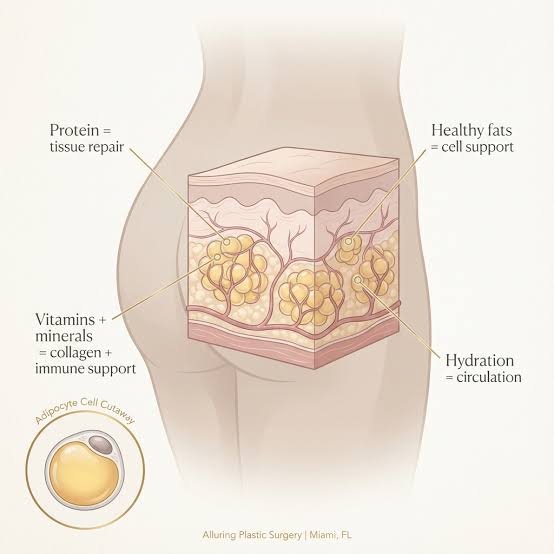
Fat grafting moves fat from one body area to another, and surgeons often use it for breast volume. Some clinics call it fat transfer. Since the fat comes from your own body, the process avoids synthetic implants. This guide walks you through each stage, from anesthesia to the final graft choice.

Administration of General Anesthesia

Fat grafting typically begins with general anesthesia. Before the surgeon makes any incisions, an anesthesiologist or certified nurse anesthetist gives the medication. You will sleep through the procedure, and you will not feel the liposuction or injections. The care team monitors your heart rate, breathing, and oxygen levels throughout.

Before you arrive, your provider reviews your medical history and current medications. You may need to stop certain supplements, and you will likely fast for several hours beforehand. Plan for a responsible adult to drive you home. Your anesthesia provider will answer questions about risks and recovery during this visit.

Fat Removal Using Liposuction

The surgeon removes fat from a donor area, and this area is often the abdomen, thighs, or flanks. Your surgeon picks the donor site after reviewing where your body stores extra fat. In many cases, small incisions limit the size of any scars.

Before suction begins, the surgeon injects a solution into the donor area. The saline is used to loosen the fat, and it is designed to reduce bleeding. This step typically makes the fat easier to remove.

A thin tube called a cannula then removes the fat with gentle suction. The surgeon uses low pressure, and this approach protects the fragile fat cells. After this step, the fat goes into a sterile container so the team can process it. Processing may involve spinning, filtering, or washing the fat to remove fluid and damaged cells.

Reinjection to Breasts

The processed fat is ready for transfer, and the surgeon injects it into the breasts. Sincee fat tissue needs a blood supply to survive, the surgeon places tiny amounts in many layers. This method spreads the fat evenly across the breast tissue. Your body absorbs some of the fat over the next few months, which is a normal part of healing. Steps in this stage include:

  • Marking injection points before surgery
  • Shaping the breast with small, even deposits
  • Checking symmetry between both sides
  • Closing incisions with small sutures or adhesive strips

Choice of Multiple Grafts

If you want more volume than one session provides, your surgeon may suggest multiple grafts. Surgeons typically wait several months between sessions, and this gap lets the first grafts settle. Your surgeon then measures the retained volume at a follow-up visit. Factors that shape this decision include:

  • The desired breast size
  • The amount of donor fat available
  • The amount of fat remaining after the first session
  • The recovery timeline and work schedule

Schedule a Fat Grafting Consultation

Before you book surgery, a consultation helps you understand your options. Your provider can examine your donor areas and breast tissue, and the visit also covers your health history, goals, and recovery plan. Contact a surgery clinic to schedule your fat grafting consultation. When you call, have a list of your current medications ready. 

  • Understanding Challenges in Geriatric Care and How To Address Them
  • How Sclerotherapy Is an Effective Solution for Treating Spider and Varicose Veins
  • Who Benefits From Ankle Replacement Surgery
  • Common Questions To Ask About Cataract Surgery
  • Discovering Unique Omegle Alternatives for Diverse Interactions
October 2, 2026 0 comments
0 FacebookTwitterPinterestEmail
Exploring General Dentist Services Beyond Routine Cleanings
Dentistry

Exploring General Dentist Services Beyond Routine Cleanings

by Richard October 2, 2026
written by Richard

A dentist provides a wide range of services that extend beyond routine cleanings and preventive exams. Depending on a patient’s needs, care may include restorative procedures and support for common dental concerns. Here are some of the services a general dentist provides beyond routine cleanings:

Restoring Damaged Teeth

Teeth wear down daily, and accidents or decay can leave them cracked, chipped, or weakened. A general dentist repairs this damage through fillings, crowns, bonding, and other restorative treatments. Fillings rebuild teeth affected by small cavities, while crowns cover and strengthen teeth that have lost significant structure. These procedures restore both function and appearance, so you can chew and speak with comfort.

Treating Dental Problems

Minor issues often worsen into larger ones when left unchecked. A general dentist identifies and treats a wide range of everyday concerns, and early action keeps small problems from spreading. Here are some dental problems your dentist commonly addresses:

  • Cavities: The dentist removes decay and fills the space to stop it from deepening.
  • Gum irritation: Treatment targets early inflammation before it affects the tissue that supports your teeth.
  • Tooth sensitivity: The dentist identifies the cause and applies solutions that reduce discomfort from hot or cold items.
  • Toothaches: An exam can locate the source of pain, and the dentist recommends the right repair or follow-up.
  • Worn or ground teeth: Custom guards and other options help protect surfaces from further wear.

Protecting Oral Health

Prevention is a key component of dependable dental care. A general dentist monitors your mouth over time, and this ongoing view helps detect changes before they become serious. Regular exams include checks for decay, gum concerns, and changes in your bite, so you receive guidance tailored to your needs. The dentist also teaches practical habits for brushing, flossing, and diet that support your daily routine. This consistent oversight gives families a reliable way to prevent dental problems.

Coordinating Dental Care

Some situations require specialized attention or urgent response. A general dentist serves as the hub of your care, which makes managing treatment simpler. When a concern falls outside routine services, your dentist arranges the next step and keeps your records consistent.

Managing Dental Emergencies

Dental emergencies rarely occur at convenient times, and quick action matters. A dentist handles urgent cases such as knocked-out teeth, sudden pain, and broken restorations. The provider assesses the situation, delivers immediate care, and advises on any follow-up you may need.

Coordinating Specialist Referrals

Certain treatments require expertise beyond general practice. A dentist recognizes when a case calls for an orthodontist, oral surgeon, or other specialist, and the referral keeps your care on track. The dentist shares your history with the specialist to make your treatment consistent. 

Visit a General Dentist Today

A dentist offers services that extend beyond routine cleanings. Their role covers restoring damaged teeth, treating common problems, protecting long-term oral health, and coordinating broader care. These services give individuals and families a dependable resource for nearly every dental need. Contact a qualified general dentist near you to schedule your appointment today.

  • Understanding Challenges in Geriatric Care and How To Address Them
  • How Sclerotherapy Is an Effective Solution for Treating Spider and Varicose Veins
  • Who Benefits From Ankle Replacement Surgery
  • Common Questions To Ask About Cataract Surgery
  • Discovering Unique Omegle Alternatives for Diverse Interactions

October 2, 2026 0 comments
0 FacebookTwitterPinterestEmail
How To Assess the Best Obstetrics Care Providers
Gynecology

How To Assess the Best Obstetrics Care Providers

by Richard October 2, 2026
written by Richard

The best obstetrics providers offer a comprehensive range of services. While communication style matters, patients should also assess a provider’s approach to prenatal screening, as these elements influence care outcomes. Credentials matter, and so does accessibility. Key areas of obstetric care include prenatal monitoring, management of pregnancy-related conditions such as gestational diabetes or preeclampsia, labor and delivery support, and postpartum care. Here is more information on how to assess an obstetrics provider:

What Is the Best Obstetrics?

The best obstetrics care centers on a provider’s clinical expertise paired with a patient’s specific needs. While some patients may prioritize providers who support natural birth plans, others seek specialists experienced in high-risk pregnancies, and these differences highlight the value of aligning care with individual circumstances. When patients consult an obstetrician, they can determine what care the provider offers and how those services meet their needs. 

What Does Obstetric Care Involve?

Because obstetric care addresses different stages of pregnancy and childbirth, it spans three distinct phases: prenatal, delivery, and postpartum care. During the prenatal phase, providers monitor fetal development through regular checkups, bloodwork, and ultrasounds; these visits allow providers to identify potential complications early. Gestational diabetes and preeclampsia are two conditions that can be detected and managed before they progress.

The delivery phase involves direct medical supervision during labor. Providers oversee pain management options and administer emergency interventions if complications arise, which helps the patient and fetus receive appropriate clinical attention. Postpartum care addresses physical recovery in the weeks following birth, and patients should confirm that a provider manages care consistently across all three stages.

What Services Do Obstetricians Offer?

Obstetricians offer a defined range of services that extend beyond delivery day. These typically include the following:

  • Routine prenatal checkups
  • Diagnostic testing
  • Labor and delivery management
  • Postpartum checkups
  • Family planning counseling

How an obstetrician delivers these services influences overall health outcomes during and after pregnancy.

How Are Providers Assessed?

Assessing an obstetrics provider begins with credentials and clinical history, which form the foundation of an informed decision. Patients can confirm training and experience on a provider’s website. A provider’s delivery volume or cesarean section rate can offer additional insight into practice patterns, and it will help a patient know what to expect.

Communication style matters, and patients should evaluate how clearly a provider explains procedures. A provider who answers questions directly and responds promptly to issues builds rapport, which supports a smoother pregnancy experience. Patients may also ask about after-hours availability. Credential checks give patients a well-rounded view of a provider’s overall quality.

Schedule a Consultation Today

Choosing an obstetrics provider involves reviewing the services they offer and their training and experience in managing pregnancies. Patients benefit from reviewing credentials, understanding the full scope of services offered, and assessing how well a provider communicates throughout pregnancy; each factor contributes to a care experience that supports overall health. If you are evaluating your options, schedule a consultation with an obstetrician to discuss your specific needs. This conversation helps evaluate compatibility before committing to months of ongoing care.

  • Understanding Challenges in Geriatric Care and How To Address Them
  • How Sclerotherapy Is an Effective Solution for Treating Spider and Varicose Veins
  • Who Benefits From Ankle Replacement Surgery
  • Common Questions To Ask About Cataract Surgery
  • Discovering Unique Omegle Alternatives for Diverse Interactions

October 2, 2026 0 comments
0 FacebookTwitterPinterestEmail
Choosing the Right Dentist for Cosmetic Procedures
Dentistry

Choosing the Right Dentist for Cosmetic Procedures

by Richard October 2, 2026
written by Richard

A dentist experienced in cosmetic procedures can improve your teeth’s appearance while also evaluating overall oral health and function. Choosing the right provider may involve reviewing qualifications and the approach used to plan care. Here is more information on choosing the right dentist for cosmetic procedures:

Check Cosmetic Experience

A dentist’s cosmetic experience gives you a clear sense of their skill with appearance-focused treatments. Ask how long the dentist has offered cosmetic services, and request examples of past work when available. Before-and-after photos show real outcomes, so reviewing them helps you measure whether a dentist delivers the natural-looking results you want. A practice that regularly performs cosmetic procedures often stays current with modern techniques, and that familiarity can benefit your treatment.

Review Treatment Options

A strong cosmetic dentist offers several treatment approaches, and the range of options tells you how flexible the practice is. Some concerns require simple fixes, while others need more involved work, so variety matters. Ask which treatments the dentist provides, and make sure the options align with your specific goals. The following are common cosmetic treatments you may encounter:

  • Teeth whitening: A professional process that lightens stains and discoloration for a brighter smile.
  • Veneers: Thin custom shells that cover the front of teeth to adjust shape, color, or spacing.
  • Crowns: Caps that restore the shape and look of damaged or worn teeth.
  • Smile makeover: A comprehensive approach combining multiple treatments to enhance the overall appearance of your smile.

Assess Treatment Planning

Treatment planning reveals how a dentist approaches your care. A thoughtful plan maps out each step, and it accounts for your preferences and timeline. Treatment plans often include the following key parts.

Thorough Oral Evaluation

A comprehensive oral health evaluation is the foundation of effective dental care. This process generally includes a detailed examination of your teeth, gums, and overall oral cavity to identify any existing or potential issues. The dentist may use diagnostic tools, such as X-rays or intraoral cameras, to better understand your oral health.

Personalized Treatment Recommendations

Following the oral health evaluation, the dentist will provide tailored cosmetic treatment recommendations based on the specific needs identified during the examination. These may include veneers, teeth whitening, or dental crowns. The goal is to address your immediate concerns effectively while also supporting long-term oral health outcomes.

Evaluate Communication and Care

Communication affects how comfortable you feel throughout your treatment. A good dentist listens to your questions, explains procedures in plain language, and respects your concerns. You want a practice that values comfort, and details like a calm environment or modern equipment can make visits easier. Care extends beyond the procedure itself, so pay attention to how the team treats you before and after your visit. Friendly staff, clear follow-up instructions, and prompt responses all point to a practice that prioritizes patients.

Visit a Local Dentist Today

Choosing the right dentist involves reviewing factors such as the dentist’s qualifications, the range of services offered, and the quality of patient care. Practices that combine professional expertise with a focus on comfort and clear communication create an environment where patients are supported. Contact a qualified dentist in your locality to schedule your appointment today.

  • Understanding Challenges in Geriatric Care and How To Address Them
  • How Sclerotherapy Is an Effective Solution for Treating Spider and Varicose Veins
  • Who Benefits From Ankle Replacement Surgery
  • Common Questions To Ask About Cataract Surgery
  • Discovering Unique Omegle Alternatives for Diverse Interactions

October 2, 2026 0 comments
0 FacebookTwitterPinterestEmail
Leveraging Health Coaching for Improved Lifestyle Choices
Blog

Leveraging Health Coaching for Improved Lifestyle Choices

by Richard October 2, 2026
written by Richard

Health coaching is a structured partnership between you and a trained coach focused on daily habits. The coach asks questions and tracks progress over time, and you decide which goals to pursue. Since you lead the process, sessions center on your priorities instead of generic rules from a book. This is how you can leverage this service to help make improved lifestyle changes:

Reaching Weight Goals

Weight change efforts may stall when goals stay vague, such as a plan to “eat better.” Health coaching helps you set measurable targets, and you review those targets at each session. In many cases, specific actions are easier to track and adjust over several weeks. Measurable weight-related goals include the following:

  • Walk for 20 minutes after dinner, five days a week
  • Add one serving of vegetables to lunch each day
  • Replace one sugary drink per day with water or unsweetened tea
  • Log your meals in an app for two full weeks

Making Sustainable Lifestyle Changes

Large lifestyle overhauls typically fade within a short period. Strict diets might end after a few weeks, and old habits tend to return. To counter this, a coach may suggest changing one behavior at a time. This approach keeps your daily workload realistic and gives each change time to settle.

You might start with a consistent bedtime, or you might plan your meals every Sunday afternoon. Each new habit gets several weeks of steady practice. After a habit feels routine, you and your coach choose the next one to build. Missed days become useful information for adjusting the plan at your next session.

Finding Support

Many people try to change their habits alone, but they may lack a clear plan or outside feedback. A health coach helps you identify which routines affect your energy, sleep, and eating patterns. Sessions may take place every few weeks, which is determined by your trainer. 

When you first meet with a coach, you review your current routines in detail. The coach listens and asks open-ended questions about your typical day. You describe your work schedule, meals, and sleep, and the coach notes recurring patterns. Together, you pick one or two specific areas to address during the first month.

A coach does not replace your doctor, dietitian, or mental health provider. If you have a medical condition, your coach may ask you to share your plan with your provider. Your doctor provides diagnosis and treatment, and your coach focuses on daily behaviors between appointments. This division of roles keeps each professional within their scope.

Building Motivation

When motivation rises and falls, a coach helps you plan ahead for low-energy days. Your personal reasons for change guide this planning. Some people want to keep up with their children, and others want to manage their blood pressure. Typical motivation tools in coaching sessions include these:

  • Writing down your top three reasons for change
  • Tracking habit streaks on a calendar or app
  • Planning a 10-minute backup option for busy days
  • Reviewing wins and obstacles at each session

Schedule Health Coaching Today

Health coaching gives you a structured, step-by-step way to work on daily habits with outside guidance. You choose the goals, and the coach helps you break them into manageable steps. If you want to explore coaching, contact a medical center to book an introductory session with a coach. Schedule your health coaching session today.

  • Understanding Challenges in Geriatric Care and How To Address Them
  • How Sclerotherapy Is an Effective Solution for Treating Spider and Varicose Veins
  • Who Benefits From Ankle Replacement Surgery
  • Common Questions To Ask About Cataract Surgery
  • Discovering Unique Omegle Alternatives for Diverse Interactions
October 2, 2026 0 comments
0 FacebookTwitterPinterestEmail
Urology and Its Role in Supporting Men’s Long Term Health
Blog

Urology and Its Role in Supporting Men’s Long Term Health

by Richard October 2, 2026
written by Richard

Urology plays a significant role in diagnosing, treating, and monitoring conditions that affect the urinary system and male reproductive health. Regular urology care can address concerns such as prostate health and sexual function while supporting early detection of potential issues. Here is a closer look at the role of urology in supporting men’s long-term health:

Monitoring Urinary Health

Your urinary system filters and removes waste, and changes often signal issues worth reviewing. A urologist checks for symptoms such as frequent urination, weak flow, or discomfort, and uses these observations to guide next steps. Regular monitoring helps you track patterns over time, and it gives your urology specialist a baseline for comparison. Reporting changes early gives your care team more options.

Evaluating Prostate Changes

The prostate sits below the bladder and can change in size or function as men grow older. A urology specialist reviews these changes through physical exams and discussions about your symptoms, so you understand what is happening. Tracking the prostate over time helps support informed decisions about your care.

Regular Health Screening

Screening gives your urology specialist a structured way to observe the prostate, and it often starts with a conversation about your history. A specialist may recommend tests based on your age and risk factors, so the plan fits your situation. These checks create a record your care team can revisit, making future comparisons easier.

Effective Symptom Management

Some men notice urinary changes that connect to the prostate, and a urologist can map these symptoms to possible causes. Your urology specialist reviews your daily patterns, suggests adjustments, and explains what each option involves. Treatment plans vary from person to person, and they depend on your symptoms and goals.

Addressing Sexual Health

Urology covers sexual function and fertility, which matter to men seeking specialist care. A urologist evaluates concerns such as changes in sexual performance or difficulty conceiving, and this review often begins with a detailed discussion. Your specialist may examine hormone levels, sperm health, or blood flow, so the assessment reflects your full picture. When you share your goals, your urologist can tailor the plan to match what you hope to achieve.

Supporting Preventive Care

Preventive care helps you protect your health over time, and urology plays a central role in that effort. A urologist works with you to build habits and schedules that fit your life. Consistent follow-up keeps your records current, and it helps your specialist detect changes sooner. Here are some fundamental elements of preventive urology care:

  • Regular check-ins: Scheduled visits let your urologist track changes over time, and they keep your health record up to date.
  • Symptom tracking: Noting changes in urination or sexual function gives your specialist useful details.
  • Lifestyle discussions: Conversations about daily habits help your urologist suggest adjustments that fit your routine.
  • Risk reviews: Looking at family history and personal factors helps your specialist create a plan that matches your needs.
  • Follow-up planning: Clear next steps keep you informed and make sure each appointment builds on the last.

Schedule Your Urology Care Appointment

Effective urology care is built on personalized conversations, thorough risk assessments, and clear follow-up plans. Your specialist can support long-term urinary and reproductive health by addressing lifestyle factors and understanding your individual needs. Contact a qualified urologist near you to schedule your urology care appointment today.

  • Understanding Challenges in Geriatric Care and How To Address Them
  • How Sclerotherapy Is an Effective Solution for Treating Spider and Varicose Veins
  • Who Benefits From Ankle Replacement Surgery
  • Common Questions To Ask About Cataract Surgery
  • Discovering Unique Omegle Alternatives for Diverse Interactions

October 2, 2026 0 comments
0 FacebookTwitterPinterestEmail
Recognizing Signs of Low Energy and Its Impact on Daily Life
Blog

Recognizing Signs of Low Energy and Its Impact on Daily Life

by Richard October 1, 2026
written by Richard

Low energy may affect daily routines and overall well-being. Peptide therapy includes several treatment options, and certain peptides address areas such as energy, sleep, or cognitive function. Because peptide therapies serve different purposes, a provider can evaluate individual needs and discuss available treatment options. Here is more information about recognizing signs of low energy and its impact on daily life: 

Spotting Physical Fatigue Signs

Physical fatigue may appear as persistent tiredness or reduced energy during daily activities. Some people feel tired after sleeping, while routine movement or exercise can require more effort than usual. Because fatigue has several possible causes, tracking sleep and energy patterns provides useful information for a healthcare evaluation.

Sleep patterns and hormonal changes can also relate to energy levels. Low testosterone is one hormonal concern, and testosterone replacement therapy addresses diagnosed testosterone deficiency. A provider evaluates individual symptoms and hormone levels before discussing whether treatment fits the patient’s needs.

Noticing Mental Fog Symptoms

Mental fog may involve difficulty concentrating, forgetfulness, or slower thinking. Some people notice changes during work or conversations, while others experience difficulty completing tasks that require sustained attention. These cognitive changes can occur alongside low energy or fatigue.

Several factors might contribute to changes in concentration and energy. Hormonal balance is one area providers can evaluate, and peptide therapy represents another treatment approach offered for certain wellness concerns. Because symptoms vary between individuals, an evaluation provides information about possible contributing factors.

Sermorelin stimulates the body’s natural production of human growth hormone. CJC-1295 with Ipamorelin may also be included within individualized peptide therapy plans, depending on the patient’s goals. A provider reviews symptoms and health information before discussing available peptide options.

Observing Mood and Motivation Shifts

Low energy may occur alongside changes in mood or motivation. Some people notice less interest in usual activities, while others experience irritability or difficulty beginning everyday tasks. Because these changes can accompany fatigue, tracking emotional and physical patterns provides useful information during a healthcare evaluation.

Mood and motivation changes vary between individuals, and several signs might occur together. Patterns to discuss with a healthcare provider include:

  • Losing interest in hobbies or social activities
  • Feeling unusually irritable or impatient
  • Struggling to begin familiar daily tasks
  • Feeling emotionally disconnected from everyday routines

A provider can review these concerns alongside other symptoms when discussing possible contributing factors and available approaches.

Tracking Sleep and Energy Patterns

Sleep patterns may influence how a person feels throughout the day. Some people experience interrupted sleep, while others have difficulty falling asleep despite feeling tired. Because sleep and energy patterns vary, tracking bedtime, wake time, and morning fatigue can provide useful information.

A sleep log provides a record of changes over time. Peptide therapies include options such as BPC-157 and TB-500, and providers select treatments according to individual wellness goals. When sleep concerns occur alongside lower energy, a provider might review both patterns during an evaluation.

Understanding Low Energy’s Daily Toll

Low energy may affect several areas of daily life. Concentration and stamina can change throughout the day, while work, exercise, and social activities might require additional effort. Because fatigue affects people differently, tracking changes in routines provides useful information for discussing persistent lower energy with a healthcare provider.

Schedule a Wellness Check Today

Low energy may affect physical stamina, mood, sleep, and concentration. Hormone optimization and peptide therapy provide different approaches, while treatment options depend on individual symptoms and wellness goals. Because persistent fatigue has several possible causes, a provider can review health information and discuss available options. Schedule a wellness consultation today to discuss low energy and personalized treatment approaches.

  • Understanding Challenges in Geriatric Care and How To Address Them
  • How Sclerotherapy Is an Effective Solution for Treating Spider and Varicose Veins
  • Who Benefits From Ankle Replacement Surgery
  • Common Questions To Ask About Cataract Surgery
  • Discovering Unique Omegle Alternatives for Diverse Interactions

October 1, 2026 0 comments
0 FacebookTwitterPinterestEmail
The Impact of DEXA Scans on Preventative Health Strategies
Blog

The Impact of DEXA Scans on Preventative Health Strategies

by Richard October 1, 2026
written by Richard

Bone density changes gradually over time, and those changes may not be visible from the outside. A DEXA scan is one of the most widely used imaging tests for measuring bone mineral density. Understanding how the scan works, as well as why a provider may order it, can help patients approach the process with clarity.

What Is a DEXA Scan?

DEXA stands for dual-energy X-ray absorptiometry; some providers also refer to it as a DXA scan or a bone densitometry test. The scan uses two X-ray beams set at different energy levels. Bone and soft tissue absorb these beams in different amounts, which allows the equipment to separate the two and calculate the mineral content of the bone being measured.

The amount of radiation used during a DEXA scan is low. The equipment differs from a standard X-ray machine, such as in its design and its purpose. A traditional X-ray produces an image that shows the shape and structure of bones; a DEXA scan produces numerical data that describes how dense the bone is in specific areas. Many scans focus on the lower spine and the hip.

What Is It Used For?

Health care providers use DEXA scans for several purposes, but the most common is measuring bone mineral density. This measurement can help a physician evaluate whether a patient’s bones are within an expected range or whether they show signs of thinning. A provider may recommend a DEXA scan for a variety of reasons, including:

  • Age-related Screening: Medical guidelines often suggest bone density testing for women and men once they reach certain ages.
  • Personal or Family History: A history of fractures, or a family history of bone conditions, may prompt a provider to request testing.
  • Existing Health Conditions: Some hormonal conditions can affect how the body maintains bone.
  • Monitoring Over Time: Patients who are already under care for low bone density may undergo repeat scans so their providers are able to track changes.

The results of a DEXA scan are one part of a broader evaluation. A physician typically reviews the findings alongside a patient’s medical history, lifestyle factors, and other test results before discussing any next steps.

What Should You Expect?

Preparing for a DEXA scan is straightforward. Many facilities will ask you to stop taking calcium supplements at least 24 hours before your appointment. You’ll also want to wear clothing without metal parts, but you may be asked to change into a gown regardless. If you’ve recently had a barium study or received contrast material for another test, let the facility know ahead of time.

During the appointment, you’ll lie on a table while the technologist positions you for each measurement. For a spine scan, your legs may be placed on a block to help flatten the lower back; for a hip scan, a brace is used to rotate your foot slightly inward. Both adjustments are simple.

A mechanical arm then passes slowly over the body while the equipment collects data. The process involves no needles or injections, and the machine does not enclose the body. The entire appointment usually takes between 10 and 30 minutes, depending on how many areas are scanned. After the scan, most patients may resume their normal activities right away.

Confer With an Imaging Expert

DEXA results are useful when they can be compared accurately over time. For this reason, follow-up scans may be performed on the same machine or the same type of equipment used for the original test. An imaging specialist is able to explain how the scan is performed, and they can describe the information the report contains.

  • Understanding Challenges in Geriatric Care and How To Address Them
  • How Sclerotherapy Is an Effective Solution for Treating Spider and Varicose Veins
  • Who Benefits From Ankle Replacement Surgery
  • Common Questions To Ask About Cataract Surgery
  • Discovering Unique Omegle Alternatives for Diverse Interactions

October 1, 2026 0 comments
0 FacebookTwitterPinterestEmail
How to Differentiate Between Toothache and Sinus Pain
Dentistry

How to Differentiate Between Toothache and Sinus Pain

by Richard October 1, 2026
written by Richard

Toothache and sinus pressure can feel almost identical. Both affect your upper jaw, and both can throb near the same teeth. You may struggle to find the source, but knowing a few key differences helps you respond correctly. Use the guidance below to narrow down the cause before you seek care.

Location of the Pain

Toothache often centers on one specific tooth. You can usually point to the exact spot that hurts. Sinus pain spreads across your upper teeth, and it may affect both sides at once. A simple test can help you narrow it down. Gently press your cheeks and see what happens. If the pain sharpens under one tooth, a dental cause is more likely. If it spreads across your face, your sinuses may be the source. Use the key differences below to help you identify the source of your pain. Signs the pain may be dental:

  • Pain is focused on one specific tooth.
  • The area around the tooth is tender to the touch.
  • Pain at the gum line may point to a different issue than pain deep within the tooth.
  • Pressing on a specific tooth sharpens the discomfort.

Signs the pain may be sinus-related:

  • Pain spreads across multiple upper teeth, often on both sides.
  • Discomfort can diffuse and shift when you move your head.
  • Pressure extends across your cheekbones and the bridge of your nose.
  • Pain does not isolate to a single point.

Triggers of the Discomfort

Temperature changes often reveal the cause. A tooth problem reacts sharply to hot or cold food, and the pain often lingers after the source is gone. Sinus pain changes when you bend over or lie down and worsens with congestion or a cold. If chewing triggers sharp pain, the source is likely a tooth. If pressure builds when you tilt forward, your sinuses are the probable culprit. Physical activity can also help you tell the difference. Dental pain stays consistent during movement but flares with direct stimulation. A cracked tooth or infected root canal will not respond to sinus medication at all. If cold water or sweet foods cause sharp pain, a dental source is likely. Tracking what sets off the pain gives you a reliable clue about where it begins.

Symptoms Alongside the Pain

Extra symptoms often confirm the difference. Sinus pain usually comes with nasal congestion. You may notice a runny nose, facial pressure, or a reduced sense of smell, so note what you experience. These signs rarely accompany a toothache, so they point toward a sinus origin. A dental problem has its own markers. These physical signs do not appear with sinus problems, so they are useful clues. 

Watch for fever, bad taste, or drainage, because these can mean infection that needs prompt attention. Pay attention to whether your pain responds to over-the-counter pain relievers. Dental pain from an infected root canal often persists despite medication, so sinus discomfort will ease for a short time. When several dental symptoms appear together, the source is likely your tooth and not your sinuses.

Treat Your Toothache Today

Self-assessment helps, but a professional exam confirms the cause. A dentist reviews your symptoms and history, then examines the affected area. Digital X-rays reveal hidden damage, and tools show structures a basic exam cannot. These screenings help pinpoint whether the problem is dental or sinus-related. They guide the next steps. If an infection is found, options may include root canal treatment to save the affected tooth.

  • Understanding Challenges in Geriatric Care and How To Address Them
  • How Sclerotherapy Is an Effective Solution for Treating Spider and Varicose Veins
  • Who Benefits From Ankle Replacement Surgery
  • Common Questions To Ask About Cataract Surgery
  • Discovering Unique Omegle Alternatives for Diverse Interactions

October 1, 2026 0 comments
0 FacebookTwitterPinterestEmail
Newer Posts
Older Posts

Recent Posts

  • Understanding Challenges in Geriatric Care and How To Address Them
  • How Sclerotherapy Is an Effective Solution for Treating Spider and Varicose Veins
  • Who Benefits From Ankle Replacement Surgery
  • Common Questions To Ask About Cataract Surgery
  • Discovering Unique Omegle Alternatives for Diverse Interactions

Recent Comments

No comments to show.

Keep in touch

Facebook Twitter Instagram Pinterest Linkedin Youtube

Recent Posts

  • Understanding Challenges in Geriatric Care and How To Address Them

  • How Sclerotherapy Is an Effective Solution for Treating Spider and Varicose Veins

  • Who Benefits From Ankle Replacement Surgery

  • Common Questions To Ask About Cataract Surgery

  • Discovering Unique Omegle Alternatives for Diverse Interactions

  • Exploring the Benefits of Plastic Surgery

Newsletter

Categories

  • Allergy & Immunology (3)
  • Blog (78)
  • Cardiology (4)
  • Chiropractic Care (1)
  • Dentistry (14)
  • Elderly Care (2)
  • ENT (1)
  • Gynecology (9)
  • Ophthalmology (2)
  • Pain Management (5)
  • Pediatric Care (1)
  • Physical Therapy (2)
  • Podiatry (10)
  • Primary Care (2)
  • Sexual Health (1)
  • Sleep Health (1)
  • Urgent Care (2)
  • Urology (3)
  • Weight Management (1)
  • Women's Health (3)
Gizmocrunch.com
  • Gizmocrunch.com
  • About Us
  • Privacy Policy
  • Contact Us
Ryantylerofficial91@gmail.com
  • Categories
    • Cardiology
    • Dentistry
    • Elderly Care
    • Gynecology
    • Urology
    • Blog HOT
    • Podiatry hot
Editors' Picks
Understanding Challenges in Geriatric Care and How To Address...
How Sclerotherapy Is an Effective Solution for Treating Spider...

@2026 – All Right Reserved. Gizmocrunchs.com

Facebook-f Twitter Youtube Tiktok Linkedin-in
gizmocrunchs.com
  • Cardiology
  • Dentistry
  • Elderly Care
gizmocrunchs.com
  • Gynecology
  • Urology
  • Blog
    • Pain Management
    • Podiatry
    • Nutrition
    • Women’s Health
    • Internal Medicine
    • Primary Care