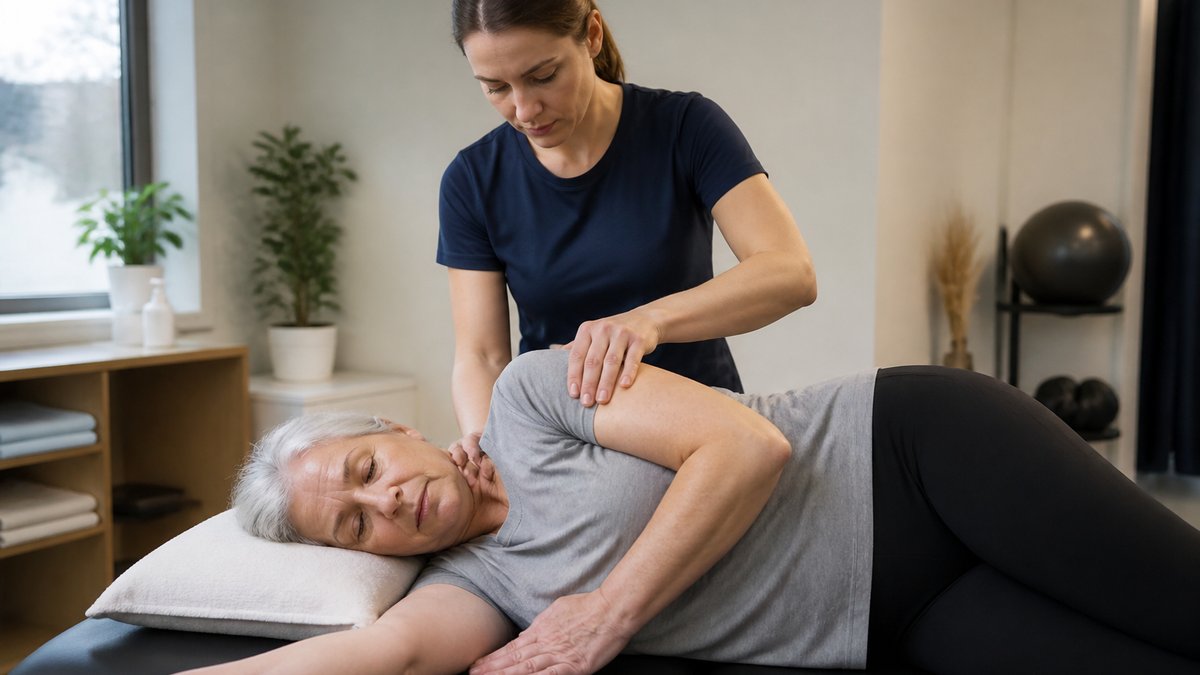
Back pain affects many adults at some point and can interfere with work and sleep. The spine, muscles, and joints in the back support body weight throughout the day, and repeated stress sometimes leads to irritation or injury. Some causes relate to how a person moves, while others involve gradual changes inside the spine. Understanding frequent triggers can help adults describe symptoms clearly during a medical visit and notice patterns that influence their comfort. Here are several possible causes of back pain:
Poor Daily Posture
Posture while sitting, standing, and driving affects how much pressure the spine endures, and small habits can add up over time. Long hours at a desk or on a mobile device place extra strain on the neck and lower spine, which sometimes leads to stiffness or aching. Poor posture causes back pain and headaches in some people. Simple adjustments, such as raising screens to eye level or using a chair that supports the natural curve of the lower back, may help reduce unnecessary stress on spinal structures.
Repetitive Physical Strain
Repeated lifting or bending uses muscles, ligaments, and spinal discs continuously, gradually affecting comfort. Adults who work in warehouses or healthcare often perform the same motions throughout the day, and this sometimes overloads specific areas of the back. When tissues don’t have enough time to recover between activities, small strains accumulate and can lead to pain or limited movement. Paying attention to body mechanics and pacing tasks supports long-term back health. Additional tips may include:
- Lift with the legs instead of the back, and keep objects close to the body to reduce leverage on the spine.
- Break up repetitive tasks with short movement breaks, and alternate between bending, reaching, and walking when possible.
- Use carts, dollies, or lifting aids for heavier loads, and ask for help when an object feels awkward to move alone.
- Warm up with gentle stretches before physically demanding work, and cool down afterward to support muscle recovery.
Age-Related Spinal Changes
As adults grow older, spinal structures experience natural wear, and these changes can lead to back pain or stiffness. Spinal discs lose some of their flexibility over time. Joints in the spine may develop more friction during movement, so certain positions feel less comfortable. Long walks, standing in line, or household chores sometimes trigger symptoms, while rest or gentle stretching offers partial relief. Because these changes progress gradually, adults may adapt their activities without realizing how much the spine has shifted. They then seek evaluation when discomfort begins to interfere with regular tasks.
Medical evaluation helps distinguish routine age-related changes from issues that require targeted treatment, supporting appropriate planning. A clinician may review posture, activity level, previous injuries, and current symptoms, and they sometimes recommend imaging to examine the spine in more detail. Personalized care focuses on the specific source of pain rather than a single one-size-fits-all approach. When adults understand which spinal structures are involved, they can be better prepared to discuss strategies that protect back function.
Find Treatment for Back Pain
Back pain that lingers, returns frequently, or spreads requires a professional evaluation, especially when it affects daily tasks. Even when discomfort is mild, talking with a spine-focused provider can clarify which activities support healing. Professionals also offer treatments such as nerve-blocking injections and spinal cord stimulation. Early guidance may reduce future strain on the spine, and it supports safer movement during work, exercise, and household responsibilities. Contact a back pain specialist today to learn more.
- The Role of Testosterone Replacement in Treating Erectile Dysfunction
- The Long-term Benefits of Root Canal Therapy for Your Smile
- Identifying and Treating Common Warts
- Utilizing Telehealth for Accessible Chiropractic Consultations
- The Role of a Dermatologist in Managing Chronic Skin Conditions

