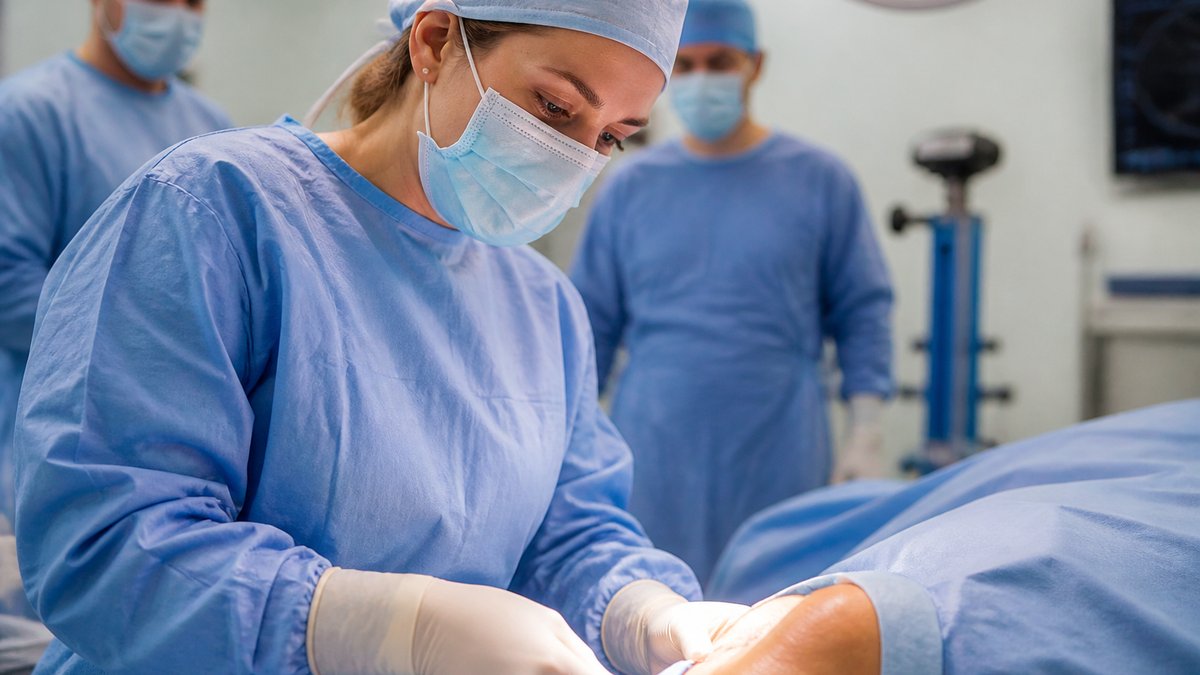
Sports injuries affect athletes at every level, and medical guidance can prevent them from becoming long-term problems. An orthopedic surgeon can assess the injury, explain nonsurgical and surgical options, and work with the rehabilitation team to monitor recovery. Here is a closer look at the role of an orthopedic surgeon in sports injury management.
Assessing the Injury
Accurate assessment starts with a detailed history, and it continues with a physical examination. The orthopedic surgeon asks how the injury happened and reviews prior issues that can influence recovery. They examine swelling, range of motion, and stability, and they compare the injured limb with the uninjured side. Imaging refines the diagnosis by clarifying which structures are involved. X-rays show fractures and alignment changes, while MRI studies highlight soft-tissue damage. Ultrasound sometimes helps evaluate tendons or ligaments and provides dynamic information during movement.
Choosing a Treatment Plan
Athletes often ask about timelines; the orthopedic surgeon reviews them against tissue healing needs. Some injuries respond well to rest, bracing, and structured therapy, and others require surgical repair to restore stability. The plan depends on injury type, sport demands, and general health. It can change as healing progresses.
Non-surgical care can address some sports injuries and support a gradual return to activity. Treatment may include activity modification, targeted exercises, and medication for pain or inflammation. Braces or supports guide joint motion during early phases, and they protect healing structures from overload. The surgeon recommends surgery when structure or function does not improve with conservative care. The surgeon explains the procedure and outlines the expected phases of rehabilitation after surgery.
Setting Rehabilitation Milestones
Rehabilitation follows a phased approach, and each stage has clear goals tied to healing phases. Early on, the focus is pain control and swelling reduction, with gentle motion to prevent stiffness without stressing repairs. Strength and endurance are introduced later, and exercises progress as tissues tolerate higher loads. Here are some key components of the rehabilitation phase:
- Pain and Swelling Control: Early milestones track reduced pain at rest and during daily tasks.
- Range of Motion: Measurable gains in joint motion show that stiffness is decreasing.
- Strength: Targeted testing confirms that key muscle groups are regaining function.
- Sport-Specific Skills: Drills mimic game demands and highlight remaining deficits.
Assessing Readiness To Compete
Return-to-play decisions require the absence of pain, and orthopedic surgeons also use defined safety criteria. Strength levels need to match or approach the uninjured side, and movement patterns must remain stable under fatigue. Functional tests replicate cutting, jumping, or throwing, and they expose any lingering weaknesses.
Readiness for Physical Demands
Physical readiness involves joint stability, strength, and neuromuscular control under sport conditions. The surgeon reviews test results and reviews symmetry between limbs during dynamic tasks. Balance, landing mechanics, and agility drills reveal how the body handles quick changes.
Sport and Season Context
Context also influences timing, and different sports load joints in different ways. Contact sports bring collision forces, and overhead sports repeatedly stress shoulders and elbows. The stage of the season influences decisions, and off-season returns may allow more gradual progression. Shared planning with coaches aligns health priorities with team needs.
Visit an Orthopedic Surgeon Today
Sports injuries need structured evaluation from a specialist who understands anatomy and athletic demands. An orthopedic surgeon diagnoses the injury and outlines treatment options, and they also track rehabilitation progress with clear milestones. Contact a qualified orthopedic surgeon near you to schedule your appointment today.
- The Role of Testosterone Replacement in Treating Erectile Dysfunction
- The Long-term Benefits of Root Canal Therapy for Your Smile
- Identifying and Treating Common Warts
- Utilizing Telehealth for Accessible Chiropractic Consultations
- The Role of a Dermatologist in Managing Chronic Skin Conditions

