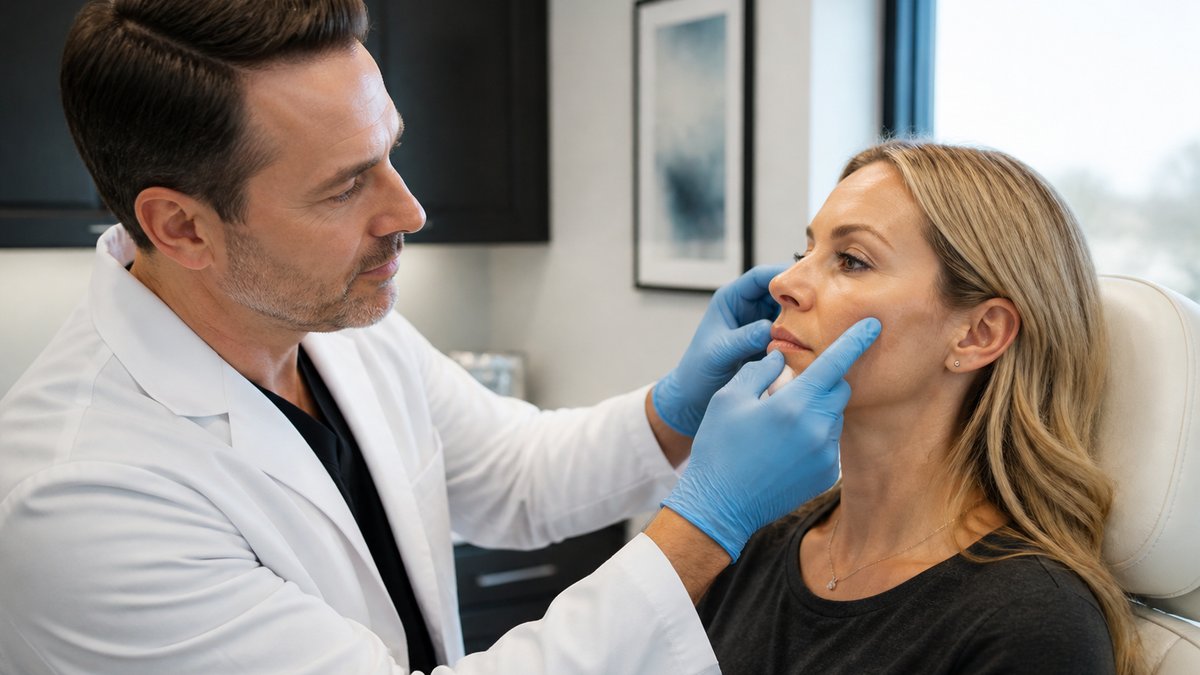
Botox treatment uses a purified substance in very small amounts, and it is delivered through targeted injections. Because the approach is localized rather than full-body, people may seek it out to address specific concerns. Understanding how it works, what it is used for, and what to expect from treatment can help you decide whether it aligns with your goals.
What Is Botox?
Botox is a branded form of botulinum toxin that is formulated for medical use, and it is used in controlled doses by healthcare professionals. The substance affects the communication between nerves and muscles. It limits muscle activity in the treated area for a period of time. When a muscle receives fewer signals to contract, the overlying skin may look smoother. The effect is temporary, so the treated area gradually returns to its previous level of movement after some time passes. A medical provider can evaluate the anatomy of the patient’s face; this evaluation guides where and how much to inject.
What Is It Used For?
People may associate Botox with forehead lines, frown lines, and lines at the outer corners of the eyes. When muscles in these regions move less, the repetitive folding of skin decreases, and the lines can look softer. Botulinum toxin also has established medical applications, and these uses focus on muscle activity rather than appearance. Providers use injections to address muscle tightness or spasms in some cases; they may also use them around the head and neck for certain chronic headache patterns. Each of these uses relies on the same basic effect on nerve signaling, but dosing strategies and treatment intervals can differ.
What Should You Expect?
Before a treatment session, a medical professional may review your health history and your goals, and this helps them assess whether Botox aligns with your situation. They can examine the area you want treated. Based on that assessment, they may outline a plan that includes the number of injection points, the approximate dose, and the spacing between sessions.
During the procedure, the provider usually cleans the skin first. A very fine needle delivers small amounts of the product into targeted muscles. People can experience a quick pinch or mild pressure, and the overall session often finishes within a relatively short time. Some individuals notice small raised areas or redness at the injection sites, but these effects usually settle over a short period.
After treatment, you can receive instructions that address activity level. People typically return to routine daily tasks the same day; providers may advise avoiding certain strenuous activities or pressure on the treated area for a limited time. Results do not appear instantly, and results develop gradually over several days. The outcome is temporary. People who want to maintain a particular look can schedule repeat sessions at intervals suggested by their provider.
Confer With a Medical Professional
Because Botox affects nerve signaling and muscle activity, a direct conversation with a medical professional helps you safely weigh benefits, risks, and alternatives. They may match your goals with the pattern of your facial expressions or other muscle activity. This dialogue also gives space to discuss how often you are willing to return for treatment, and it can clarify how the temporary nature of the effect fits your preferences.
- The Role of Testosterone Replacement in Treating Erectile Dysfunction
- The Long-term Benefits of Root Canal Therapy for Your Smile
- Identifying and Treating Common Warts
- Utilizing Telehealth for Accessible Chiropractic Consultations
- The Role of a Dermatologist in Managing Chronic Skin Conditions