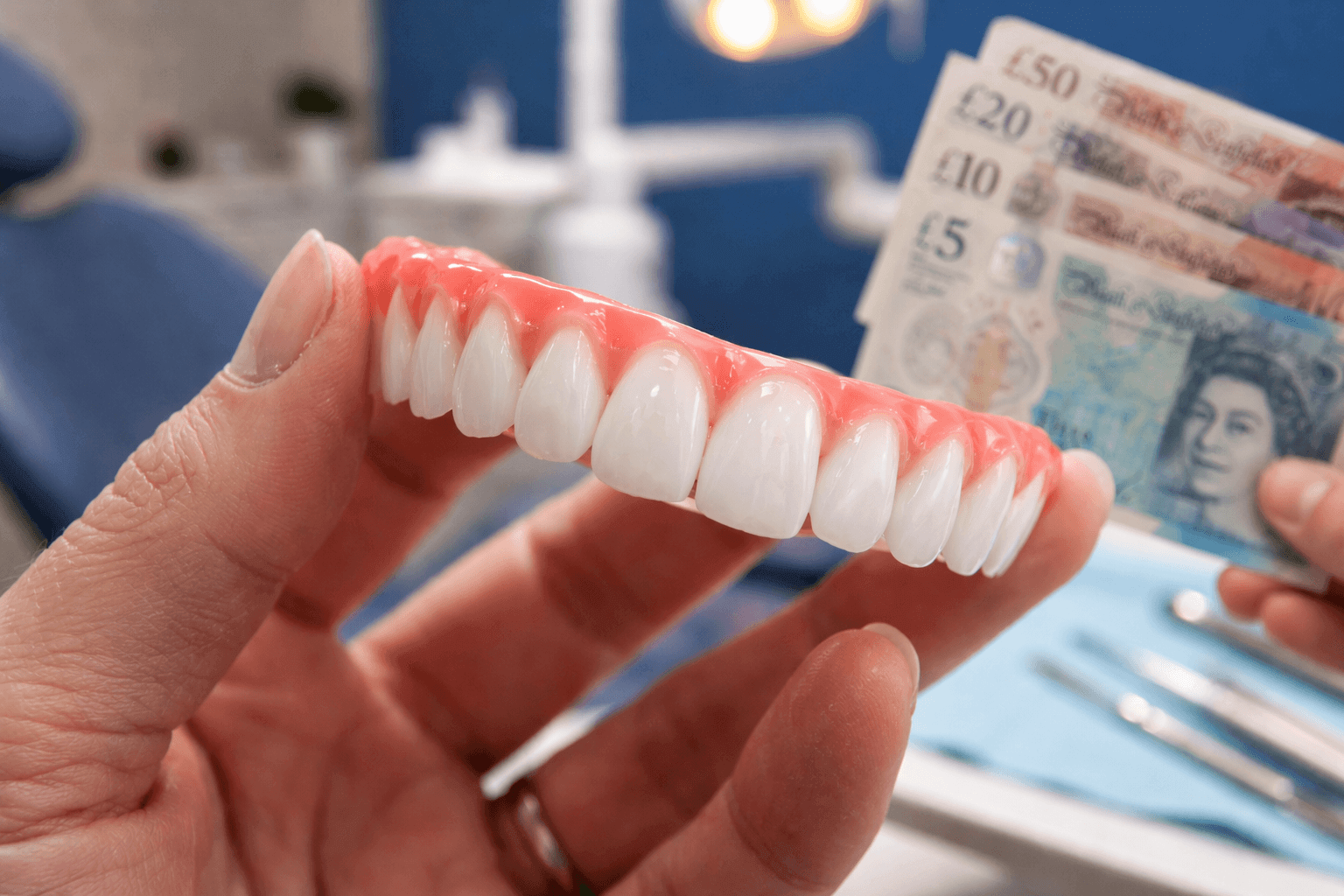
Dental implants replace missing teeth with artificial roots that support a crown, bridge, or denture. Several types of implants exist. Each type works differently, and your provider chooses one based on your jawbone and oral health. Before your provider recommends a type, they review your digital X-rays and check how much bone remains.
Bone-Based Implants Explained
Endosteal dental implants are small titanium posts placed directly into the jawbone; they are the most commonly used implant type and a reliable option for patients with healthy, dense bone.
Placement and Healing Process
If a damaged tooth is still in place, your provider will extract it first and let the site heal before placing the implant. Your provider numbs your mouth with a local anesthetic. Sedation dentistry is available if needed. If bone density is low, your provider may suggest a bone graft beforehand. Most patients return to normal daily activity, and your provider will give you specific aftercare instructions to support healing.
Restoration Attachment and Fitting
Once healing is complete, your provider attaches a small connector called an abutment, which links the post to your restoration. A single post can hold one crown. Several posts can anchor a bridge or a fixed denture for a full arch. Crowns and bridges are secured with dental cement or small screws, depending on the restoration type. In some cases, a temporary crown or bridge is placed while the permanent one is being made. Your provider checks your bite, and they make any needed small adjustments. With regular brushing, flossing, and routine dental visits, your restoration can last many years.
Subperiosteal Implants Options
Providers use digital X-rays and scans to map your jaw, and they design the frame so it fits your bone shape precisely. The fitting process usually takes two appointments, and your provider explains each step before moving forward. At the first appointment, your provider takes detailed scans of your jaw, and a dental lab uses those to fabricate the custom frame. At the second appointment, your provider places the frame directly on the bone under the gum tissue. Your provider numbs the area with a local anesthetic before the procedure, and sedation dentistry is available if you prefer it. Your provider reviews your scans to confirm the frame design fits your anatomy. They check that your gum tissue is healthy enough to support healing.
Zygomatic Implant Options
Because the posts bypass the jawbone, you avoid bone grafting, and treatment could take less time overall. Before placement, your provider takes scans to plan the path of each post. This helps confirm that your cheekbone has enough density to support the implants. The procedure is more involved than standard implant placement, and your provider will walk you through what to expect. Most providers perform this procedure under sedation to keep you comfortable throughout.
Recovery takes time, and your provider gives you specific aftercare instructions to follow during healing. Swelling and mild discomfort are normal shortly after surgery. Your provider will tell you what to watch for, since you need to know the signs. Keeping follow-up appointments matters with zygomatic implants, and your provider uses those visits to monitor healing and check the stability of each post.
Discuss Dental Implants Today
The right implant type depends on your bone, your gums, and the number of missing teeth. A consultation gives your provider the information needed to plan treatment. Your provider takes digital X-rays, and they discuss crowns, bridges, or dentures with you. If you have questions about sedation or extractions, bring them to your visit. Contact your office to schedule your dental implant consultation.
- Understanding Challenges in Geriatric Care and How To Address Them
- How Sclerotherapy Is an Effective Solution for Treating Spider and Varicose Veins
- Who Benefits From Ankle Replacement Surgery
- Common Questions To Ask About Cataract Surgery
- Discovering Unique Omegle Alternatives for Diverse Interactions

