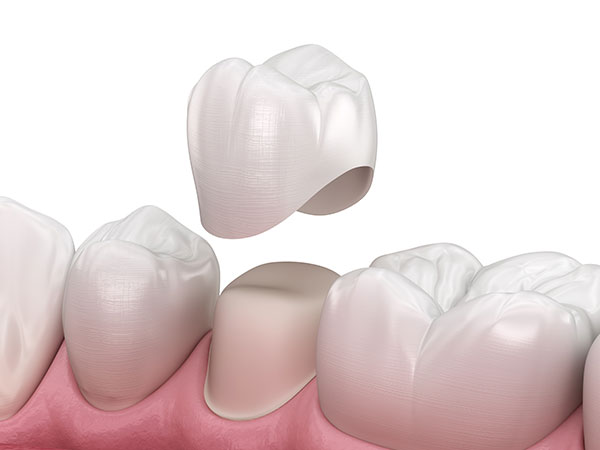
A dental crown is a custom-made cap that fits over a damaged, weakened, or reshaped tooth. It covers the visible portion of the tooth to restore its size and appearance. Dentists use crowns in many situations, from protecting a cracked tooth to completing a dental implant. Because every mouth is different, several types of dental crowns exist, and each one suits specific needs. Here’s information about the various types of dental crowns available and their uses:
Porcelain and Composite Resin Crowns
Porcelain and composite resin dental crowns are popular choices when appearance matters most. Dentists often recommend them for front teeth or other visible areas because these materials can closely match the color of surrounding teeth. This makes them a common option for people who want a natural-looking result. Porcelain crowns are known for their tooth-like shine and smooth texture, while composite resin crowns can be shaped in a single visit. Both materials are metal-free, so they may appeal to people who prefer a metal-free restoration.
Porcelain-fused-to-metal Crowns
Porcelain-fused-to-metal crowns, or PFM crowns, combine two materials to balance appearance and strength; these crowns feature a metal base covered by a layer of tooth-colored porcelain. The metal core provides a sturdy foundation, and the porcelain exterior gives the crown a more natural, tooth-like look. This design lets PFM crowns work well on both front and back teeth. The metal supports the crown against chewing forces, while the porcelain shell blends with nearby teeth.
A thin dark line may become visible near the gum where the metal base meets the porcelain over time. Dentists think about this factor when placing PFM crowns, especially in areas that show when you smile. For many patients, this crown material combination offers a practical middle ground between porcelain looks and metal durability.
Cast Gold and Silver Amalgam Crowns
Gold crowns are made from a blend of gold and other metals, which gives them a distinctive color. Because they resist wear and rarely chip, dentists frequently place them on back teeth that handle heavy chewing. Their metallic appearance makes them less common for front teeth, where a natural look is often preferred. Cast gold and silver amalgam crowns are among the oldest crown types still in use today.
Silver amalgam crowns are also built for strength, but they tend to be more affordable than gold. These metal crowns hold up well against the daily pressure of biting and grinding. Their visible color is the main reason patients choose them for back teeth rather than front teeth. When a dentist recommends a metal crown, the choice usually comes down to durability and the tooth’s position in the mouth.
Choosing the appropriate crown material depends on many factors, including:
- The Tooth’s Location
- The Level of Bite Pressure
- Your Personal Preferences
If you think you may need a crown, a dentist can examine your teeth and explain which materials suit your needs. They can review the condition of the affected tooth, discuss your options, and answer any questions you have about the process.
Learn More About Dental Crowns
Porcelain and composite resin crowns focus on a natural appearance, porcelain-fused-to-metal crowns offer a mix of strength and looks, and cast gold and silver amalgam crowns prioritize durability. Each type has its own place in modern dentistry, and the appropriate fit varies from person to person. The best way to understand which crown material fits your situation is to talk with a dental professional, so schedule a consultation today. A dentist can explain the benefits of each crown type and how their recommended treatment works for your oral health needs.
- Recognizing Signs of Low Energy and Its Impact on Daily Life
- The Impact of DEXA Scans on Preventative Health Strategies
- How to Differentiate Between Toothache and Sinus Pain
- Recognizing the Signs of a Serious Neck Injury
- The Connection Between Flat Feet and Other Foot Problems