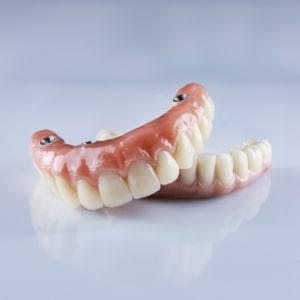
Dentures are custom prosthetics that replace missing teeth, and traditional dentures rest directly on the gums. Their acrylic base is shaped to fit the ridges of your mouth, and suction or a small amount of adhesive holds them in place. Snap-on dentures, also called implant-retained overdentures, attach to dental implants placed in the jawbone. Small connectors on the underside of the denture clip onto these implants for a more secure fit. Both types help you chew, speak clearly, and maintain the appearance of your smile. Here are some tips on how to care for your dentures:
Brush and Clean Them Daily
Dentures collect food particles and plaque throughout the day, much like natural teeth. This is why dental professionals recommend cleaning them at least once daily. To care for them, use a soft-bristled denture brush instead of a standard toothbrush. Regular toothpaste often contains abrasive ingredients that scratch acrylic surfaces; these scratches may allow stains and debris to build up in your prosthetic. Choose a nonabrasive denture paste or a cleanser labeled specifically for dentures.
When cleaning your prosthetic, hold it over a folded towel or a sink filled with water. This precaution reduces the chance of damage if they slip from your hands. Follow these steps for daily cleaning:
- Rinse Them: Remove your dentures and rinse them under lukewarm water to loosen food particles.
- Use a Denture Brush: Apply a denture cleanser to the brush.
- Clean the Prosthetic: Gently brush all surfaces, including the side that rests against your gums.
- Clean the Prosthetic: Clean carefully around any clasps or attachments.
- Rinse Thoroughly: Rinse the dentures thoroughly before wearing or soaking them.
Avoid hot water, as it can warp the base and change the fit of your oral appliance. If you wear snap-on dentures, pay close attention to the attachment housings on the underside. Your dentist can show you how to clean these areas without loosening the components.
Brush and Clean Your Gums
Denture care also includes the tissues that support them, so after removing your appliance, gently brush your gums with a soft-bristled toothbrush. A clean, damp cloth works well if a brush is too firm. Brush your tongue and the roof of your mouth to remove residue. If you still have natural teeth, brush them twice a day with fluoride toothpaste. Clean between them with floss or interdental brushes.
Give extra attention to teeth that hold partial denture clasps. For snap-on dentures, clean around each implant abutment. Your dentist may recommend a specific brush or water flosser designed for implants. Many dentists suggest removing dentures for several hours each day, and overnight is often the most convenient time.
Use Denture-cleansing Solution
Acrylic dentures can lose their shape when they dry out. A dry base may become brittle or warp slightly, which affects fit. For this reason, store your dentures in a moist environment whenever you are not wearing them.
Soak them overnight in a denture-cleansing solution or plain water, as your dentist advises. Cleansing solutions come in tablet, powder, or liquid form. They help loosen stains and residue that brushing may miss. Follow the manufacturer’s instructions for soaking time and water temperature.
Some solutions aren’t suitable for dentures with metal parts, so confirm with your dentist which product suits your denture type before use. Always rinse your dentures with water after soaking. Rinse your appliance thoroughly after using cleansing solutions, as they aren’t meant for your mouth, and leftover residue may taste unpleasant.
Learn More About Dentures
Brushing, cleaning your mouth, and storing dentures in solution take only a few minutes each day. This consistent daily care helps your oral appliance stay clean and fit properly. Regular dental checkups also let your dentist evaluate your dentures’ fit and the condition of your gums and jawbone. When needed, your dentist can adjust, reline, or replace your prosthesis. If you have questions about traditional or snap-on options, contact a dental practice that specializes in these oral prosthetics.
- Understanding Challenges in Geriatric Care and How To Address Them
- How Sclerotherapy Is an Effective Solution for Treating Spider and Varicose Veins
- Who Benefits From Ankle Replacement Surgery
- Common Questions To Ask About Cataract Surgery
- Discovering Unique Omegle Alternatives for Diverse Interactions

