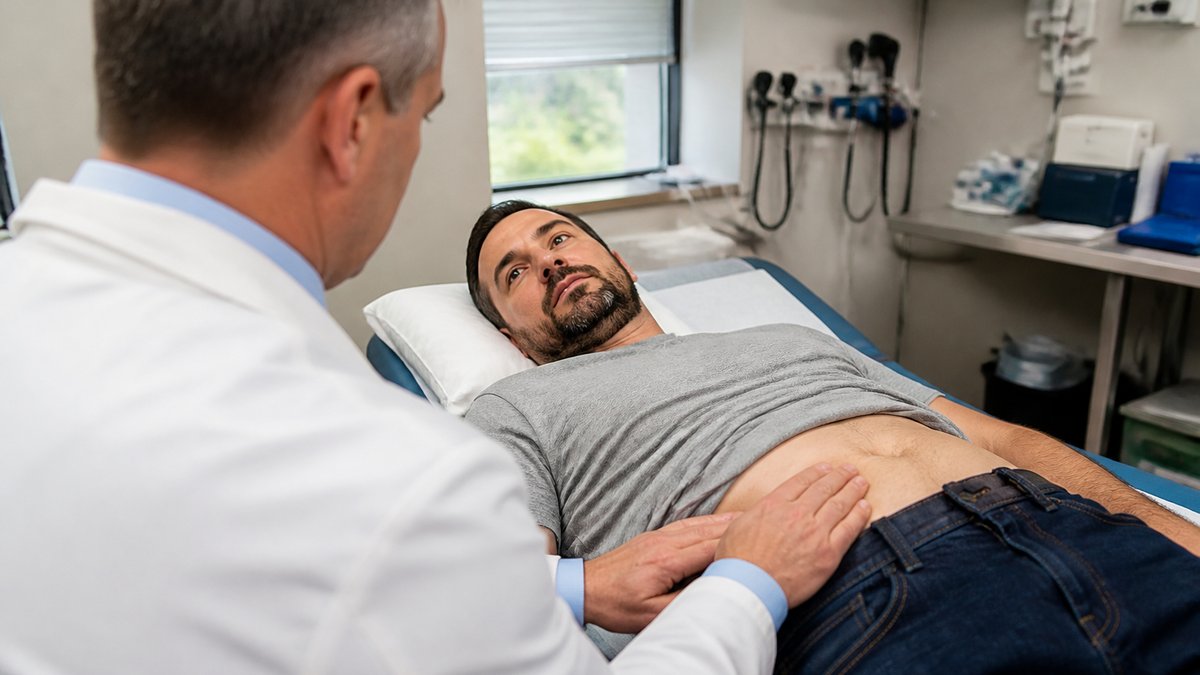
A colonoscopy is an outpatient procedure in which a doctor examines the inside of the colon and rectum. Patients often have questions about preparation, and they may want to understand what happens during the examination. Because proper preparation helps promote clear results, patients should follow their doctor’s instructions before the procedure. Here are some answers to questions about colonoscopy, including what to expect before, during, and after the examination:
What Does a Colonoscopy Involve?
A colonoscope is a thin, flexible tube equipped with a camera and light. It transmits live images to a monitor, which gives the doctor a direct view of the colon’s lining. A gastroenterologist performs the procedure, typically in a hospital, clinic, or outpatient center. The procedure may take 30 to 45 minutes, but you should plan to spend several hours at the facility. This total time includes check-in, preparation, and recovery from anesthesia.
Doctors may recommend colonoscopies for routine screening based on factors such as:
- Being over the age of 45
- Having a family history of colorectal cancer
- Having an inherited disease such as Lynch syndrome
- Having inflammatory bowel disease
They may also order one to investigate symptoms such as changes in bowel habits or rectal bleeding. During an exam, doctors sometimes collect tissue samples called biopsies, or they remove growths known as polyps. A lab then analyzes the samples.
How Should You Prepare?
Preparation, known as bowel prep, clears the colon so the doctor has an unobstructed view. Your care team provides written instructions, and following them precisely is fundamental to a successful exam. These steps may include:
- Eating a low-fiber diet for a few days before the procedure
- Switching to clear liquids, such as broth, water, and plain gelatin, the day before
- Drinking a prescribed laxative solution on a set schedule
- Avoiding red or purple drinks, which may resemble blood during the exam
- Reviewing all medications with your doctor, particularly blood thinners and diabetes medications
Plan to stay close to a bathroom once prep begins. You’ll also need a responsible adult to drive you home, as sedation can affect judgment and reaction time for the rest of the day.
What Should You Expect During Recovery?
When you arrive for your colonoscopy, a nurse typically reviews your health history and places an IV line in your arm. Sedation is then administered through the IV. Options range from moderate sedation, which leaves you drowsy but responsive, to a deeper, sleep-like state managed by an anesthesia provider. Professionals monitor your heart rate, blood pressure, and oxygen levels throughout the procedure, and they adjust care based on your responses. After the exam, you rest in a recovery area until the sedation wears off. You may notice bloating or gas from the air used to open the colon; this often resolves within a few hours. Doctors sometimes share initial observations before you leave, while biopsy results take several days.
Ask About a Colonoscopy
A colonoscopy can help diagnose gastrointestinal diseases; these include colon cancer and inflammatory bowel disease. The procedure involves at-home preparation, a short procedure under sedation, and a brief recovery before discharge. Staying proactive about routine screenings is a straightforward step you can take to stay informed about your health. If you have not yet scheduled a colonoscopy and think you’re due for screening, call your doctor’s office today.
- The Role of Testosterone Replacement in Treating Erectile Dysfunction
- The Long-term Benefits of Root Canal Therapy for Your Smile
- Identifying and Treating Common Warts
- Utilizing Telehealth for Accessible Chiropractic Consultations
- The Role of a Dermatologist in Managing Chronic Skin Conditions

