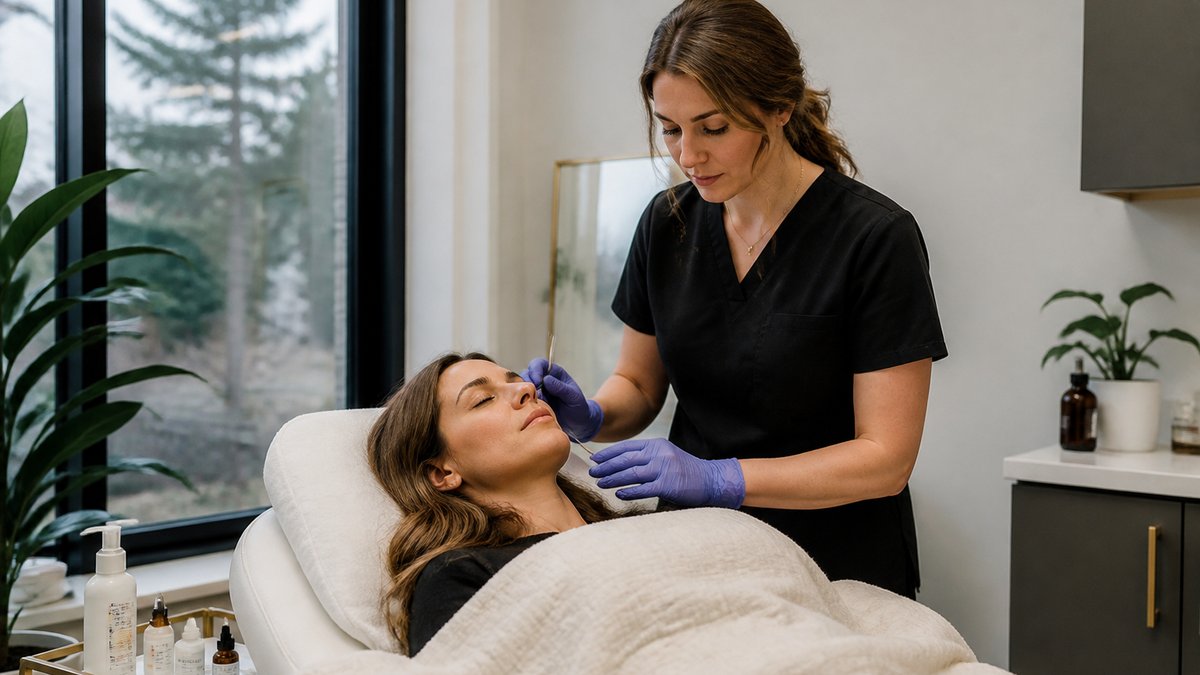
Excess skin removal surgery addresses stretched tissue that no longer matches your body shape after weight loss or pregnancy. Many people have similar questions about whether they qualify, how to prepare, and what healing involves. Clear answers support realistic expectations; learn some common questions to ask about excess skin removal.
Am I a Candidate?
Candidacy for skin removal surgery depends on several health and lifestyle factors. Surgeons may approve surgery for patients with stable weight. This stability helps the surgeon see where skin removal will be most effective.
General health plays a major role as well. Chronic conditions, smoking, and certain medications may influence healing and surgical planning. During a consultation, you can discuss your medical history and any previous procedures. If you’re undergoing any treatments, they should be mentioned during a skin removal consult.
Expectations also matter. Skin removal surgery reshapes specific areas; it does not function as a weight-loss method. A surgeon will explain which areas may respond well to treatment and which outcomes are realistic for your body type.
How to Prepare for Surgery?
Preparation for surgery starts with a detailed consultation and physical examination. The surgeon evaluates the areas with excess skin and reviews your health background. You can ask questions about risks, anesthesia, and the recovery timeline.
In the weeks before surgery, patients may adjust medications under medical guidance. Some drugs increase bleeding risk or interfere with anesthesia. Your medical team will give specific instructions about when to pause or adjust prescriptions and supplements.
Planning your home environment also supports recovery. Arrange a comfortable resting area with easy access to water, medications, and wound care supplies. Organize help with child and pet care, as well as household tasks during the early healing period.
Nutrition and hydration support your body’s ability to recover. A balanced diet before surgery helps maintain strength and energy. Your surgeon may also provide guidance on smoking cessation and alcohol use before the procedure.
How to Manage Scarring?
Every surgical incision produces a scar, and excess skin removal surgery may involve longer incisions. Scar appearance depends on incision placement, skin type, genetics, and how the wound heals over time. A surgeon will describe expected scar locations during your consultation.
After surgery, incision care follows a structured plan. You’ll receive guidance on how to keep the area clean and protected from friction. Follow-up appointments allow the surgeon to check healing progress and address early concerns.
- Scar appearance changes over months as tissue remodels.
- Sun exposure often darkens scars, so protection is recommended.
- Good nutrition and not smoking support healthier scar formation.
Scars usually look more noticeable in the first months, then soften and flatten gradually. Your surgeon can discuss options if a scar remains thicker or more raised than expected.
What Is the Healing Process?
Healing after excess skin removal surgery occurs in stages. The earliest phase usually involves swelling, bruising, and fatigue. During this time, rest and limited movement protect the incisions. Activity restrictions vary by procedure and treatment area. Start with short, gentle walks indoors to encourage circulation. Heavy lifting and vigorous exercise are often delayed until the surgeon confirms that the tissues have strengthened.
Follow-up visits guide the healing process. The surgeon checks incision lines, removes sutures if needed, and updates your activity plan. You can ask about returning to work, driving, and other daily routines.
Full results take time to appear as swelling decreases and scars mature. You may notice early contour changes within weeks, while final refinement develops over several months. Staying in contact with your medical team helps address questions as your body changes.
Schedule Excess Skin Removal Surgery
Speaking directly with a qualified surgeon helps you understand candidacy, preparation steps, and recovery expectations for your situation. If you want excess skin removal procedures, write down areas of concern and share them with your doctor. Maintaining a healthy weight and having realistic expectations will give you the best results.
- The Role of Testosterone Replacement in Treating Erectile Dysfunction
- The Long-term Benefits of Root Canal Therapy for Your Smile
- Identifying and Treating Common Warts
- Utilizing Telehealth for Accessible Chiropractic Consultations
- The Role of a Dermatologist in Managing Chronic Skin Conditions

