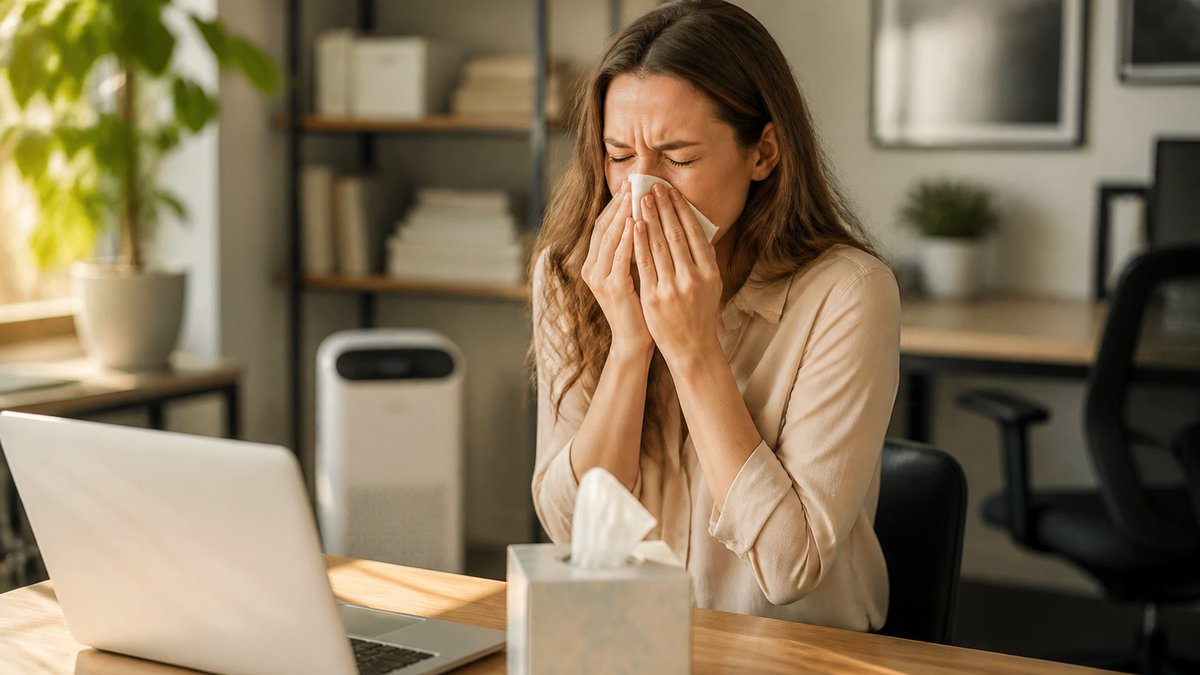
When you have asthma, the airways in your lungs swell and narrow. This makes breathing harder. Symptoms include coughing, wheezing, and chest tightness, and they often start after contact with a trigger. Once you know your personal triggers, you can plan your home and daily routine around them.
Clean Home Regularly
Dust mites, mold, and pet dander collect in fabric and on surfaces. Cleaning works well when you follow a weekly routine. Cleaning stirs up dust and can trigger asthma, so wear a well-fitted mask during these tasks. If another household member is available, ask them to complete the dustiest jobs. Pick one day for the main tasks, and add quick touch-ups during the week:
- Wash sheets and pillowcases weekly in hot water.
- Vacuum carpets and rugs once or twice a week with a HEPA vacuum.
- Wipe surfaces with a damp cloth instead of a dry duster.
- Keep indoor humidity below 50% to limit mold and dust mites.
Use Air Filters at Home
Indoor air holds dust, pet dander, pollen, and mold spores. A HEPA air purifier traps tiny particles, and it works well in bedrooms. Keep the bedroom door closed while the unit runs. Since you spend about a third of your day asleep, start with the room where you sleep.
Your heating and cooling system moves air through the whole house, so its filter matters too. If your system allows it, choose a high-rated filter. These filters catch smaller particles than basic fiberglass filters.
A filter traps less as it fills with debris. Many HVAC filters need a new one every few months, and purifier filters follow the maker’s schedule. To avoid forgetting, set a reminder on your phone calendar. Check filters more often during pollen season or if you have pets.
Check Air Quality Outside
Before you head out, check the Air Quality Index, or AQI. Weather apps may post daily readings for your area. An AQI above 100 is unhealthy for sensitive groups, and people with asthma fall into that group.
Pollen and ozone follow daily patterns. Pollen counts typically run high in the morning, and ozone tends to peak in the afternoon. On high-pollen days, shower and change clothes after you come inside. Plan outdoor exercise for times with lower readings.
Avoid Irritants
Some triggers do not cause allergies, but they still irritate your airways. When you breathe them in, your airways may tighten within minutes. Watch for these major sources:
- Tobacco smoke and vape aerosol, including smoke residue on clothing
- Wood smoke from fireplaces and fire pits
- Strong scents from perfume, candles, and air fresheners
- Fumes from bleach, ammonia, and spray cleaners
- Air that is cold and dry
Wear a scarf over your nose and mouth in cold weather. If you live with a smoker, ask them to smoke outside and away from doors. Choose fragrance-free products, and pick liquid cleaners over sprays.
Get Treatment for Asthma
When your symptoms change, your treatment plan may need an update. A provider reviews your triggers, medicines, and inhaler technique with you. Urgent care clinics accept walk-in visits, and many stay open on evenings and weekends. Call 911 for severe breathing trouble, blue lips, or no relief from your rescue inhaler.
- The Role of Testosterone Replacement in Treating Erectile Dysfunction
- The Long-term Benefits of Root Canal Therapy for Your Smile
- Identifying and Treating Common Warts
- Utilizing Telehealth for Accessible Chiropractic Consultations
- The Role of a Dermatologist in Managing Chronic Skin Conditions