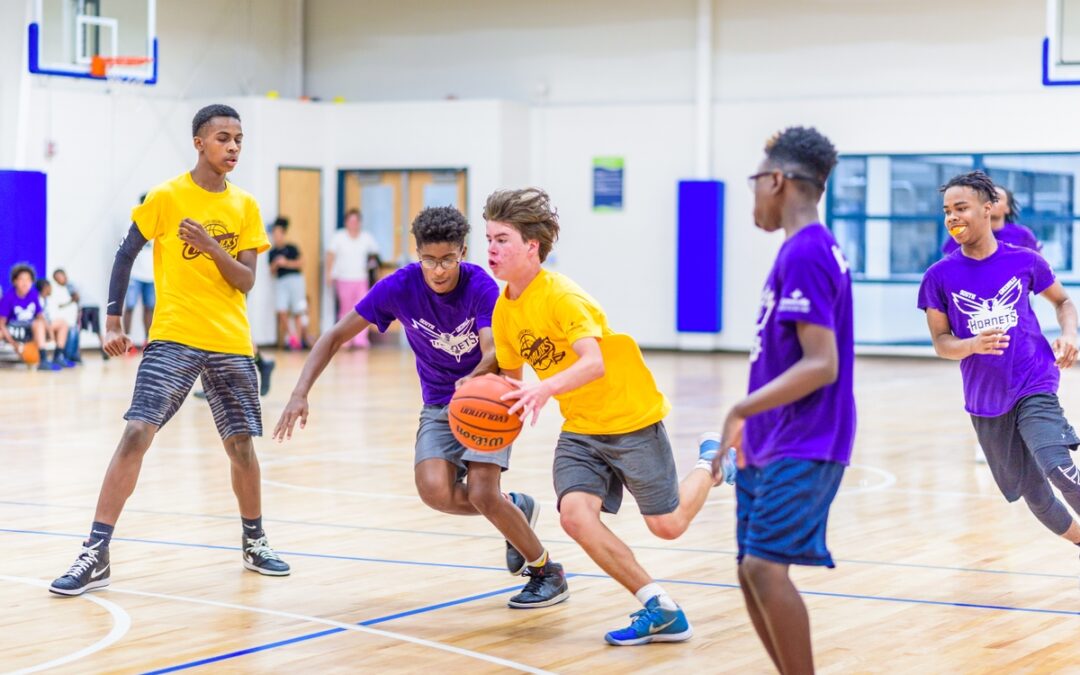
Sports medicine focuses on the physical health of active people, and it covers injury prevention, diagnosis, and treatment. When young athletes train year-round, their growing bodies face repeated stress on bones, joints, and muscles. A sports medicine team looks at these demands through the lens of a developing body. Here are some of the benefits of these services in youth athletics:
Identified Root Cause of Pain
Many young athletes push through pain, and parents may blame normal soreness. Since children are still growing, their injuries do not always look like adult injuries. Growth plates, tendons, and developing joints each respond differently to stress. Pain that changes how a child moves needs a closer look.
When a sports medicine provider evaluates knee pain, they look beyond the sore spot. They may check hip strength, foot mechanics, and running form. Imaging may help in some cases, but a hands-on exam often guides the next step. This approach targets the source of the problem instead of only the symptom.
Sports-specific Training
Each sport places different demands on the body, and training plans reflect those differences. Since a pitcher repeats the same throwing motion, shoulder and elbow care gets extra attention. A distance runner faces a different set of risks. Sports-specific programs may include:
- Pitch counts and arm care for baseball and softball players
- Drills for soccer and basketball players
- Mileage planning for cross-country runners
- Flexibility and core work for gymnasts and dancers
When young athletes play one sport all year, overuse injuries can become an issue. Rest periods matter, and some athletes benefit from playing more than one sport. A specialist may help your family plan a balanced season.
Improved Performance
Sports medicine also looks at how young athletes move. If an athlete has limited ankle mobility, their jump or sprint mechanics may suffer. A provider may spot the restriction, and a therapist may then build a plan to address it. These small changes may add up over a season.
While every athlete differs, some areas get attention during a performance assessment. Providers test strength on each side of the body, and they compare the results. Imbalances between legs often show up in soccer and basketball players.
Nutrition and sleep affect performance too, so many sports medicine teams discuss these habits. Young athletes need enough calories to fuel both growth and training. When intake falls short, fatigue and stress injuries may become more likely.
Regenerative Options
Regenerative medicine aims to support the body’s own healing process. Since research in children remains limited, some options appear less often in younger patients. Providers weigh the athlete’s age and injury type, and they explain the evidence behind each choice. Not every injury requires a regenerative treatment. Options a provider may discuss include:
- Platelet-rich plasma (PRP) injections for certain tendon injuries
- Targeted physical therapy to rebuild tissue strength
- Adjusted activity changes and structured rest plans
- Protective bracing or taping to aid healing tissue
Find a Sports Medicine Specialist
If your child has pain that lasts more than a week, schedule an evaluation. Look for a medical provider with training in pediatric or adolescent sports medicine. Ask about their experience with your child’s sport, and bring notes about training hours and symptoms. Clear details help the provider tailor a plan to your child.
- Understanding Challenges in Geriatric Care and How To Address Them
- How Sclerotherapy Is an Effective Solution for Treating Spider and Varicose Veins
- Who Benefits From Ankle Replacement Surgery
- Common Questions To Ask About Cataract Surgery
- Discovering Unique Omegle Alternatives for Diverse Interactions

