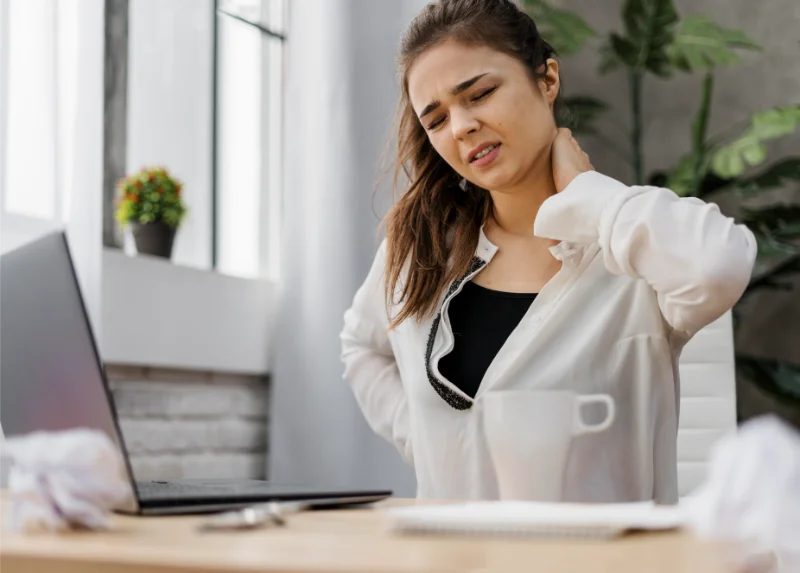
Neck pain results from several conditions, including spinal stenosis, which occurs when spaces within the spine narrow and press on nearby nerves. When spinal stenosis affects the cervical spine, it may cause stiffness, discomfort, numbness, or weakness. Here is a closer look at the connection between neck pain and spinal stenosis:
Understanding Spinal Narrowing
The cervical spine has seven bones stacked in the neck, and each one surrounds a central canal that protects the spinal cord. When this canal narrows, the surrounding tissues have less room, and pressure can build against sensitive structures. This pressure often shows up as neck pain, stiffness, or a general sense of tightness that does not resolve with rest.
Narrowing can develop slowly as the spine changes with age, though it may also occur after an injury or an existing spinal condition. Changes in the discs, joints, or ligaments reduce the open space, and the nerves that travel through the neck respond to that crowding. The result is discomfort that some people first notice as a dull neck pain.
Recognizing Symptoms Beyond Neck Discomfort
Spinal stenosis in the neck rarely stays contained to one area. The nerves affected by narrowing branch out to the shoulders, arms, and hands, so symptoms can travel far from their source. Here are some of the symptoms that may accompany neck pain:
- Tingling or numbness: Compressed nerves can send pins-and-needles sensations into the arms, hands, or fingers.
- Weakness in the arms or hands: Reduced nerve signals may make it harder to grip objects, and tasks like buttoning a shirt can become clumsy.
- Balance changes: Pressure on the spinal cord can affect coordination, so walking may become unsteady.
- Radiating pain: Discomfort may spread from the neck into the shoulder blades or down one arm, following the path of an irritated nerve.
- Stiffness after rest: The neck may feel especially tight in the morning or after long periods of stillness.
Identifying Triggers
Certain daily habits can add strain to an already narrowed neck, and posture is one of them. Long hours spent looking down at a phone or leaning toward a screen keep the cervical spine bent, increasing pressure on the joints. Posture corrections can ease some of that daily load.
Past injuries also play a role in how neck pain develops. A car accident, a fall, or a sports collision can damage neck structures, and the effects surface after some time. People with earlier spinal conditions may find that these old injuries make current symptoms harder to manage.
Reviewing Treatments and Warning Signs
Care for neck pain linked to spinal stenosis ranges from gentle at-home strategies to hands-on medical support. The right approach depends on symptom severity and how long they have lasted. The following areas outline what to expect.
Treatment Approaches
Some people begin with conservative options that focus on movement and support. Physical therapy, targeted exercises, and posture adjustments often form the first stage of care. These methods aim to reduce pressure on the nerves. A provider may also suggest activity changes that align with your daily routine.
Signs That Require Prompt Attention
Some symptoms suggest a need for immediate action. Sudden weakness in the arms or legs, loss of coordination, or changes in bladder or bowel control are signals to take seriously. These signs may point to greater pressure on the spinal cord, and a professional evaluation becomes key at that stage.
Schedule Your Neck Pain Evaluation
Neck discomfort can arise from various causes, including muscle strain and serious underlying conditions. Recognizing common symptoms and monitoring warning signs is fundamental for addressing the problem early. If discomfort persists or you experience sudden weakness or loss of coordination, seek a professional evaluation. Contact a qualified orthopedic surgeon in your area to schedule your neck pain evaluation today.
- Understanding Challenges in Geriatric Care and How To Address Them
- How Sclerotherapy Is an Effective Solution for Treating Spider and Varicose Veins
- Who Benefits From Ankle Replacement Surgery
- Common Questions To Ask About Cataract Surgery
- Discovering Unique Omegle Alternatives for Diverse Interactions