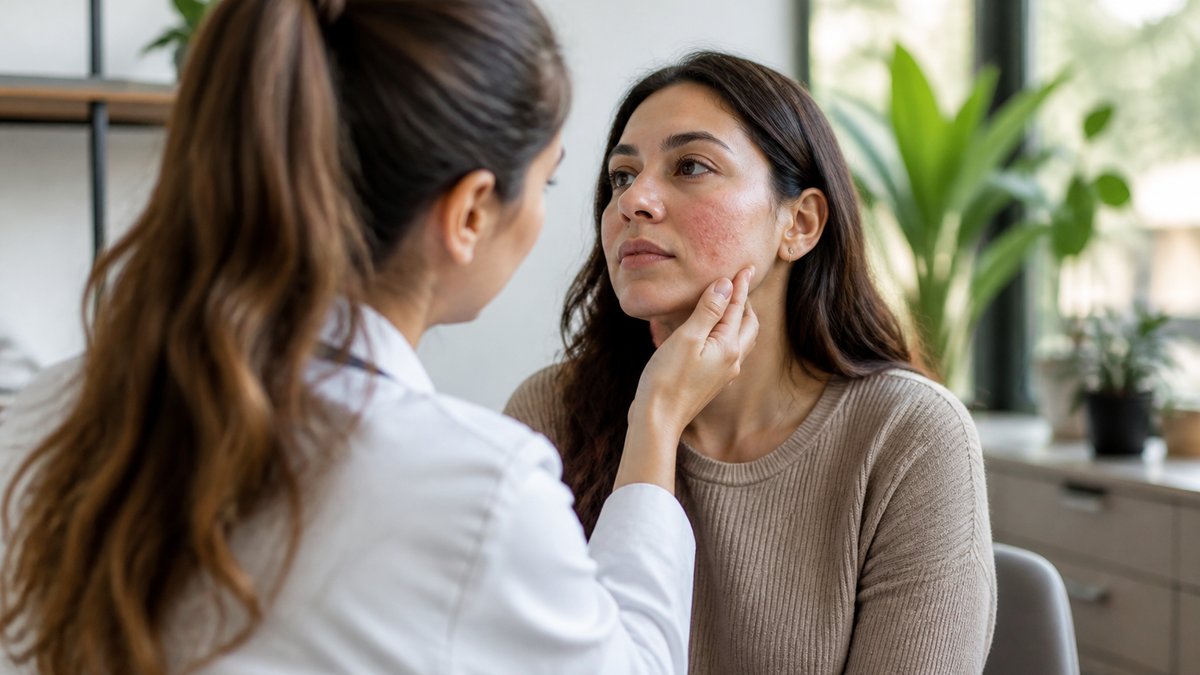
Psoriasis is a long-term skin condition that changes how skin cells grow and shed, and it may lead to raised, scaly patches that feel dry or itchy. While some people notice only a few small areas, others see large sections of skin involved. The condition can also affect the nails or joints. Here is more information on this condition and how it is treated:
What Is Psoriasis?
Psoriasis develops when the skin renewal process speeds up, and new cells reach the surface faster than the body sheds old ones. This buildup forms thick plaques with a defined edge. These areas may appear on the scalp, elbows, knees, lower back, or palms and soles. The condition is not contagious, so it does not spread from person to person through touch or shared items. That distinction helps guide how people manage contact with others.
Several types of this condition exist. Each type has its own pattern, thickness, and location on the body. Plaque psoriasis produces classic raised patches, guttate psoriasis often shows up as small drop-shaped spots, and inverse psoriasis tends to affect skin folds where friction and moisture are higher. Some people develop nail changes such as pitting or discoloration. Others experience joint pain or stiffness that suggests psoriatic arthritis.
What Causes It?
Psoriasis is linked to an overactive immune response, which drives inflammation in the skin and sometimes in the joints. The immune system sends signals that speed up skin cell production, and those signals also attract inflammatory cells that keep the cycle going. Risk factors include:
- Immune system changes
- Family history
- Infections
- Stress
- Certain medications
- Environmental factors
How Is It Treated?
Treatment aims to reduce inflammation, slow skin cell growth, and relieve symptoms. The plan usually depends on severity and response to past therapies. Some mild cases respond to topical medications, while more extensive or stubborn disease may need light-based therapy or systemic treatment. Some people use a combination of approaches over time. Treatment changes as symptoms improve or new areas appear.
Topical ointments target plaques directly on the skin surface. These products may include corticosteroids that reduce redness and swelling, vitamin D analogs that slow cell growth, and retinoids that influence cell maturation. Oral medications address psoriasis from within the body, and they target immune activity that drives the condition. These options are used for people with moderate to severe disease. Clinicians monitor lab values and symptom changes during treatment.
Phototherapy exposes affected skin to controlled doses of ultraviolet light; this approach helps slow excessive cell growth while also reducing inflammation. The light dose increases gradually based on skin response. Biologics are injectable or intravenous treatments that target specific immune system proteins. Each biologic blocks a specific pathway in the inflammatory process, and that targeted effect helps reduce plaques and joint symptoms. Regular dosing schedules and ongoing follow-up visits support long-term management and safety.
Seek Professional Guidance Now
Persistent plaques, frequent flares, or joint discomfort signal the need for a structured evaluation. A dermatologist can sort out the type and severity of the condition. A tailored treatment plan aligns topical therapies, light-based care, and systemic options with individual health needs, and it also adjusts over time as symptoms shift. Early attention to skin and joint changes may lower the risk of long-term complications. If you have psoriasis, seek professional guidance now.
- The Role of Testosterone Replacement in Treating Erectile Dysfunction
- The Long-term Benefits of Root Canal Therapy for Your Smile
- Identifying and Treating Common Warts
- Utilizing Telehealth for Accessible Chiropractic Consultations
- The Role of a Dermatologist in Managing Chronic Skin Conditions

