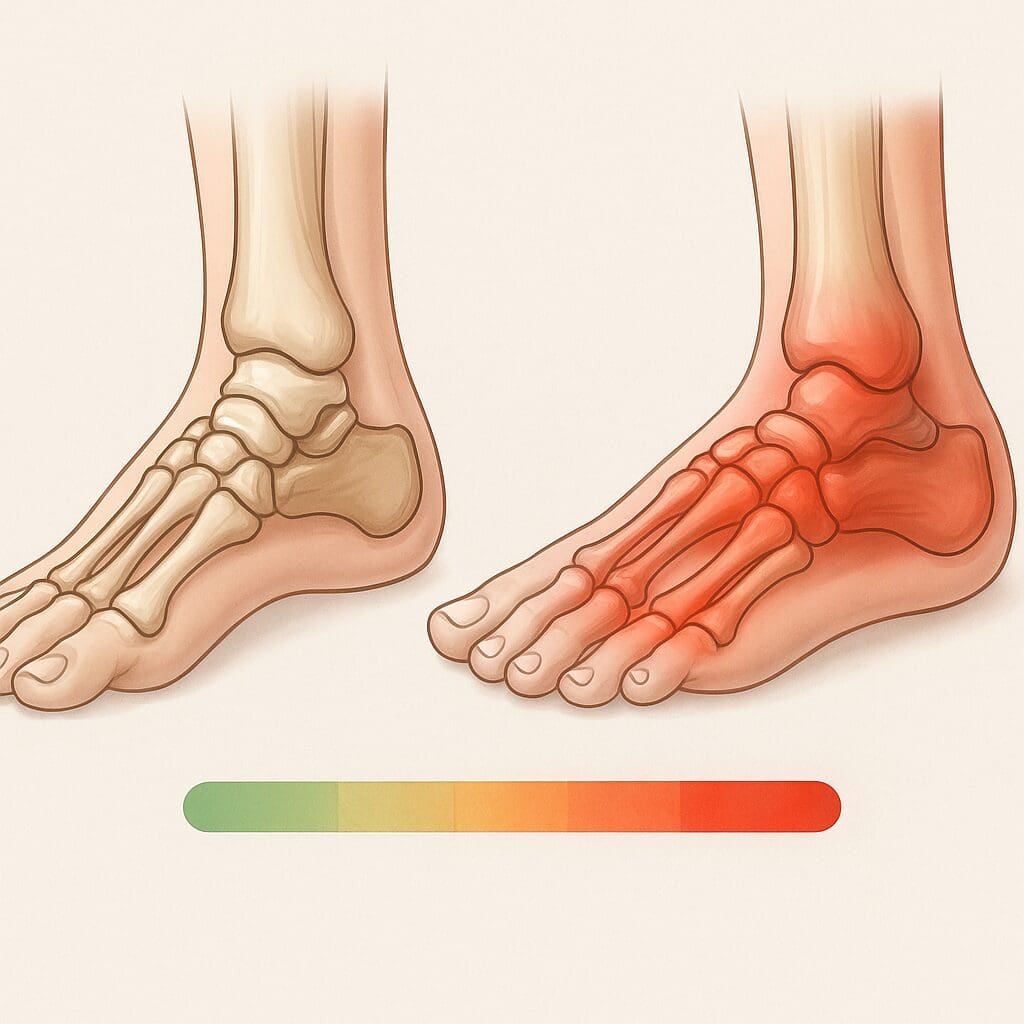
Arthritis describes various conditions affecting the joints, often causing pain, stiffness, swelling, and reduced mobility. Common forms include osteoarthritis, which involves cartilage deterioration, and rheumatoid arthritis, an autoimmune condition affecting joint tissue. Because arthropathy symptoms and underlying causes vary, healthcare providers evaluate individual conditions before recommending appropriate treatment options. Here is more information about the different types of arthropathy:
Recognizing Symptoms
Arthritis affects the joints and often causes discomfort that varies in severity, duration, and location. Symptoms sometimes become more noticeable after prolonged inactivity or during morning movement. Some individuals experience difficulty completing everyday activities, including walking, climbing stairs, or gripping objects. Joint discomfort may also fluctuate throughout the day, depending on activity levels and the underlying condition. Because different forms of arthropathy produce similar symptoms, healthcare providers evaluate joint changes and medical history to identify possible causes. Tracking symptom frequency, affected joints, and changes in mobility provides additional information during medical evaluations. Common symptoms include:
- Experiencing persistent joint pain
- Noticing swelling around joints
- Developing stiffness after inactivity
- Experiencing reduced joint mobility
- Feeling tenderness during movement
Identifying Osteoarthritis Causes
Osteoarthritis develops when cartilage within the joints gradually deteriorates, reducing the cushioning between bones. As cartilage breaks down, joint movement may become uncomfortable, and stiffness or swelling sometimes develops. Although osteoarthritis commonly occurs with aging, other factors also contribute to cartilage deterioration.
Several factors influence osteoarthritis risk, including excess body weight, previous joint injuries, and family history. Repeated physical stress may also affect cartilage health, particularly in joints exposed to frequent movement or pressure. Structural abnormalities, including congenital hip dysplasia, sometimes alter joint alignment and contribute to uneven stress.
Osteoarthritis symptoms often develop gradually, making early changes in joint function difficult to recognize. Patients may notice stiffness after inactivity, discomfort during movement, or reduced flexibility in affected joints. Healthcare providers evaluate medical history, physical symptoms, and joint function to identify possible osteoarthritis and discuss appropriate treatment options.
Explaining Rheumatoid Causes
Rheumatoid arthropathy is an autoimmune condition in which the immune system mistakenly attacks healthy tissue lining the joints. This immune response causes inflammation that may damage cartilage, bone, and surrounding joint structures over time. Although the exact cause remains unclear, genetic and environmental factors contribute to the development of rheumatoid arthritis.
Unlike osteoarthritis, rheumatoid arthritis often affects matching joints on both sides of the body. Symptoms may fluctuate between periods of increased inflammation and reduced disease activity, sometimes causing unpredictable flare-ups. Because rheumatoid arthropathy is a systemic autoimmune condition, inflammation sometimes affects other organs, including the lungs, heart, and eyes. Common characteristics include:
- Experiencing symmetrical joint pain
- Developing persistent joint swelling
- Noticing prolonged morning stiffness
- Experiencing recurring inflammatory flare-ups
- Developing fatigue during inflammation
- Experiencing inflammation beyond joints
Talk to a Specialist Today
Arthropathy includes several conditions that affect joint health, mobility, and daily activities. Osteoarthritis involves cartilage deterioration, while rheumatoid arthropathy develops through an autoimmune response affecting joint tissue. Although these conditions share symptoms, their underlying causes and treatment approaches differ. Healthcare providers evaluate joint pain, stiffness, swelling, and medical history to identify possible causes and recommend appropriate care. Schedule an arthritis evaluation today to discuss your symptoms and explore available pain management options.
- Understanding the Different Types of Arthritis
- How Internists Approach Complex Medical Cases
- Understanding Challenges in Geriatric Care and How To Address Them
- How Sclerotherapy Is an Effective Solution for Treating Spider and Varicose Veins
- Who Benefits From Ankle Replacement Surgery

