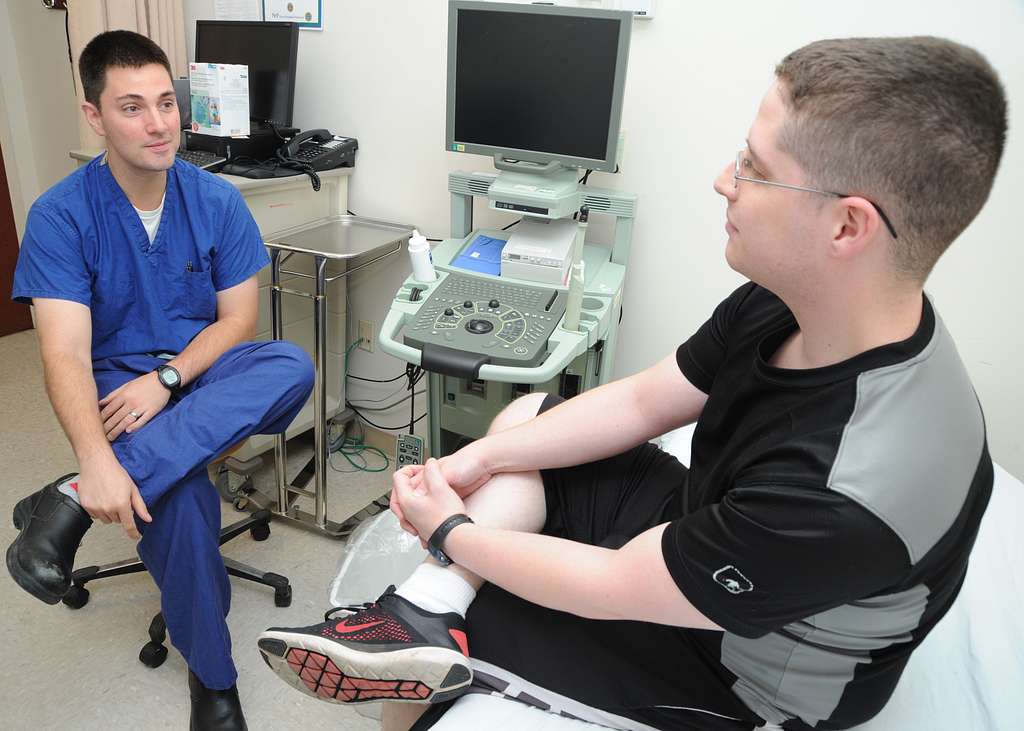
Urology plays a significant role in diagnosing, treating, and monitoring conditions that affect the urinary system and male reproductive health. Regular urology care can address concerns such as prostate health and sexual function while supporting early detection of potential issues. Here is a closer look at the role of urology in supporting men’s long-term health:
Monitoring Urinary Health
Your urinary system filters and removes waste, and changes often signal issues worth reviewing. A urologist checks for symptoms such as frequent urination, weak flow, or discomfort, and uses these observations to guide next steps. Regular monitoring helps you track patterns over time, and it gives your urology specialist a baseline for comparison. Reporting changes early gives your care team more options.
Evaluating Prostate Changes
The prostate sits below the bladder and can change in size or function as men grow older. A urology specialist reviews these changes through physical exams and discussions about your symptoms, so you understand what is happening. Tracking the prostate over time helps support informed decisions about your care.
Regular Health Screening
Screening gives your urology specialist a structured way to observe the prostate, and it often starts with a conversation about your history. A specialist may recommend tests based on your age and risk factors, so the plan fits your situation. These checks create a record your care team can revisit, making future comparisons easier.
Effective Symptom Management
Some men notice urinary changes that connect to the prostate, and a urologist can map these symptoms to possible causes. Your urology specialist reviews your daily patterns, suggests adjustments, and explains what each option involves. Treatment plans vary from person to person, and they depend on your symptoms and goals.
Addressing Sexual Health
Urology covers sexual function and fertility, which matter to men seeking specialist care. A urologist evaluates concerns such as changes in sexual performance or difficulty conceiving, and this review often begins with a detailed discussion. Your specialist may examine hormone levels, sperm health, or blood flow, so the assessment reflects your full picture. When you share your goals, your urologist can tailor the plan to match what you hope to achieve.
Supporting Preventive Care
Preventive care helps you protect your health over time, and urology plays a central role in that effort. A urologist works with you to build habits and schedules that fit your life. Consistent follow-up keeps your records current, and it helps your specialist detect changes sooner. Here are some fundamental elements of preventive urology care:
- Regular check-ins: Scheduled visits let your urologist track changes over time, and they keep your health record up to date.
- Symptom tracking: Noting changes in urination or sexual function gives your specialist useful details.
- Lifestyle discussions: Conversations about daily habits help your urologist suggest adjustments that fit your routine.
- Risk reviews: Looking at family history and personal factors helps your specialist create a plan that matches your needs.
- Follow-up planning: Clear next steps keep you informed and make sure each appointment builds on the last.
Schedule Your Urology Care Appointment
Effective urology care is built on personalized conversations, thorough risk assessments, and clear follow-up plans. Your specialist can support long-term urinary and reproductive health by addressing lifestyle factors and understanding your individual needs. Contact a qualified urologist near you to schedule your urology care appointment today.
- Understanding Challenges in Geriatric Care and How To Address Them
- How Sclerotherapy Is an Effective Solution for Treating Spider and Varicose Veins
- Who Benefits From Ankle Replacement Surgery
- Common Questions To Ask About Cataract Surgery
- Discovering Unique Omegle Alternatives for Diverse Interactions

