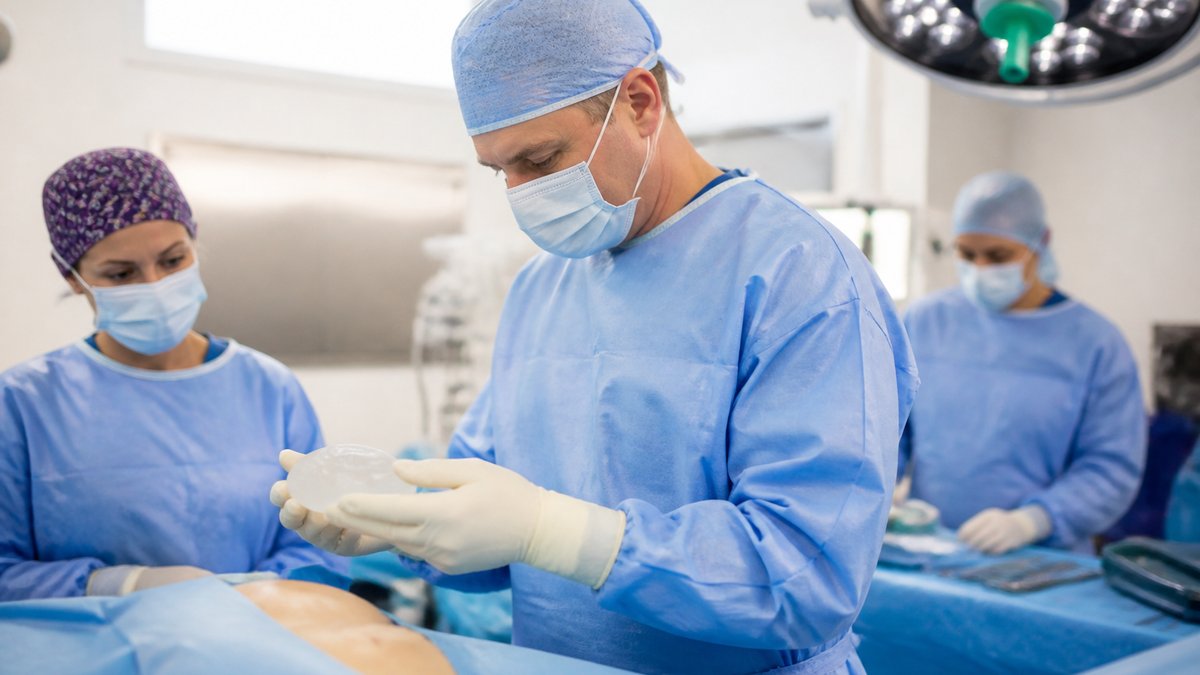
People who research breast augmentation need a clear outline of what the procedure involves. The process follows a structured path, and each stage serves a specific purpose. Patients usually start by learning how the surgery is planned, what happens in the operating room, and which steps follow during recovery. Understanding each phase helps align expectations with the typical course of treatment.
Initial Consultation and Planning
The first stage focuses on evaluation, discussion, and planning, and it shapes every later decision. A breast augmentation surgeon reviews medical history and current health. This review helps identify potential risks. Since the patient describes goals for size, shape, and proportion, the surgeon compares those goals with anatomical features. Implant type and placement are discussed, and these choices influence both the surgical method and the expected contour. Patients also receive guidance on preoperative instructions, and these directions support a safer experience on the day of surgery.
Specific Anesthesia and Incisions
On the day of breast augmentation, staff verify health information. They confirm the surgical plan with the patient. Anesthesia is administered so the patient remains comfortable during the procedure, and medical professionals monitor vital signs throughout the operation. The surgeon marks the chest to guide incision placement, and these markings help line up the planned pocket for the implant. After preparation of the surgical field, the procedure moves through several structured steps:
- Anesthesia administration: General anesthesia or another method is selected based on the plan and patient health.
- Incision creation: The surgeon makes incisions in predetermined locations designed to support access and healing.
- Pocket formation: A pocket is created under the breast tissue or chest muscle to receive the implant.
- Implant insertion: The implant is inserted into the pocket, and the surgeon adjusts its position for symmetry.
- Closure and dressing: Layers of tissue are closed, and dressings or a surgical bra are applied to support the area.
Monitored Recovery and Outlook
After surgery, patients move to a recovery area, and staff monitor them as anesthesia wears off. Discharge instructions outline wound care, activity limits, and follow-up visits. These directions guide the first weeks at home. Swelling and temporary tightness around the chest are common, and the surgeon explains how these effects usually change over time. Many people arrange help with daily tasks during the early period, and this support allows them to follow movement restrictions more easily.
Follow-up appointments allow the surgeon to review healing progress. Adjustments to activity levels are often based on those visits. Since results from breast augmentation develop gradually as tissues settle and swelling decreases, the final contour appears over several months. Long-term outcomes depend on factors such as implant type, surgical technique, and individual healing patterns, and ongoing checkups help track these elements. Routine breast health screenings stay relevant after surgery, and providers explain any adjustments needed for imaging.
Book a Breast Augmentation Provider
Breast augmentation involves structured planning, and it includes a recovery period that follows clear guidelines. People who want to learn how these stages apply to their own health and goals benefit from a direct conversation. Schedule a consultation with a local cosmetic surgery practice since you can review options, discuss potential risks, and map out a procedure plan that aligns with your needs.
- The Role of Testosterone Replacement in Treating Erectile Dysfunction
- The Long-term Benefits of Root Canal Therapy for Your Smile
- Identifying and Treating Common Warts
- Utilizing Telehealth for Accessible Chiropractic Consultations
- The Role of a Dermatologist in Managing Chronic Skin Conditions