The skin faces daily exposure to sunlight, temperature shifts, allergens, and microorganisms, so it can develop a wide variety of changes over a person’s lifetime. Some of these changes are minor and resolve on their own, while others may benefit from professional evaluation. Dermatology is the branch of medicine devoted to this part of the body.
What Is Dermatology?
Dermatology is a medical specialty, and it focuses on diagnosing and managing conditions of the skin, hair, and nails. Its care may also include certain mucous membranes. Physicians who practice in this specialty are known as dermatologists, some of whom are also surgeons.
What Does It Treat?
Dermatologists evaluate and manage a broad range of conditions. Acne, eczema, psoriasis, and rosacea are among the most frequently seen concerns. Acne develops when pores become clogged, and it may appear as blackheads, small bumps, or deeper cysts. Eczema is often associated with dry, itchy patches, while psoriasis commonly presents as thick, scaly areas of skin. Rosacea typically involves facial redness and visible blood vessels. Other concerns they generally treat vary, including:
- Hair and Scalp Concerns: Alopecia, or hair loss, can stem from genetics, hormonal shifts, stress, or immune system activity.
- Nail Changes: Discoloration, thickening, and fungal growth may all prompt an evaluation.
- Infections: The skin can develop bacterial, viral, and fungal infections, such as warts and athlete’s foot.
- Disorders Related to Pigment: Melasma, vitiligo, and dark spots that remain after inflammation all affect skin color and evenness of tone.
A dermatologist may also treat both skin growths. Malignant growths include basal cell carcinoma, squamous cell carcinoma, and melanoma.
What Should You Expect?
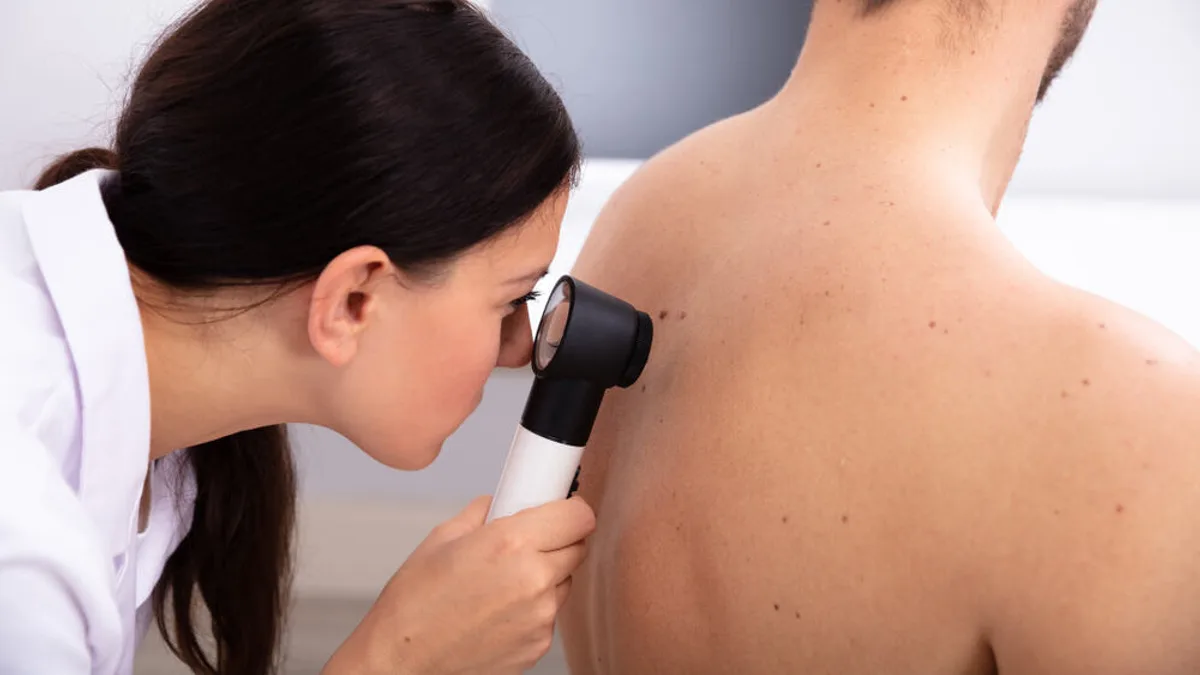
Dermatology services span diagnosis, medical care, and cosmetic procedures. A visit can begin with a visual skin exam. When more information is needed, a dermatologist may perform a biopsy, which involves removing a small tissue sample for laboratory analysis. Blood work or other lab tests also help to clarify a diagnosis; skin and blood tests can help identify substances that contribute to rashes, hives, or other reactions. Depending on the condition, a dermatologist may recommend one or more of the following options:
- Topical treatments, such as prescription gels and ointments applied directly to the skin
- Oral medications, including antibiotics or antifungals
- Injectable treatments delivered into a specific area of the skin or scalp
- Extreme cold to freeze and remove warts and certain growths
- Platelet-rich plasma (PRP), which uses components of a patient’s own blood and is sometimes applied to hair loss or skin rejuvenation
Aesthetic services address concerns related to appearance. Laser therapies may target pigmentation, scars, and unwanted hair. Chemical peels exfoliate the outer layers of skin, and dermaplaning removes dead skin cells. Dermal fillers add volume to specific areas, while neurotoxins relax targeted facial muscles. Dermatologists can also provide recommendations on daily routines and potential triggers to avoid.
Meet With a Dermatologist
Meeting with a dermatologist provides an opportunity to discuss current concerns and learn about the options available for skin, hair, and nail health. An initial dermatology appointment can include a review of medical history, current medications, and the skincare products in use. A full-body skin exam may include areas that are difficult to see without assistance, such as the scalp, the back, and the soles of the feet. Some conditions require more than one appointment, and follow-up visits allow the dermatologist to assess progress and adjust the care plan as needed.
- Understanding Challenges in Geriatric Care and How To Address Them
- How Sclerotherapy Is an Effective Solution for Treating Spider and Varicose Veins
- Who Benefits From Ankle Replacement Surgery
- Common Questions To Ask About Cataract Surgery
- Discovering Unique Omegle Alternatives for Diverse Interactions

