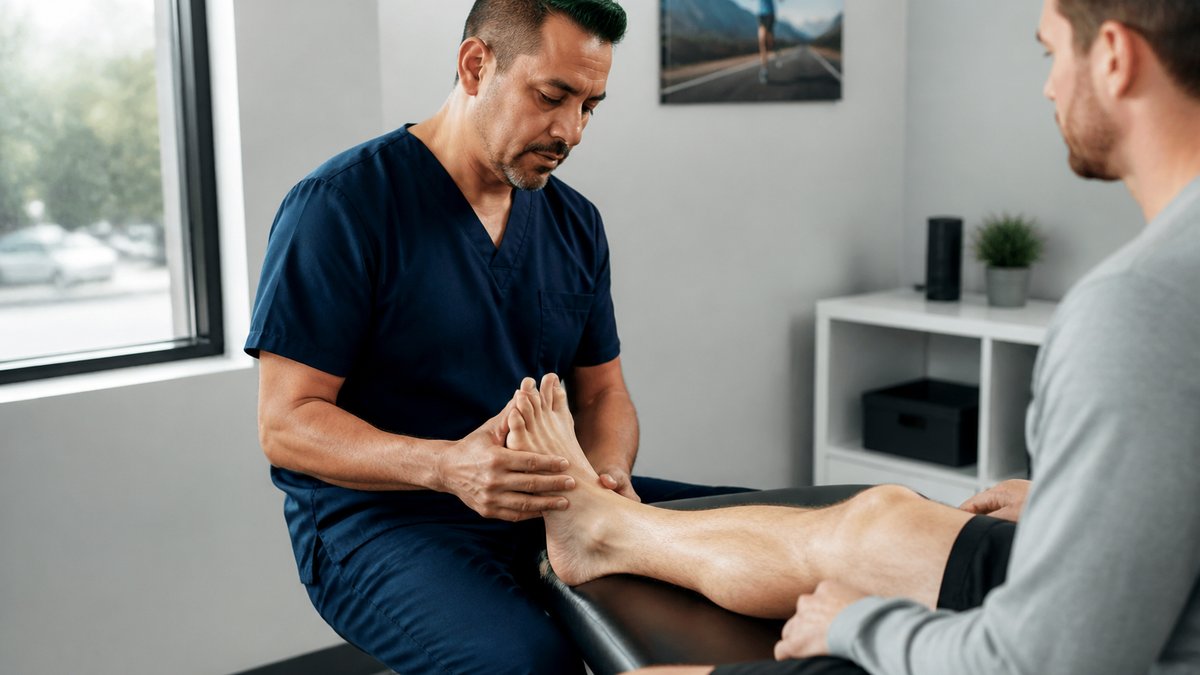
Foot and ankle strain affects many athletes. Podiatrists focus on the lower limb, so they can play a direct role in assessing sports-related issues and guiding recovery plans. When the structures that support each step work properly, athletic and daily performance may feel more stable.
What Are Podiatrists?
Podiatrists are medical professionals who focus on the feet, ankles, and related structures of the lower leg. They examine how bones, joints, muscles, tendons, and ligaments in the lower leg interact during movement, and they are able to assess how those structures respond under athletic loads. When an athlete reports pain with running or jumping, a podiatrist may look at both the specific area of discomfort and how the entire lower limb functions. During a sports injury visit, they can examine the foot and ankle and watch how a person stands and walks. They may adjust their recommendations as symptoms change over time.
What Do They Treat?
Repetitive impact, sudden changes in direction, and training errors all place stress on the foot and ankle, and these factors can lead to common sports injuries. Podiatrists may evaluate these problems, such as heel pain and discomfort around the ankle after activity. An athlete can notice stiffness during the first steps in the morning or feel sharp pain when they push off for a sprint. These patterns give useful clues.
Many sports injuries involve soft tissues like tendons and ligaments, and others involve joints and bones. Sprains, overuse tendon issues, and irritation around the ball of the foot can show up in active people. When these issues develop, athletes may adjust their movement without realizing it. This compensation can shift strain to the knees, hips, or back. By assessing the source of the problem, a podiatrist works to reduce this effect. Podiatrists review these details with athletes so they understand which movements stress the injured area, and this context may support more targeted recovery plans.
How Do They Treat Them?
Sports injury management usually starts with a detailed evaluation, and podiatrists can use that information to outline practical next steps. They may recommend changes in physical activity or footwear, while the injured area recovers. They are also able to provide guidance on gradual progression back to full activity.
Supportive devices are another tool in sports injury care, and podiatrists sometimes use them to redistribute pressure or restrict motion. These devices include customized orthotic options, and they can be paired with shoe recommendations that match the athlete’s sport and foot shape. Treatment plans may include stretching and strengthening exercises, addressing flexibility, balance, and control around the foot and ankle.
When symptoms persist or when an injury appears more complex, podiatrists can request imaging or collaborate with other healthcare professionals. This approach helps align rehabilitation and any needed medical interventions. Regular follow-up visits allow adjustments to the plan, since pain levels, strength, and activity demands may shift over time.
Seek Care From a Professional
Sports injuries in the foot and ankle can start small, and they sometimes progress when left unaddressed. Whether someone runs every day, plays sports, or lifts in a local gym, recurring pain in the feet or ankles signals a need for expert input. A structured evaluation and a practical plan help protect long-term participation in sports and activities.
- The Role of Testosterone Replacement in Treating Erectile Dysfunction
- The Long-term Benefits of Root Canal Therapy for Your Smile
- Identifying and Treating Common Warts
- Utilizing Telehealth for Accessible Chiropractic Consultations
- The Role of a Dermatologist in Managing Chronic Skin Conditions

