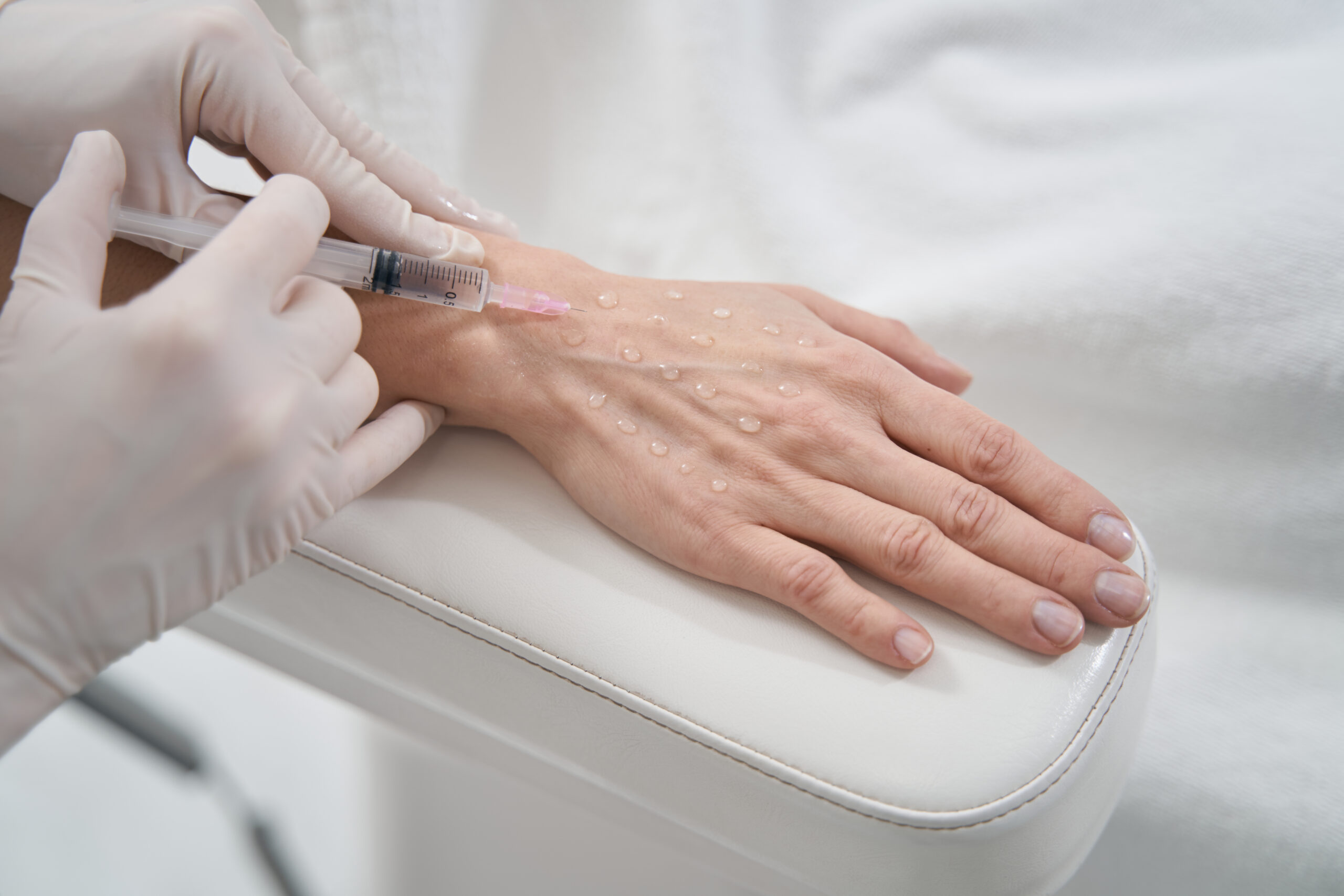
Vein treatments can reduce the appearance of visible veins and improve the skin’s overall appearance. Advances in treatment methods now offer less invasive options with shorter recovery times and more precise results. Here are some of the latest techniques used in cosmetic vein treatment:
Accurate Vein Assessment
A thorough assessment typically comes first, helping the provider understand the veins they will address. The practitioner examines the leg surface, maps the affected areas, and reviews your history to create a complete picture. This structured approach is key, and it guides the selection of the most suitable cosmetic vein treatment for each case. Some visible veins connect to deeper structures, and a provider may use imaging to view these connections clearly. This step clarifies whether surface veins are alone or link to larger feeder veins beneath the skin.
Minimally Invasive Techniques
Modern vein treatments rely on minimally invasive methods, which usually involve little downtime. A provider uses small needles or thin fibers, and procedures often take place in an office setting. The following overview outlines common techniques used today:
- Sclerotherapy: A provider injects a solution into targeted veins, which prompts them to fade over time.
- Laser therapy: A focused light source directs energy toward surface veins.
- Endovenous techniques: A provider inserts a thin fiber into larger feeder veins, and controlled energy helps close them.
Targeted Vein Care
Visible veins vary in size, color, and depth, and no single method addresses every type. A provider matches the technique to the vein, and this targeted strategy supports clear results. The following vein concerns appear often in cosmetic vein treatment.
Spider Veins
Spider veins are thin vessels that form web-like patterns near the skin surface. They often appear red, blue, or purple, and adults may notice them on the thighs, calves, and ankles. Providers frequently treat them with sclerotherapy or surface laser methods.
Reticular Veins
Reticular veins appear slightly deeper than spider veins, and they usually look blue or green through the skin. They can feed nearby spider veins, so a provider may treat them to improve overall appearance. A provider may treat reticular and spider veins together when they connect.
Long-Term Vein Health
Vein treatments focus on appearance, and simple daily habits can support your results. Movement matters, so regular walking and light activity help maintain circulation in the legs. A provider may suggest compression stockings to support treated areas during recovery. New veins may still appear over time, and follow-up visits help a provider monitor any changes. You can contemplate periodic check-ins if you want to maintain a consistent look. Adjustments to posture, activity, and leg elevation also play a helpful role in ongoing vein care.
Explore Cosmetic Vein Treatment Today
Vein treatments combine careful assessment, minimally invasive techniques, and targeted care for different vein types. A provider first identifies underlying patterns, selects a suitable method, and then supports your results with practical guidance. These steps help to address concerns like spider veins, reticular veins, and other visible leg veins. Contact a qualified vein specialist near you to schedule your consultation and explore available cosmetic vein treatment today.
- Recognizing Signs of Low Energy and Its Impact on Daily Life
- The Impact of DEXA Scans on Preventative Health Strategies
- How to Differentiate Between Toothache and Sinus Pain
- Recognizing the Signs of a Serious Neck Injury
- The Connection Between Flat Feet and Other Foot Problems