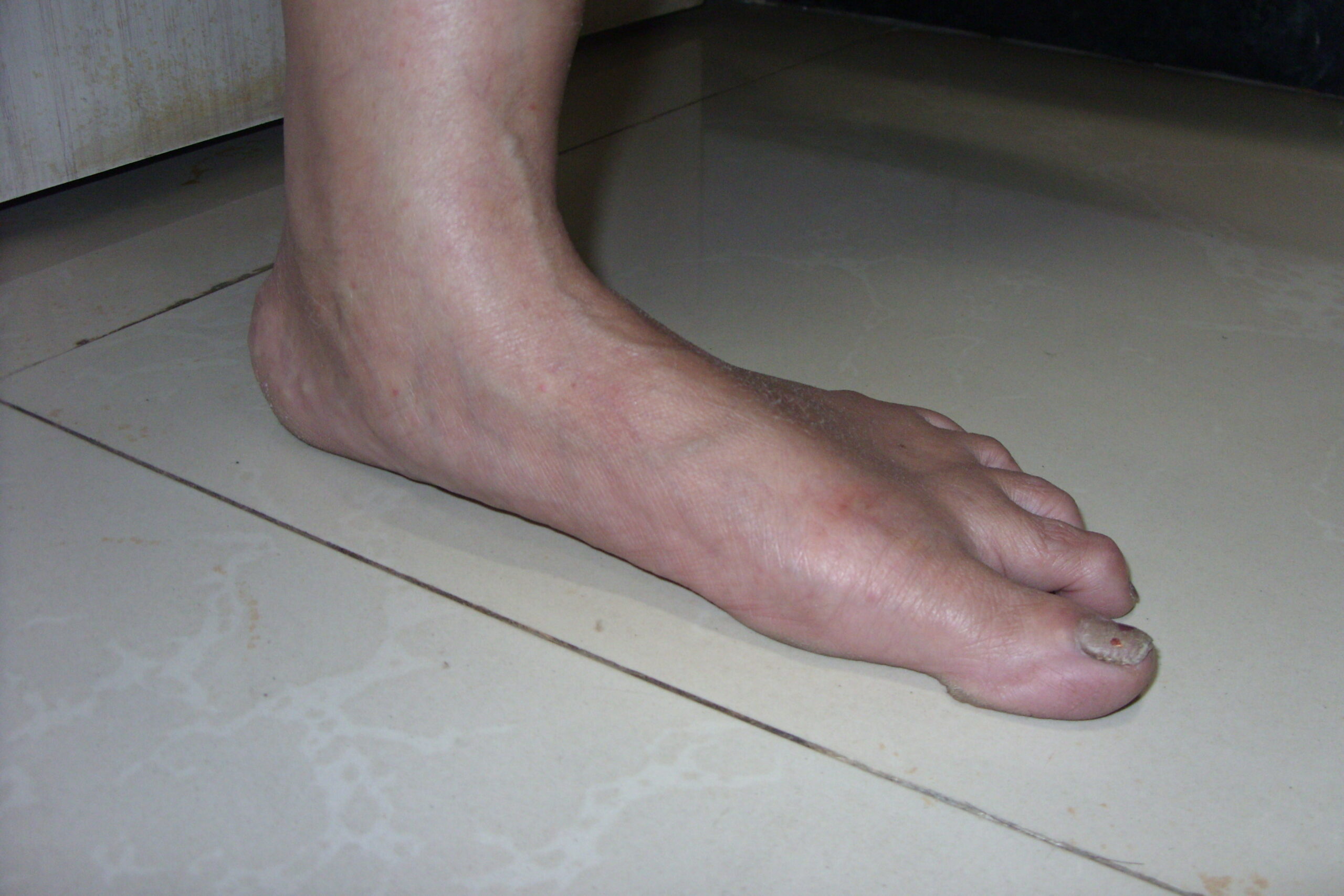
Flat feet describe a foot with a low or absent arch along the inner side. When a person with flat feet stands, most or all of the sole touches the ground. The arch helps the foot absorb shock and move efficiently, so a flattened arch may affect other parts of the foot and lower body. Here is some information about the connection between flat feet and other foot problems:
Impacts Weight Distribution
Proper weight distribution helps maintain balance and reduce foot strain. A typical arch spreads body weight across the heel, the outer edge, and the ball of the foot. When the arch collapses, the foot often rolls inward; this motion is called overpronation. This places extra load on the inner heel, the arch, and the big toe joint. Over time, uneven pressure may contribute to problems such as:
- Bunions
- Calluses and corns
- Tendon strain
Tendon strain also affects how the arch supports the foot. The posterior tibial tendon helps maintain the arch, so repeated strain or a tear can cause the arch to flatten further. As the arch loses support, weight often shifts toward the inner side of the foot, increasing pressure.
Changes Gait
Gait is the pattern of how you walk, and flat feet often alter it in small but measurable ways. With a low arch, the foot stays flexible longer during each step. It doesn’t always stiffen enough to push off the ground firmly. The ankle and lower leg can also rotate inward to compensate. This rotation travels upward; the knees, hips, and the lower back absorb some of the change. This helps explain why some people with flat feet also report joint aches.
Causes Foot Pain
Many people have low arches and feel no discomfort. Pain doesn’t occur in every case, but when it does, it often appears in predictable areas. These include:
- Arch and heel: The plantar fascia, a thick band of tissue under the foot, may stretch and become irritated. This condition is called plantar fasciitis.
- Inner ankle: Swelling or tenderness here may point to posterior tibial tendon dysfunction.
- Outer ankle: In advanced cases, the heel bone shifts outward and presses against the lower leg bone, causing pain on the outside of the ankle.
- Shins: Repeated inward rolling strains the muscles along the shin, which may contribute to shin splints.
Track when the pain starts, how long it lasts, and what makes it worse. Pain that appears after long periods of standing often points to a different issue than pain that wakes you at night. A simple record gives a healthcare provider useful details during an exam, and it guides treatment planning.
Support Flat Feet Today
Flat feet can affect weight distribution, gait, and pain patterns, but each person’s experience differs. Podiatrists often recommend supportive footwear and arch-support inserts to help lessen the effects. Doctors also examine foot structure and watch how you walk to develop personalized treatment plans. Schedule an appointment with a foot specialist today to learn more about your arch type and how it affects foot health.
- Recognizing Signs of Low Energy and Its Impact on Daily Life
- The Impact of DEXA Scans on Preventative Health Strategies
- How to Differentiate Between Toothache and Sinus Pain
- Recognizing the Signs of a Serious Neck Injury
- The Connection Between Flat Feet and Other Foot Problems