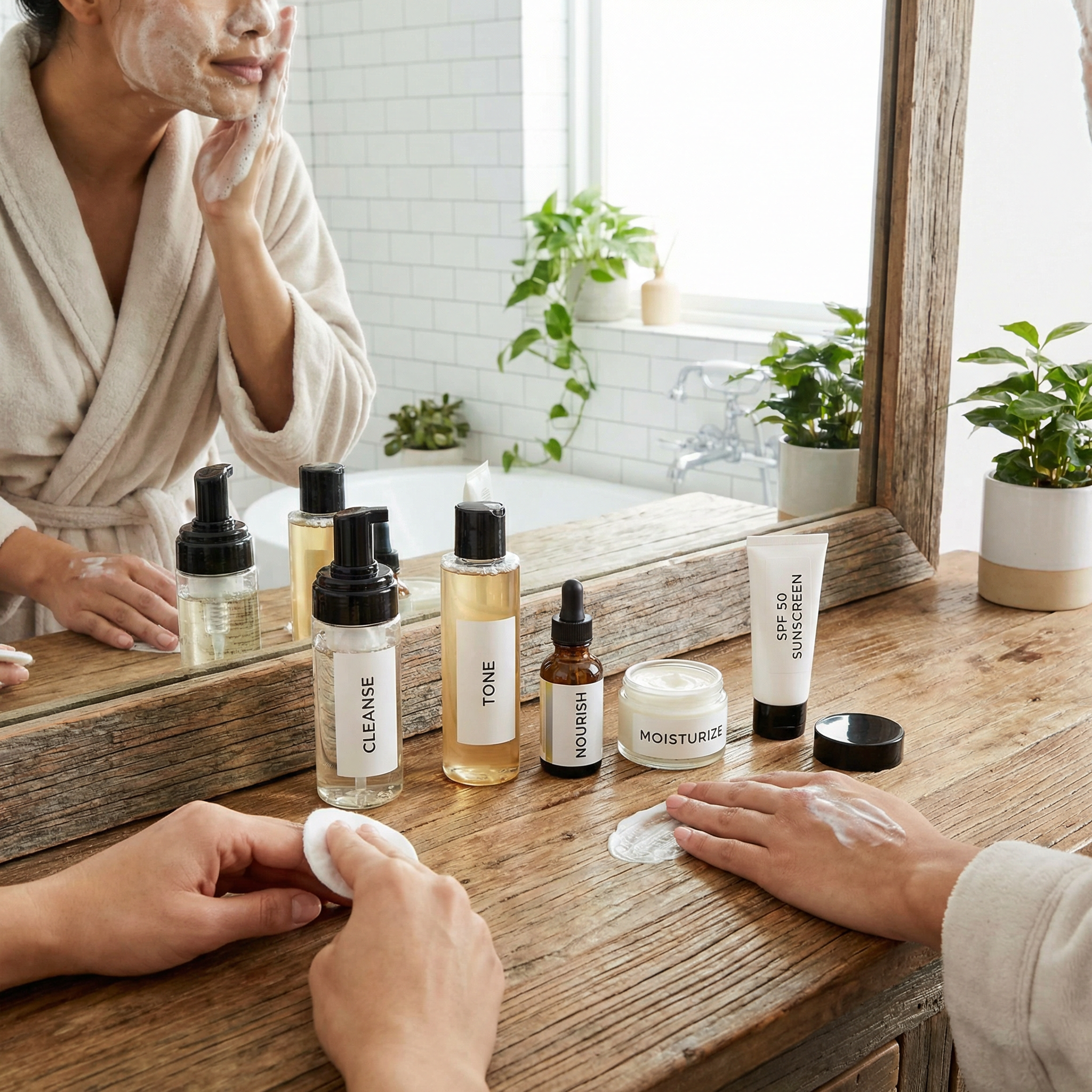
Customized cosmetic skin care routines address individual skin types, concerns, and treatment goals through personalized product and service recommendations. Professional skin assessments help identify concerns such as acne, dryness, fine lines, and sun damage, while treatment options vary. Because skin responds differently to certain ingredients and procedures, providers recommend routines based on individual characteristics and skincare needs. Here is more information about the role of a customized cosmetic skin care routine:
Assessing Your Unique Skin
A cosmetic skin care consultation begins with evaluating individual skin characteristics, concerns, and treatment goals. Estheticians examine skin texture, tone, and sensitivity, while discussing conditions such as acne, rosacea, or uneven pigmentation. Because skin types respond differently to products and treatments, assessments help guide personalized recommendations. Common factors reviewed during a skin assessment include:
- Identifying skin type as oily, dry, combination, or sensitive.
- Examining visible concerns such as fine lines, clogged pores, or discoloration.
- Reviewing current products to identify ingredients and possible irritation.
- Discussing previous reactions to cosmetic treatments or skincare products.
- Evaluating lifestyle factors such as sun exposure and environmental conditions.
Selecting Targeted Treatments
Cosmetic skin care varies based on individual concerns, skin characteristics, and desired outcomes. HydraFacial treatments combine cleansing, exfoliation, and hydration, while treatment settings may be adjusted for different skin needs. Because skin sensitivity varies, providers evaluate suitability before recommending specific procedures.
Microneedling involves creating controlled microinjuries in the skin to stimulate its natural repair response. This procedure may address uneven texture, acne scarring, and certain fine lines over multiple sessions. Providers review skin conditions and treatment history before determining whether microneedling is appropriate.
Chemical peels use exfoliating solutions to address concerns such as discoloration, uneven texture, and fine lines. Photofacial treatments use intense pulsed light to target selected pigmentation concerns, redness, and visible blood vessels. Treatment recommendations depend on skin type, medical history, and the specific concerns identified during consultation.
Combining Treatments Effectively
Combining cosmetic treatments may address multiple skin concerns through different procedures within a personalized treatment plan. Glass facials incorporate microneedling and selected skincare ingredients, while liquid facelifts combine dermal fillers with wrinkle-reducing injections. Because these procedures work differently, providers evaluate skin characteristics and treatment goals before recommending combinations.
Skin tightening treatments, including Venus Freeze, use radiofrequency technology to deliver controlled energy to targeted tissues. These procedures may be incorporated alongside facial treatments, depending on individual skin concerns and recommended recovery intervals. Providers review treatment compatibility and schedule procedures appropriately to account for skin sensitivity and healing requirements.
Maintaining Results At Home
A consistent home skincare routine supports skin health between professional cosmetic treatments. Products containing retinol, vitamin C, or hyaluronic acid may address concerns such as uneven texture, dryness, and environmental exposure. Retinol supports skin cell turnover, while hyaluronic acid helps maintain moisture and vitamin C provides antioxidant benefits. Because individual skin needs vary, providers recommend products based on skin type, sensitivity, and previous treatments. Daily sunscreen use also helps protect treated skin from ultraviolet exposure and additional sun damage.
Adjusting Routines Seasonally
Skin needs shift with the seasons, and a static routine rarely accounts for these changes. Cold, dry months often increase the need for deeper hydration, so clients may add richer moisturizers or schedule a hydrafacial to combat winter dryness. Warmer months, by contrast, bring higher sun exposure, which increases the importance of SPF and makes treatments like photofacials relevant for addressing resulting pigmentation.
Clogged pores and excess oil also become more common in humid conditions, so lighter products and regular exfoliation help manage these shifts. Reviewing a routine every few months, rather than keeping it fixed year-round, keeps it aligned with how skin actually behaves across changing conditions.
Schedule Your Cosmetic Skin Care Consultation
A consistent home skincare routine supports skin health between professional cosmetic treatments. Products containing retinol, vitamin C, or hyaluronic acid may address concerns such as uneven texture, dryness, and environmental exposure. Retinol supports skin cell turnover, while hyaluronic acid helps maintain moisture, and vitamin C provides antioxidant benefits. Because individual skin needs vary, providers recommend products based on skin type, sensitivity, and previous treatments. Daily sunscreen use also helps protect treated skin from ultraviolet exposure and additional sun damage.
- Understanding Challenges in Geriatric Care and How To Address Them
- How Sclerotherapy Is an Effective Solution for Treating Spider and Varicose Veins
- Who Benefits From Ankle Replacement Surgery
- Common Questions To Ask About Cataract Surgery
- Discovering Unique Omegle Alternatives for Diverse Interactions

