
• Cardiology
  • Dentistry
  • Elderly Care
gizmocrunchs.com
  • Gynecology
  • Urology
  • Blog
    • Pain Management
    • Podiatry
    • Nutrition
    • Women’s Health
    • Internal Medicine
    • Primary Care
Author

Richard

Richard

Key Tips When Learning How To Care for Your Dentures
Dentistry

Key Tips When Learning How To Care for Your Dentures

by Richard October 6, 2026
written by Richard

Dentures are custom prosthetics that replace missing teeth, and traditional dentures rest directly on the gums. Their acrylic base is shaped to fit the ridges of your mouth, and suction or a small amount of adhesive holds them in place. Snap-on dentures, also called implant-retained overdentures, attach to dental implants placed in the jawbone. Small connectors on the underside of the denture clip onto these implants for a more secure fit. Both types help you chew, speak clearly, and maintain the appearance of your smile. Here are some tips on how to care for your dentures:

Brush and Clean Them Daily

Dentures collect food particles and plaque throughout the day, much like natural teeth. This is why dental professionals recommend cleaning them at least once daily. To care for them, use a soft-bristled denture brush instead of a standard toothbrush. Regular toothpaste often contains abrasive ingredients that scratch acrylic surfaces; these scratches may allow stains and debris to build up in your prosthetic. Choose a nonabrasive denture paste or a cleanser labeled specifically for dentures.

When cleaning your prosthetic, hold it over a folded towel or a sink filled with water. This precaution reduces the chance of damage if they slip from your hands. Follow these steps for daily cleaning:

  1. Rinse Them: Remove your dentures and rinse them under lukewarm water to loosen food particles.
  2. Use a Denture Brush: Apply a denture cleanser to the brush.
  3. Clean the Prosthetic: Gently brush all surfaces, including the side that rests against your gums.
  4. Clean the Prosthetic: Clean carefully around any clasps or attachments.
  5. Rinse Thoroughly: Rinse the dentures thoroughly before wearing or soaking them.

Avoid hot water, as it can warp the base and change the fit of your oral appliance. If you wear snap-on dentures, pay close attention to the attachment housings on the underside. Your dentist can show you how to clean these areas without loosening the components.

Brush and Clean Your Gums

Denture care also includes the tissues that support them, so after removing your appliance, gently brush your gums with a soft-bristled toothbrush. A clean, damp cloth works well if a brush is too firm. Brush your tongue and the roof of your mouth to remove residue. If you still have natural teeth, brush them twice a day with fluoride toothpaste. Clean between them with floss or interdental brushes.

Give extra attention to teeth that hold partial denture clasps. For snap-on dentures, clean around each implant abutment. Your dentist may recommend a specific brush or water flosser designed for implants. Many dentists suggest removing dentures for several hours each day, and overnight is often the most convenient time.

Use Denture-cleansing Solution

Acrylic dentures can lose their shape when they dry out. A dry base may become brittle or warp slightly, which affects fit. For this reason, store your dentures in a moist environment whenever you are not wearing them.

Soak them overnight in a denture-cleansing solution or plain water, as your dentist advises. Cleansing solutions come in tablet, powder, or liquid form. They help loosen stains and residue that brushing may miss. Follow the manufacturer’s instructions for soaking time and water temperature.

Some solutions aren’t suitable for dentures with metal parts, so confirm with your dentist which product suits your denture type before use. Always rinse your dentures with water after soaking. Rinse your appliance thoroughly after using cleansing solutions, as they aren’t meant for your mouth, and leftover residue may taste unpleasant.

Learn More About Dentures

Brushing, cleaning your mouth, and storing dentures in solution take only a few minutes each day. This consistent daily care helps your oral appliance stay clean and fit properly. Regular dental checkups also let your dentist evaluate your dentures’ fit and the condition of your gums and jawbone. When needed, your dentist can adjust, reline, or replace your prosthesis. If you have questions about traditional or snap-on options, contact a dental practice that specializes in these oral prosthetics.

  • Understanding Challenges in Geriatric Care and How To Address Them
  • How Sclerotherapy Is an Effective Solution for Treating Spider and Varicose Veins
  • Who Benefits From Ankle Replacement Surgery
  • Common Questions To Ask About Cataract Surgery
  • Discovering Unique Omegle Alternatives for Diverse Interactions
October 6, 2026 0 comments
0 FacebookTwitterPinterestEmail
Benefits of Botox for Men
Blog

Benefits of Botox for Men

by Richard October 5, 2026
written by Richard

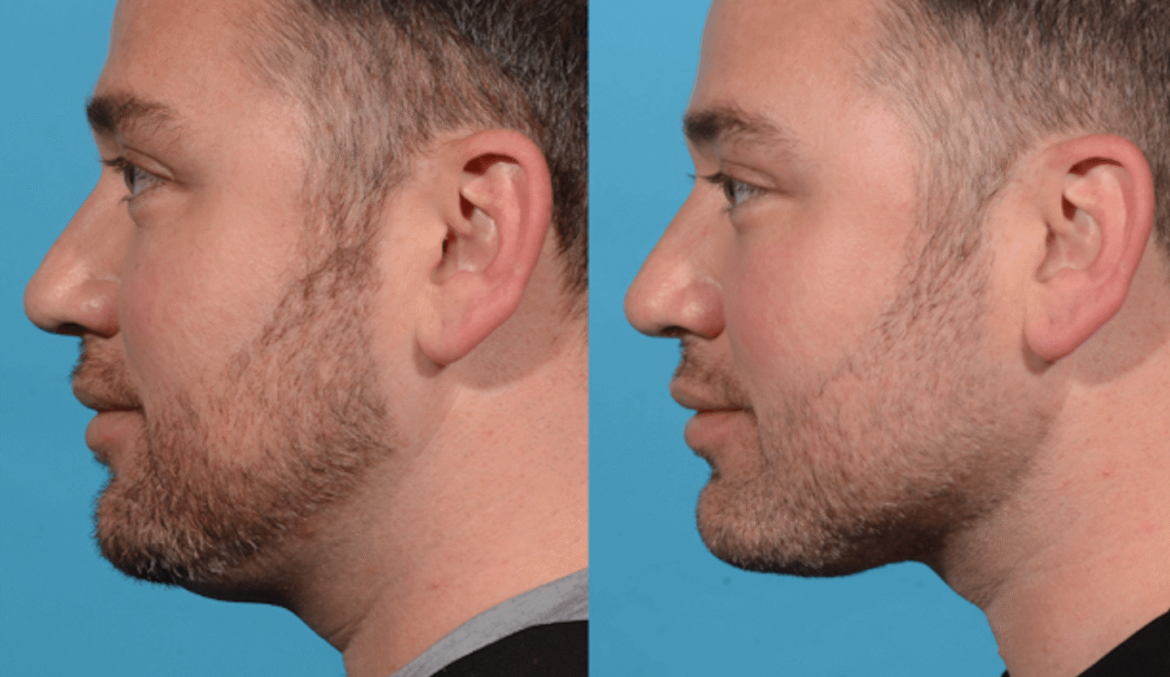
Botox is a nonsurgical cosmetic treatment commonly used to soften the appearance of facial lines caused by repeated muscle movement. It may address concerns such as forehead lines, frown lines, and crow’s feet while maintaining a natural appearance. Here is an overview of the benefits of Botox for men:

How Does Botox Work?

Facial muscles contract each time you frown, squint, or raise your eyebrows. Over time, these repeated movements create creases in the skin, and the creases may stay visible even at rest. A provider injects small amounts of Botox into targeted muscles to limit this movement. Results generally appear over a few weeks and last three to four months.

Men often have thicker skin and stronger facial muscles than women. Providers account for this difference when they plan the dosage, so the treatment suits male facial structure. Botox does not add volume; providers may recommend dermal fillers for areas with volume loss.

What Benefits Does Botox Offer?

Botox offers several practical benefits for men who want subtle changes. The following benefits reflect common reasons men choose this treatment, and individual results vary:

  • Softer expression lines: Botox relaxes the muscles behind forehead lines, frown lines, and crow’s feet, reducing their appearance.
  • Quick appointments: Most sessions take a few minutes, so treatment can fit into a lunch break.
  • Minimal downtime: Most men return to work and daily routines right after treatment.
  • Natural-looking results: A skilled provider adjusts placement and dosage to keep masculine features and normal expression intact.
  • No surgery required: The treatment uses fine needles instead of incisions, and it does not require general anesthesia.

What Happens During Treatment?

Knowing the Botox process can help you prepare for each stage. A regular visit includes a consultation, the injections, and brief aftercare instructions. Each stage becomes simple when you follow your provider’s directions.

Before Your Appointment

Your provider reviews your medical history, current medications, and treatment goals during the consultation. Share any use of blood thinners or supplements, as these may increase the chance of bruising. Arrive with a clean face so the provider can mark injection sites accurately.

After Your Appointment

Mild redness or small bumps may appear at injection sites, but these usually fade within a few hours. Stay upright for about four hours, and avoid rubbing the treated area. Providers often advise skipping strenuous exercise for 24 hours so the product stays in the intended muscles. Schedule a follow-up visit if you want the provider to assess your results.

What Factors Should You Review?

Provider qualifications are a fundamental factor in your results. Choose a licensed professional who has specific experience treating men. Ask to see before-and-after photos, and confirm the clinic uses authentic and approved products. A provider who regularly treats male patients will understand how to maintain a strong brow line. Maintenance also deserves attention. Results are temporary, so you may need to schedule repeat sessions every three to four months.

Schedule Your Botox Appointment

Botox offers men a practical way to refine their appearance with subtle and natural-looking results. Choosing an experienced provider makes sure treatments are tailored to your goals, while understanding maintenance and scheduling helps you plan effectively for long-term results. Contact a modern medical spa near you to schedule your Botox appointment today.

  • Understanding Challenges in Geriatric Care and How To Address Them
  • How Sclerotherapy Is an Effective Solution for Treating Spider and Varicose Veins
  • Who Benefits From Ankle Replacement Surgery
  • Common Questions To Ask About Cataract Surgery
  • Discovering Unique Omegle Alternatives for Diverse Interactions

October 5, 2026 0 comments
0 FacebookTwitterPinterestEmail
How Sciatica Can Affect Sleep and Daily Function
Blog

How Sciatica Can Affect Sleep and Daily Function

by Richard October 5, 2026
written by Richard

Sciatica causes pain, numbness, tingling, or weakness that travels from the lower back into the buttock and leg. These symptoms may make it harder to sleep comfortably, sit or stand for long periods, walk, exercise, or complete routine daily activities. Here’s more information on how sciatica can affect sleep and daily function:

Sleep Positions and Nighttime Discomfort

Sciatica often becomes more noticeable at night. When a person lies still, pressure on the lower back and hips shifts, and the pain often changes in intensity. The following are factors that commonly influence nighttime comfort.

Adjusting Sleep Position

Some sleep positions place more strain on the lower back than others. Lying on your stomach arches the spine, which may increase pressure on irritated areas. Some people find that side sleeping with a pillow between the knees keeps the hips and spine aligned. Others prefer lying on the back with a pillow under the knees, which can reduce tension in the lower back.

Managing Nighttime Symptoms

Fewer distractions at night often make pain sensations more noticeable. A mattress that sags or feels too firm often adds to discomfort, and turning over in bed can trigger sudden leg pain. When pain repeatedly interrupts sleep, a person may wake up tired, which affects focus and energy the next day.

Movement and Physical Limitations

Sciatica can limit how freely a person moves. Bending forward, lifting objects, or twisting the torso may provoke pain that shoots down the leg. Some people shorten their stride or shift their weight to one side when they walk; these changes can create stiffness in other areas over time. Sitting and standing for long periods can also cause problems. Prolonged sitting may increase pressure on the lower back, while standing in one place often leads to aching in the hips and legs.

Work and Everyday Activities

The physical limits of sciatica often extend into work. Desk workers may struggle to sit through long meetings, and people with physically demanding jobs often find lifting, carrying, or kneeling difficult. When pain disrupts concentration, tasks take longer to finish, which may affect productivity. Household responsibilities can also become difficult. Vacuuming, doing laundry, gardening, and carrying groceries all involve bending and lifting. Some people adjust their routines or ask others for help.

Symptom Management

Adjustments to daily habits may help some people manage sciatica symptoms. These strategies do not replace a professional evaluation, but they support comfort during routine activities. A pain management specialist can help determine which approaches fit a person’s specific condition. Here are some tips that can help manage symptoms:

  • Change positions often: Stand up and walk briefly every few minutes to reduce strain from prolonged sitting.
  • Use supportive seating: A chair with lower back support helps keep the spine in a neutral position.
  • Lift with your legs: Bending at the knees and holding objects close to your body limits stress on your lower back.
  • Adjust the sleep setup: Pillows placed between or under the knees help maintain spinal alignment.
  • Track symptoms: Noting when pain increases, what triggers it, and how long it lasts gives a specialist useful information.

A specialist may ask how pain affects sleep, work, and movement, and clear notes make these answers more precise.

Learn More About Managing Sciatica

Sciatica disrupts sleep, limits movement, and makes work and household tasks harder. Sleep position, prolonged sitting, and repetitive bending often play a key role in how symptoms appear throughout the day. Habit changes may help some people, but a professional evaluation can clarify the underlying cause. Contact a qualified pain management specialist near you to book your appointment and learn more about managing sciatica today.

  • Understanding Challenges in Geriatric Care and How To Address Them
  • How Sclerotherapy Is an Effective Solution for Treating Spider and Varicose Veins
  • Who Benefits From Ankle Replacement Surgery
  • Common Questions To Ask About Cataract Surgery
  • Discovering Unique Omegle Alternatives for Diverse Interactions
October 5, 2026 0 comments
0 FacebookTwitterPinterestEmail
The Impact of Gum Disease on Your Smile
Dentistry

The Impact of Gum Disease on Your Smile

by Richard October 4, 2026
written by Richard

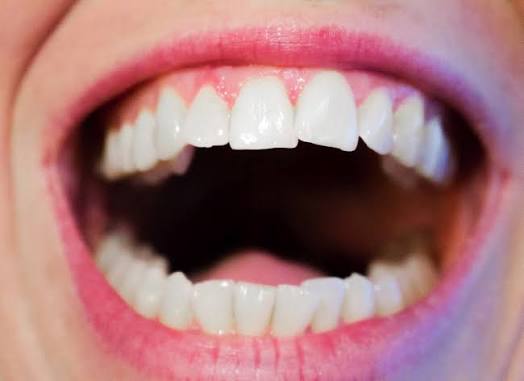
Gum disease is a common condition that affects the tissues surrounding and supporting the teeth. The early stages often develop without pain, so people may be unaware of the condition until it has progressed. Understanding how this disease forms, as well as how it impacts one’s oral health, can help you make informed decisions about your oral health.

What Is Gum Disease?

Gum disease, also called periodontal disease, is an infection and inflammation of the gums, ligaments, and bone that hold the teeth in place. It typically begins with plaque, a sticky film of bacteria that forms on the teeth throughout the day. When brushing and flossing do not remove plaque, it can harden into tartar; this generally requires a professional cleaning to remove.

Gum disease usually progresses in two main stages. Gingivitis involves inflammation of the gum tissue without damage to the supporting bone. If left unaddressed, gingivitis may advance to periodontitis. The gums can pull away from the teeth in this stage and form spaces called pockets. These pockets collect bacteria, and this may lead to the gradual breakdown of bone and tissue. Factors that can raise the risk of periodontal disease include tobacco use, diabetes, hormonal changes, and inconsistent oral hygiene.

What Are the Symptoms?

Gum disease does not always produce noticeable symptoms, particularly in its early stages. Bleeding gums are one of the most frequently reported early signs. Some people assume bleeding results from brushing too firmly, but it can indicate inflammation of the gum tissue. Other symptoms include:

  • Gums that are red or swollen
  • Gums that bleed during brushing or flossing
  • Breath that is bad
  • Gums that appear to be pulling away from the teeth
  • Teeth that are loose
  • Discomfort when chewing

Routine dental visits also allow a professional to identify changes that may not be visible at home.

How Is It Treated?

Treatment for gum disease depends on the stage of the condition and the health of the supporting tissue and bone. The general goal is to control inflammation, and it aims to support the health of the gums. For gingivitis, treatment can begin with a professional cleaning to remove plaque and tartar from above and below the gumline. A dental professional may also recommend adjustments to your daily routine, such as improved brushing technique, daily flossing, or an antimicrobial mouth rinse.

For periodontitis, a common nonsurgical approach is scaling and root planing. Scaling removes tartar and bacteria from the tooth surfaces and from within the gum pockets. Root planing smooths the root surfaces, and this can help reduce gum recession. Providers may use a local anesthetic during the procedure. When gum disease has advanced further, a provider can recommend surgical options.  Some practices also offer laser-assisted periodontal therapy, which uses focused light energy to remove diseased tissue and bacteria.

Meet With a Periodontist

A periodontist is a dentist who focuses on the prevention, diagnosis, and treatment of gum disease. During a periodontal evaluation, the periodontist may measure the depth of the spaces between the teeth and gums. After active treatment is complete, patients can move to a periodontal maintenance schedule. Ongoing maintenance may help support long-term gum health, and a periodontist will evaluate your condition and discuss the options available to you.

  • Understanding Challenges in Geriatric Care and How To Address Them
  • How Sclerotherapy Is an Effective Solution for Treating Spider and Varicose Veins
  • Who Benefits From Ankle Replacement Surgery
  • Common Questions To Ask About Cataract Surgery
  • Discovering Unique Omegle Alternatives for Diverse Interactions

October 4, 2026 0 comments
0 FacebookTwitterPinterestEmail
What Patients Should Know About Regular Dermatology Visits
Blog

What Patients Should Know About Regular Dermatology Visits

by Richard October 3, 2026
written by Richard

The skin faces daily exposure to sunlight, temperature shifts, allergens, and microorganisms, so it can develop a wide variety of changes over a person’s lifetime. Some of these changes are minor and resolve on their own, while others may benefit from professional evaluation. Dermatology is the branch of medicine devoted to this part of the body.

What Is Dermatology?

Dermatology is a medical specialty, and it focuses on diagnosing and managing conditions of the skin, hair, and nails. Its care may also include certain mucous membranes. Physicians who practice in this specialty are known as dermatologists, some of whom are also surgeons.

What Does It Treat?

Dermatologists evaluate and manage a broad range of conditions. Acne, eczema, psoriasis, and rosacea are among the most frequently seen concerns. Acne develops when pores become clogged, and it may appear as blackheads, small bumps, or deeper cysts. Eczema is often associated with dry, itchy patches, while psoriasis commonly presents as thick, scaly areas of skin. Rosacea typically involves facial redness and visible blood vessels. Other concerns they generally treat vary, including:

  • Hair and Scalp Concerns: Alopecia, or hair loss, can stem from genetics, hormonal shifts, stress, or immune system activity.
  • Nail Changes: Discoloration, thickening, and fungal growth may all prompt an evaluation.
  • Infections: The skin can develop bacterial, viral, and fungal infections, such as warts and athlete’s foot.
  • Disorders Related to Pigment: Melasma, vitiligo, and dark spots that remain after inflammation all affect skin color and evenness of tone.

A dermatologist may also treat both skin growths. Malignant growths include basal cell carcinoma, squamous cell carcinoma, and melanoma.

What Should You Expect?

Dermatology services span diagnosis, medical care, and cosmetic procedures. A visit can begin with a visual skin exam. When more information is needed, a dermatologist may perform a biopsy, which involves removing a small tissue sample for laboratory analysis. Blood work or other lab tests also help to clarify a diagnosis; skin and blood tests can help identify substances that contribute to rashes, hives, or other reactions. Depending on the condition, a dermatologist may recommend one or more of the following options:

  • Topical treatments, such as prescription gels and ointments applied directly to the skin
  • Oral medications, including antibiotics or antifungals
  • Injectable treatments delivered into a specific area of the skin or scalp
  • Extreme cold to freeze and remove warts and certain growths
  • Platelet-rich plasma (PRP), which uses components of a patient’s own blood and is sometimes applied to hair loss or skin rejuvenation

Aesthetic services address concerns related to appearance. Laser therapies may target pigmentation, scars, and unwanted hair. Chemical peels exfoliate the outer layers of skin, and dermaplaning removes dead skin cells. Dermal fillers add volume to specific areas, while neurotoxins relax targeted facial muscles. Dermatologists can also provide recommendations on daily routines and potential triggers to avoid.

Meet With a Dermatologist

Meeting with a dermatologist provides an opportunity to discuss current concerns and learn about the options available for skin, hair, and nail health. An initial dermatology appointment can include a review of medical history, current medications, and the skincare products in use. A full-body skin exam may include areas that are difficult to see without assistance, such as the scalp, the back, and the soles of the feet. Some conditions require more than one appointment, and follow-up visits allow the dermatologist to assess progress and adjust the care plan as needed.

  • Understanding Challenges in Geriatric Care and How To Address Them
  • How Sclerotherapy Is an Effective Solution for Treating Spider and Varicose Veins
  • Who Benefits From Ankle Replacement Surgery
  • Common Questions To Ask About Cataract Surgery
  • Discovering Unique Omegle Alternatives for Diverse Interactions
October 3, 2026 0 comments
0 FacebookTwitterPinterestEmail
How to Choose the Right Color for Your Veneers
Dentistry

How to Choose the Right Color for Your Veneers

by Richard October 3, 2026
written by Richard

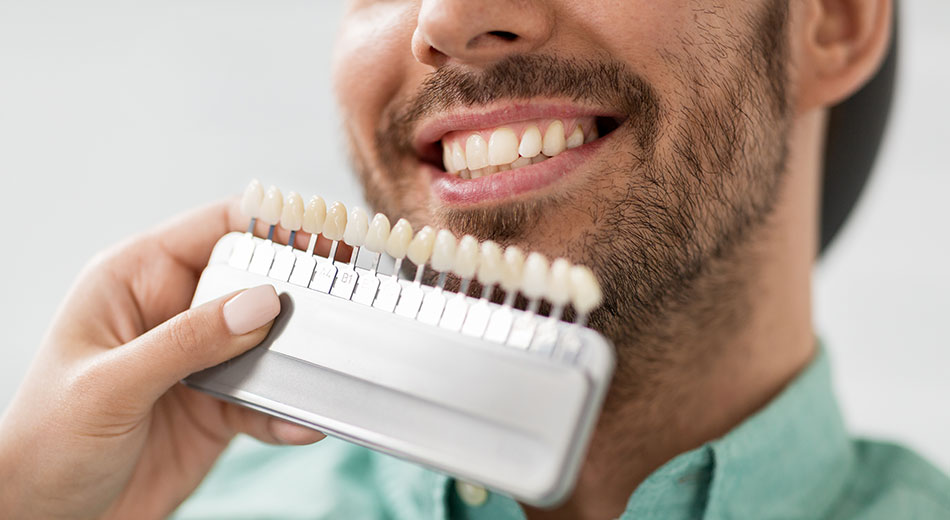
Choosing the right veneer color can create a natural-looking smile that complements your skin tone, facial features, and surrounding teeth. Factors such as tooth brightness and overall shade should be reviewed before treatment. Here is more information on how to choose the right color for your veneers:

Match Your Natural Coloring

Your skin tone, hair color, and eye color all influence how veneers appear in everyday light. A shade that complements your features tends to blend in, while a mismatched tone can stand out against your face. Warmer skin tones often pair well with slightly warmer shades, while cooler tones may suit a lighter color. When you review these elements together, you build a strong foundation for a natural-looking result. Lighting also affects how color reads, and the same shade can look different in diverse settings. A dentist typically checks the shade under several light sources so you can see how it performs in varied settings.

Evaluate Smile Goals

Your goals guide your color choice, and defining them early makes the decision easier. Some people want a subtle correction that brings their smile closer to its natural state, while others prefer a brighter and more noticeable change. Knowing your priorities helps your dentist match the right shade to the right outcome. Contemplate the following goals when planning color for your veneers:

  • Natural enhancement: A shade close to your existing tooth color corrects minor flaws without a dramatic shift, keeping the result understated and believable.
  • Uniform smile: A more consistent shade creates a polished appearance across all visible teeth, while still looking proportionate to your features.
  • Correction of discoloration: Veneers can mask deep staining that whitening cannot address, and the chosen shade supports even and natural coverage.
  • Closing gaps or reshaping: When veneers correct gaps or uneven shapes, the color selection works alongside the form to produce a seamless overall look.

Review Shade and Translucency

Shade and translucency work together to produce a realistic appearance, and both deserve careful attention. Shade refers to the base color of veneers, while translucency describes how light passes through the material. Natural teeth allow some light to filter through, which gives them depth. When these two elements are balanced well, veneers can closely mimic that quality.

Before finalizing a shade, ask your dentist about a sample or mock-up. Some practices offer a trial stage where you can preview the proposed color against your lips and gums. This preview is a key step, and it gives you a clear picture of the result before you commit.

Plan for Long-Term Appearance

Veneers hold their color well over time, but the surrounding teeth can change shade. Planning for these changes early helps keep your smile consistent over time.

Assess Daily Habits

Coffee, tea, wine, and tobacco can gradually stain your natural teeth, which may create a contrast with your veneers. Regular professional cleanings help slow this process and maintain an even appearance across your smile. It is helpful to contemplate these habits before you settle on a final shade.

Choose Lasting Shades

A conservative shade often ages more gracefully than a very bright one, though the best option depends on your goals. Discuss long-term maintenance with your dentist and set realistic expectations for how your smile may change. This planning is a fundamental part of making a choice you will be satisfied with over time.

Schedule Your Veneers Appointment Today

Choosing the right color for your veneers comes down to a few fundamental decisions. Match the shade to your natural coloring, define your smile goals, and review shade and translucency before you commit. You should also plan for long-term changes so your veneer color stays consistent with your surrounding teeth. Contact a qualified dentist near you to schedule your veneers appointment today.

  • Understanding Challenges in Geriatric Care and How To Address Them
  • How Sclerotherapy Is an Effective Solution for Treating Spider and Varicose Veins
  • Who Benefits From Ankle Replacement Surgery
  • Common Questions To Ask About Cataract Surgery
  • Discovering Unique Omegle Alternatives for Diverse Interactions

October 3, 2026 0 comments
0 FacebookTwitterPinterestEmail
The Role of Personalized Hormone Replacement Therapy Plans
Blog

The Role of Personalized Hormone Replacement Therapy Plans

by Richard October 3, 2026
written by Richard

For many women, menopause typically occurs between the ages of 45 and 55. During this transition, the ovaries gradually produce less estrogen and progesterone. Men also experience a gradual decline in testosterone with age, and this can begin in their 30s. Hormone replacement therapy (HRT) is one approach healthcare providers may discuss when hormone levels shift.

What Is Hormone Replacement Therapy?

Hormone replacement therapy is a prescription treatment that supplements hormones the body no longer produces in sufficient amounts. A healthcare provider decides whether HRT is appropriate, and they can determine which hormones, doses, and delivery methods suit each person’s needs. HRT generally falls into a few main categories, including:

  • Estrogen-only therapy: This form can be prescribed for individuals who have had a hysterectomy.
  • Combined Estrogen and Progestogen Therapy: Providers may prescribe this combination for individuals who still have a uterus.
  • Testosterone-based Therapy: This form is typically prescribed for men with clinically low testosterone levels.

Bioidentical hormones have a chemical structure identical to the hormones the human body produces. A healthcare provider can explain the differences between the options available.

What Does It Address?

Healthcare providers may discuss HRT for a range of conditions, and it is used to address several symptoms linked to changes in hormone levels. The most common is the menopausal transition, which includes perimenopause, the stage leading up to menopause. Symptoms associated with this transition can include:

  • Night sweats and hot flashes
  • Sleep disturbances
  • Dryness or discomfort affecting the vagina
  • Changes in mood or concentration
  • Menstrual cycles that are irregular during perimenopause

Declining estrogen levels are associated with changes in bone density, so providers may also review hormone therapy in connection with bone health. For men, providers can evaluate HRT when blood tests confirm low testosterone, a condition known as hypogonadism. Symptoms associated with low testosterone may include reduced energy, decreased libido, changes in muscle mass, and shifts in mood.

What Should You Expect?

The HRT process typically begins with a comprehensive evaluation. A healthcare provider can review your medical history, family history, current medications, and symptoms. A physical examination and blood tests may follow to measure hormone levels, and this helps a physician assess your overall health. If you decide to move forward with hormone replacement, the provider creates a treatment plan.

Some individuals notice changes within a few weeks, and others need several months. Side effects can occur as the body adapts. Patients are encouraged to report any side effects to their provider, who may modify the treatment plan.

Follow-up appointments are a standard part of HRT. Providers can schedule an initial follow-up after treatment begins and then regular check-ins afterward; these visits may include repeat blood work and routine health screenings. The length of treatment varies from person to person. When stopping HRT, providers often recommend a gradual reduction in dose.

Consult a Medical Professional

HRT is not appropriate for everyone. Factors such as age and the amount of time since menopause began may influence a provider’s recommendations. For individuals who are not candidates for HRT, providers can discuss other treatment options. A healthcare provider will assess your individual needs, and they may explain whether hormone replacement therapy or another option suits your health goals.

  • Understanding Challenges in Geriatric Care and How To Address Them
  • How Sclerotherapy Is an Effective Solution for Treating Spider and Varicose Veins
  • Who Benefits From Ankle Replacement Surgery
  • Common Questions To Ask About Cataract Surgery
  • Discovering Unique Omegle Alternatives for Diverse Interactions

October 3, 2026 0 comments
0 FacebookTwitterPinterestEmail
Exploring Therapies for Managing Vertigo
Blog

Exploring Therapies for Managing Vertigo

by Richard October 2, 2026
written by Richard

Vertigo or severe dizziness creates a spinning sensation that may stem from problems involving the inner ear or brain. Diagnostic testing evaluates possible causes, while treatment options include medication, physical therapy, and vestibular rehabilitation. Because treatment depends on the underlying cause, providers use examination findings and test results to guide the treatment plan. Here is more information about therapies for managing vertigo: 

Identifying Common Causes 

Vertigo may originate from the inner ear or brain. Peripheral vertigo involves the inner ear, while central vertigo relates to conditions affecting the brain. Benign paroxysmal positional vertigo often causes peripheral vertigo, and changes in head position might trigger symptoms. Other conditions associated with severe dizziness include:

  • Benign paroxysmal positional vertigo
  • Meniere’s disease
  • Labyrinthitis
  • Migraines
  • Seizures
  • Multiple sclerosis
  • Stroke
  • Arrhythmia
  • Head injuries
  • Tumors

Certain medications, alcohol consumption, and prolonged bed rest may also contribute to severe dizziness. Because possible causes vary, providers review medical history and symptoms before determining whether additional testing is appropriate. Diagnostic findings provide further information about the possible source of vertigo.

Diagnosing the Root Cause

Diagnosing vertigo begins with a medical evaluation. Providers review symptoms and medical history, while physical and neurological examinations provide additional information about possible causes. Because severe dizziness has several potential sources, further testing may follow the initial examination.

Electronystagmography, or ENG, measures involuntary eye movements. The test can provide information about balance and inner ear concerns, while results help providers evaluate possible sources of severe dizziness. Findings from ENG become part of the broader diagnostic evaluation.

An electroencephalogram, or EEG, measures electrical activity in the brain. Providers might use this test when evaluating neurological causes, including possible seizure activity. Blood tests and imaging studies may also provide additional diagnostic information. When combined with examination findings, these tests help providers determine the possible cause and guide treatment decisions.

Treating Vertigo with Therapy

Vertigo treatment depends on its underlying cause. Physical therapy is able to address balance concerns, while medication therapy may target symptoms associated with certain conditions. Vestibular rehabilitation uses specialized exercises to address balance and coordination. Because treatment needs vary, providers select therapies according to diagnostic findings and individual symptoms.

Surgery might become appropriate when a structural condition contributes to severe dizziness. Brain tumors or certain neck injuries can require surgical treatment, while other causes involve nonsurgical approaches. A provider reviews the underlying condition before discussing whether surgery belongs in the treatment plan.

Knowing When to Seek Help

Severe dizziness does not always require medical treatment. Sudden, recurring, or worsening symptoms are able to warrant evaluation, while a neurological examination can provide information about possible causes. Because severe dizziness has several potential sources, a neurologist might review symptom patterns, medical history, and examination findings. Medical evaluation provides guidance about diagnosis and appropriate treatment options.

Schedule Your Consultation Today

Vertigo may interfere with balance and daily activities. Treatment options vary, and the appropriate approach depends on the underlying cause. Because vertigo might involve the inner ear or brain, an evaluation provides information for developing an individualized treatment plan. Schedule a vertigo evaluation today to discuss your symptoms and available treatment options.

  • Understanding Challenges in Geriatric Care and How To Address Them
  • How Sclerotherapy Is an Effective Solution for Treating Spider and Varicose Veins
  • Who Benefits From Ankle Replacement Surgery
  • Common Questions To Ask About Cataract Surgery
  • Discovering Unique Omegle Alternatives for Diverse Interactions

October 2, 2026 0 comments
0 FacebookTwitterPinterestEmail
What To Expect During Your First Urgent Care Visit
Urgent Care

What To Expect During Your First Urgent Care Visit

by Richard October 2, 2026
written by Richard

Urgent care centers treat anyone who needs prompt medical attention for nonlife-threatening conditions. Common reasons to visit include minor cuts, sprains, animal bites, fevers, colds, and injuries from minor car accidents. A hospital emergency room is still the appropriate choice for severe or life-threatening symptoms, including difficulty breathing, signs of a stroke, severe bleeding, and loss of consciousness. Many urgent healthcare centers accept walk-in patients during extended hours, even during the evenings and weekends. Here’s what to expect during your first urgent care visit for different situations:

What To Expect for Animal Bites

At check-in, urgent care staff typically ask for a photo ID, an insurance card, and a list of your current medications. When you arrive with an animal bite, staff will ask questions about the incident. They will ask what type of animal bit you and whether it was a pet, a stray, or a wild animal. Staff will also ask when and where the bite occurred.

If the animal that bit you is a pet, you may be asked whether its owner can confirm its rabies vaccination status. Your provider will also want to know the date of your last tetanus shot, if possible. A medical provider will then examine the wound to assess its depth and location. Treatment often includes cleaning and irrigating the wound, applying a dressing, or, in some cases, closing it with sutures.

Depending on the circumstances, your provider can discuss antibiotics, a tetanus booster, or rabies post-exposure treatment. Many states require providers to report certain animal bites, so staff may record details about the animal and the incident location. Before you leave, you will receive at-home wound-care instructions and advice on any necessary follow-up visits.

What To Expect for Motor Vehicle Accident Care

After a car accident, some people visit urgent care to have minor injuries evaluated. Staff will ask how the accident happened, where you were seated, and whether you wore a seat belt. They may also ask whether the airbags deployed and where you feel pain. Some injuries don’t cause symptoms right away, but specialists will ask about stiffness, headaches, or soreness that developed after the accident. Bring your insurance information and any details from the accident report.

A provider will perform a physical exam, usually focusing on the head, neck, back, and limbs. Many urgent care centers have on-site X-ray equipment to check for possible fractures. Treatment may include wound care, splinting, or pain management recommendations. If your provider finds signs of a more serious injury, they may refer you to a hospital or orthopedic specialist.

What To Expect for Colds

Fevers and colds are common acute illnesses that urgent care centers treat. To diagnose your condition, medical staff will first record your vital signs, including temperature, heart rate, blood pressure, and oxygen level. They will ask when your symptoms started and whether they have changed, so discuss key topics like:

  • Your Recent Travels
  • Your Contact With Sick People
  • Your Chronic Health Conditions

A provider will examine your ears, nose, throat, and lungs to help determine your illness. Depending on your symptoms, they may perform a rapid test for strep throat, influenza, or COVID-19. Rapid test results are often available within minutes, but some samples may be sent to an outside lab. Your provider will review the results with you and explain the next steps, most often prescription medication, over-the-counter options, rest, or fluids. You will also receive guidance on symptoms that call for a return visit or a trip to the emergency room.

Find an Urgent Care Facility

Urgent care centers offer a convenient option for many non-life-threatening illnesses and injuries, but before your visit, gather key information. Bring your photo ID, insurance card, medication list, and relevant medical history so providers can understand your situation. To plan ahead before an emergency even occurs, look into urgent care facilities near you. This helps you know where to go, and you can often check in online or view current wait times on their websites. Call ahead to confirm hours, accepted insurance plans, and available services such as X-rays or lab testing.

  • Understanding Challenges in Geriatric Care and How To Address Them
  • How Sclerotherapy Is an Effective Solution for Treating Spider and Varicose Veins
  • Who Benefits From Ankle Replacement Surgery
  • Common Questions To Ask About Cataract Surgery
  • Discovering Unique Omegle Alternatives for Diverse Interactions

October 2, 2026 0 comments
0 FacebookTwitterPinterestEmail
Strategies and Therapy Services for Addressing Anxiety
Blog

Strategies and Therapy Services for Addressing Anxiety

by Richard October 2, 2026
written by Richard

Anxiety is a common mental health concern, and it affects adults of every age. People may feel nervous or uneasy from time to time, such as before a job interview. For some individuals, anxious feelings become frequent, intense, or difficult to manage, and they can begin to affect work, relationships, and daily routines. Therapy services offer a structured way to address these concerns with the guidance of a mental health professional.

What Is Anxiety?

Anxiety refers to the mind and body’s response to a perceived source of stress, and it can involve a sense of worry, tension, or apprehension. An anxiety disorder differs from occasional worry. With a disorder, anxious feelings may be persistent and appear without a clear cause. Anxiety can affect both emotional and physical well-being. People may notice:

  • Worry that is ongoing or difficulty controlling anxious thoughts
  • Restlessness, irritability, or trouble concentrating
  • Heartbeat that is rapid, shortness of breath, or muscle tension
  • Sleep disturbances, such as difficulty falling or staying asleep
  • Avoidance of certain places, people, or situations

Mental health professionals can treat several forms of anxiety disorders.

How Is It Treated?

Therapists use a range of evidence-based approaches to address anxiety. The therapy services chosen often depend on the type of anxiety, as well as the individual’s goals and their personal preferences. Anxiety disorders are commonly treated through therapy, medication, or a combination of both. A mental health professional will help you understand your options, and they can recommend an approach that fits your needs and goals.

Therapy

Working with a therapist gives you a space to explore your thoughts, feelings, and behaviors. Through regular sessions, a therapist can help you develop practical skills to manage anxiety and change unhelpful thinking patterns. The type of therapy recommended will depend on your specific symptoms and personal preferences. Some may start to notice results within a few months, and others benefit from longer-term support.

Medication Management

For some people, medication plays a role in managing anxiety. A psychiatrist will evaluate your symptoms, and they may determine whether medication is appropriate for you. Medication can be used alongside therapy to support overall treatment. Your care team will work with you to build a treatment plan that is tailored to your situation, helping you move toward improved well-being at a pace that feels manageable.

What Should You Expect?

The first session may focus on gathering information. Your therapist will ask about your current concerns, and your medical history, daily habits, and personal background can be discussed. You may also complete a brief questionnaire. This assessment helps the therapist understand your needs, and they can recommend an appropriate approach.

Some approaches, such as CBT, may include practice exercises to complete between appointments. The length of therapy varies from person to person. Some individuals attend sessions for a few months, and others continue for a longer period. Your therapist will review your progress over time and adjust the treatment plan as needed.

Seek Professional Therapy Services

A common guideline is to reach out for professional support when anxious feelings occur regularly for several weeks or begin to interfere with work, school, relationships, or self-care. A primary care provider can be a helpful starting point; they are able to review your overall health and provide a referral to a mental health professional. Therapy may be coordinated with other forms of care in some cases, such as medication management through a psychiatrist.

  • Understanding Challenges in Geriatric Care and How To Address Them
  • How Sclerotherapy Is an Effective Solution for Treating Spider and Varicose Veins
  • Who Benefits From Ankle Replacement Surgery
  • Common Questions To Ask About Cataract Surgery
  • Discovering Unique Omegle Alternatives for Diverse Interactions

October 2, 2026 0 comments
0 FacebookTwitterPinterestEmail
Newer Posts
Older Posts

Recent Posts

  • Understanding Challenges in Geriatric Care and How To Address Them
  • How Sclerotherapy Is an Effective Solution for Treating Spider and Varicose Veins
  • Who Benefits From Ankle Replacement Surgery
  • Common Questions To Ask About Cataract Surgery
  • Discovering Unique Omegle Alternatives for Diverse Interactions

Recent Comments

No comments to show.

Keep in touch

Facebook Twitter Instagram Pinterest Linkedin Youtube

Recent Posts

  • Understanding Challenges in Geriatric Care and How To Address Them

  • How Sclerotherapy Is an Effective Solution for Treating Spider and Varicose Veins

  • Who Benefits From Ankle Replacement Surgery

  • Common Questions To Ask About Cataract Surgery

  • Discovering Unique Omegle Alternatives for Diverse Interactions

  • Exploring the Benefits of Plastic Surgery

Newsletter

Categories

  • Allergy & Immunology (3)
  • Blog (78)
  • Cardiology (4)
  • Chiropractic Care (1)
  • Dentistry (14)
  • Elderly Care (2)
  • ENT (1)
  • Gynecology (9)
  • Ophthalmology (2)
  • Pain Management (5)
  • Pediatric Care (1)
  • Physical Therapy (2)
  • Podiatry (10)
  • Primary Care (2)
  • Sexual Health (1)
  • Sleep Health (1)
  • Urgent Care (2)
  • Urology (3)
  • Weight Management (1)
  • Women's Health (3)
Gizmocrunch.com
  • Gizmocrunch.com
  • About Us
  • Privacy Policy
  • Contact Us
Ryantylerofficial91@gmail.com
  • Categories
    • Cardiology
    • Dentistry
    • Elderly Care
    • Gynecology
    • Urology
    • Blog HOT
    • Podiatry hot
Editors' Picks
Understanding Challenges in Geriatric Care and How To Address...
How Sclerotherapy Is an Effective Solution for Treating Spider...

@2026 – All Right Reserved. Gizmocrunchs.com

Facebook-f Twitter Youtube Tiktok Linkedin-in
gizmocrunchs.com
  • Cardiology
  • Dentistry
  • Elderly Care
gizmocrunchs.com
  • Gynecology
  • Urology
  • Blog
    • Pain Management
    • Podiatry
    • Nutrition
    • Women’s Health
    • Internal Medicine
    • Primary Care