• Cardiology
  • Dentistry
  • Elderly Care
gizmocrunchs.com
  • Gynecology
  • Urology
  • Blog
    • Pain Management
    • Podiatry
    • Nutrition
    • Women’s Health
    • Internal Medicine
    • Primary Care
Category:

Blog

Understanding the Different Types of Lip Fillers Available
Blog

Understanding the Different Types of Lip Fillers Available

by Richard October 13, 2026
written by Richard

Lip fillers are a cosmetic treatment for patients seeking fuller, more defined lips. Medspas offer several formulations, and each differs in composition, longevity, and texture. Because each filler suits different aesthetic goals, understanding these distinctions helps patients make an informed choice. Here is more information on the main categories of lip fillers, how they work, and the benefits that each type provides:

What Are Lip Fillers?

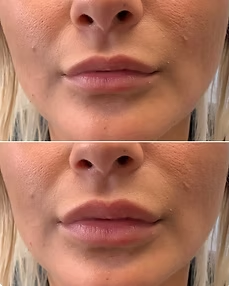
Lip fillers are injectable treatments that add volume, shape, or definition to the lips, and a licensed medical professional administers them in a medspa. Patients may choose fillers over surgical options because the procedure is minimally invasive and requires little to no downtime. Results last anywhere from several months to over a year, depending on the formulation used.

What Are the Different Types?

Lip filler formulations use several substances, each with distinct properties. Patients should discuss these options with a provider to determine which aligns with their goals.

  • Hyaluronic acid: A naturally occurring substance in the body that binds water molecules to create volume and hydration.
  • Polymethylmethacrylate (PMMA): A synthetic, long-lasting filler often combined with collagen.
  • Calcium hydroxylapatite: A mineral-based filler that stimulates collagen production while adding immediate volume.
  • Poly-L-lactic acid: A biostimulatory filler that gradually encourages the body to produce its own collagen over time.

Providers evaluate a patient’s lip structure, goals, and medical history before recommending a specific type.

How Do They Work?

Providers inject lip fillers into targeted areas of the lips using a fine needle. Once the filler is injected, the material integrates with the surrounding tissue, creating volume, structure, or smoothness depending on the formulation. Hyaluronic acid fillers attract and retain water, producing an immediate plumping effect. Poly-L-lactic acid works differently; because it triggers the body’s own collagen production, results may emerge gradually rather than instantly.

The injection process may be completed in 30 minutes. A topical numbing agent is applied beforehand to minimize discomfort, and patients may tolerate the procedure well. When the procedure is complete, patients may experience swelling and mild bruising as part of the normal healing process. They typically resolve within a few days.

What Are the Benefits?

Lip fillers offer several advantages for patients who are looking to enhance their appearance without surgery. The treatment is relatively quick. It requires minimal recovery time, and it produces results that can be customized to individual preferences. Since providers can adjust the amount and placement of the filler, outcomes range from subtle enhancement to more noticeable volume.

When patients have access to multiple formulations, they should work with their healthcare providers to choose the option that meets their needs. Patients seeking temporary, adjustable results may prefer hyaluronic acid, while those looking for longer-lasting changes benefit from calcium hydroxylapatite or PMMA. Poly-L-lactic acid helps patients seeking a gradual transformation that is supported by natural collagen growth. This flexibility lets providers tailor treatment plans to each patient’s anatomy and aesthetic goals.

Visit a Medspa Today

Choosing the right lip filler depends on a patient’s goals and lip anatomy; hyaluronic acid, PMMA, calcium hydroxylapatite, and poly-L-lactic acid each offer distinct benefits. A consultation with a licensed provider allows for a personalized assessment and treatment recommendation. If you are exploring your options, schedule a consultation at a medspa near you. A qualified provider can answer your questions and help you achieve natural-looking results tailored to your unique features.

  • Understanding Challenges in Geriatric Care and How To Address Them
  • How Sclerotherapy Is an Effective Solution for Treating Spider and Varicose Veins
  • Who Benefits From Ankle Replacement Surgery
  • Common Questions To Ask About Cataract Surgery
  • Discovering Unique Omegle Alternatives for Diverse Interactions

October 13, 2026 0 comments
0 FacebookTwitterPinterestEmail
How a Water Purification System Can Enhance Your Drinking Water Quality
Blog

How a Water Purification System Can Enhance Your Drinking Water Quality

by Richard October 10, 2026
written by Richard

Water entering your home may contain microorganisms, dissolved compounds, suspended particles, minerals, and substances that can affect taste and odor. A water purification system uses different treatments to address these distinct water-quality conditions. Multi-stage designs combine ceramic filtration, catalytic carbon, specialized resins, and coconut-shell carbon, with each material targeting different contaminants throughout the treatment process. Here is how a water purification system can enhance your drinking water quality:

Filtering Common Water Contaminants

A multi-stage point-of-use purifier uses microfiltration and adsorbent materials for drinking and cooking water. A submicron ceramic stage filters contaminants such as Cryptosporidium, Giardia lamblia cysts, Escherichia coli (E. coli), Salmonella, and pathogenic bacteria. The ceramic structure also stops particulate matter as water passes through the fine-pore barrier. A catalytic carbon block combines with advanced resins in a separate treatment stage, and the materials can reduce or remove specific chemical substances, such as:

  • Per- and polyfluoroalkyl substances (PFAS) and microplastics
  • Trihalomethanes (THMs), pesticides, chlorine, and chloramine
  • Heavy metals, mercury, cadmium, and lead
  • Herbicides, chloroform, and volatile organic compounds (VOCs)
  • Fluoride, arsenic, sulfides, glyphosate, and nitrates
  • Methyl tert-butyl ether (MTBE) and benzene, toluene, ethylbenzene, and xylenes (BTEX)

Improving Taste and Odor

Chlorine and chloramine affect the taste and smell of drinking water, and a water purification system uses activated carbon to reduce these compounds during purification. The carbon and resin stage also reduces unwanted flavor, odors, and color in treated water. These reductions improve the flavor, smell, and appearance of purified water.

Compressed coconut-shell carbon follows the carbon and resin stage, removing odors and clarifying the water. The material also improves flavor as water passes through the final carbon stage. This stage removes remaining contaminants after earlier filtration stages.

Whole-house filtration reduces chlorine in water entering the home’s plumbing, improving overall water quality throughout the household supply. Point-of-use filtration supports drinking and cooking applications through countertop and under-counter configurations. Purified water also supports food preparation and beverages, including coffee, tea, soups, and other foods prepared with water.

Retaining Beneficial Water Minerals

Water purification reduces specified contaminants while calcium and magnesium remain in the treated water. These minerals contribute to total dissolved solids (TDS), which refers to dissolved material present in water. TDS readings still reflect these minerals after filtration because they remain dissolved in the treated water. Point-of-use filtration allows calcium and magnesium to pass through the filtration media. The treatment stages reduce specified substances while preserving these naturally occurring minerals. Mineral content remains in the water while contaminants are reduced. Whole-house magnetic-field conditioning retains naturally occurring minerals and maintains balanced pH. The technology uses salt-free operation and requires no electrical power.

Reducing Scale and Water Residue

Scale forms when hard-water minerals accumulate on plumbing components and household surfaces. Mineral buildup can restrict water flow through plumbing, while deposits inside appliances can affect their performance over time. A water purification system with composite conditioning material prevents scale formation and gives treated water a softer feel.

The conditioning process also reduces spotting on household surfaces and mineral buildup on pipes and appliances. A separate saltless water conditioner addresses calcium, magnesium, sulfates, phosphates, and silica. These substances fall within the conditioner’s treatment range. The system maintains the treated water supply while the conditioning process targets specified hard-water minerals throughout the home.

Install a Water Purification System

Professional water-purification services evaluate household water and identify the contaminants or conditions requiring attention when installing a water purification system. Point-of-use systems filter water at selected outlets, while whole-house systems filter water entering the household plumbing. Installation services connect the selected system to the required water supply and household fixtures. Contact a water-purification service to arrange an assessment and discuss available options for your household water supply.

  • Understanding Challenges in Geriatric Care and How To Address Them
  • How Sclerotherapy Is an Effective Solution for Treating Spider and Varicose Veins
  • Who Benefits From Ankle Replacement Surgery
  • Common Questions To Ask About Cataract Surgery
  • Discovering Unique Omegle Alternatives for Diverse Interactions

October 10, 2026 0 comments
0 FacebookTwitterPinterestEmail
The Benefits of Sports Medicine in Youth Athletics
Blog

The Benefits of Sports Medicine in Youth Athletics

by Richard October 9, 2026
written by Richard

Sports medicine focuses on the physical health of active people, and it covers injury prevention, diagnosis, and treatment. When young athletes train year-round, their growing bodies face repeated stress on bones, joints, and muscles. A sports medicine team looks at these demands through the lens of a developing body. Here are some of the benefits of these services in youth athletics:

Identified Root Cause of Pain

Many young athletes push through pain, and parents may blame normal soreness. Since children are still growing, their injuries do not always look like adult injuries. Growth plates, tendons, and developing joints each respond differently to stress. Pain that changes how a child moves needs a closer look.

When a sports medicine provider evaluates knee pain, they look beyond the sore spot. They may check hip strength, foot mechanics, and running form. Imaging may help in some cases, but a hands-on exam often guides the next step. This approach targets the source of the problem instead of only the symptom.

Sports-specific Training

Each sport places different demands on the body, and training plans reflect those differences. Since a pitcher repeats the same throwing motion, shoulder and elbow care gets extra attention. A distance runner faces a different set of risks. Sports-specific programs may include:

  • Pitch counts and arm care for baseball and softball players
  • Drills for soccer and basketball players
  • Mileage planning for cross-country runners
  • Flexibility and core work for gymnasts and dancers

When young athletes play one sport all year, overuse injuries can become an issue. Rest periods matter, and some athletes benefit from playing more than one sport. A specialist may help your family plan a balanced season.

Improved Performance

Sports medicine also looks at how young athletes move. If an athlete has limited ankle mobility, their jump or sprint mechanics may suffer. A provider may spot the restriction, and a therapist may then build a plan to address it. These small changes may add up over a season.

While every athlete differs, some areas get attention during a performance assessment. Providers test strength on each side of the body, and they compare the results. Imbalances between legs often show up in soccer and basketball players.

Nutrition and sleep affect performance too, so many sports medicine teams discuss these habits. Young athletes need enough calories to fuel both growth and training. When intake falls short, fatigue and stress injuries may become more likely.

Regenerative Options

Regenerative medicine aims to support the body’s own healing process. Since research in children remains limited, some options appear less often in younger patients. Providers weigh the athlete’s age and injury type, and they explain the evidence behind each choice. Not every injury requires a regenerative treatment. Options a provider may discuss include:

  • Platelet-rich plasma (PRP) injections for certain tendon injuries
  • Targeted physical therapy to rebuild tissue strength
  • Adjusted activity changes and structured rest plans
  • Protective bracing or taping to aid healing tissue

Find a Sports Medicine Specialist

If your child has pain that lasts more than a week, schedule an evaluation. Look for a medical provider with training in pediatric or adolescent sports medicine. Ask about their experience with your child’s sport, and bring notes about training hours and symptoms. Clear details help the provider tailor a plan to your child.

  • Understanding Challenges in Geriatric Care and How To Address Them
  • How Sclerotherapy Is an Effective Solution for Treating Spider and Varicose Veins
  • Who Benefits From Ankle Replacement Surgery
  • Common Questions To Ask About Cataract Surgery
  • Discovering Unique Omegle Alternatives for Diverse Interactions
October 9, 2026 0 comments
0 FacebookTwitterPinterestEmail
Benefits of Botox for Men
Blog

Benefits of Botox for Men

by Richard October 5, 2026
written by Richard

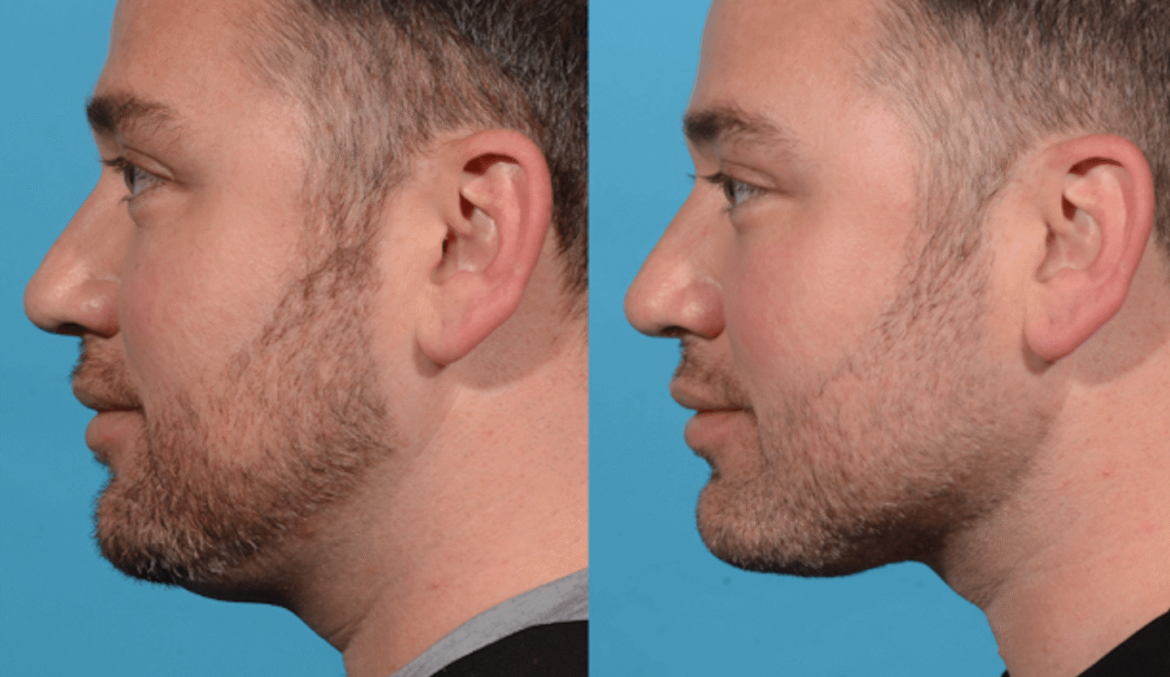
Botox is a nonsurgical cosmetic treatment commonly used to soften the appearance of facial lines caused by repeated muscle movement. It may address concerns such as forehead lines, frown lines, and crow’s feet while maintaining a natural appearance. Here is an overview of the benefits of Botox for men:

How Does Botox Work?

Facial muscles contract each time you frown, squint, or raise your eyebrows. Over time, these repeated movements create creases in the skin, and the creases may stay visible even at rest. A provider injects small amounts of Botox into targeted muscles to limit this movement. Results generally appear over a few weeks and last three to four months.

Men often have thicker skin and stronger facial muscles than women. Providers account for this difference when they plan the dosage, so the treatment suits male facial structure. Botox does not add volume; providers may recommend dermal fillers for areas with volume loss.

What Benefits Does Botox Offer?

Botox offers several practical benefits for men who want subtle changes. The following benefits reflect common reasons men choose this treatment, and individual results vary:

  • Softer expression lines: Botox relaxes the muscles behind forehead lines, frown lines, and crow’s feet, reducing their appearance.
  • Quick appointments: Most sessions take a few minutes, so treatment can fit into a lunch break.
  • Minimal downtime: Most men return to work and daily routines right after treatment.
  • Natural-looking results: A skilled provider adjusts placement and dosage to keep masculine features and normal expression intact.
  • No surgery required: The treatment uses fine needles instead of incisions, and it does not require general anesthesia.

What Happens During Treatment?

Knowing the Botox process can help you prepare for each stage. A regular visit includes a consultation, the injections, and brief aftercare instructions. Each stage becomes simple when you follow your provider’s directions.

Before Your Appointment

Your provider reviews your medical history, current medications, and treatment goals during the consultation. Share any use of blood thinners or supplements, as these may increase the chance of bruising. Arrive with a clean face so the provider can mark injection sites accurately.

After Your Appointment

Mild redness or small bumps may appear at injection sites, but these usually fade within a few hours. Stay upright for about four hours, and avoid rubbing the treated area. Providers often advise skipping strenuous exercise for 24 hours so the product stays in the intended muscles. Schedule a follow-up visit if you want the provider to assess your results.

What Factors Should You Review?

Provider qualifications are a fundamental factor in your results. Choose a licensed professional who has specific experience treating men. Ask to see before-and-after photos, and confirm the clinic uses authentic and approved products. A provider who regularly treats male patients will understand how to maintain a strong brow line. Maintenance also deserves attention. Results are temporary, so you may need to schedule repeat sessions every three to four months.

Schedule Your Botox Appointment

Botox offers men a practical way to refine their appearance with subtle and natural-looking results. Choosing an experienced provider makes sure treatments are tailored to your goals, while understanding maintenance and scheduling helps you plan effectively for long-term results. Contact a modern medical spa near you to schedule your Botox appointment today.

  • Understanding Challenges in Geriatric Care and How To Address Them
  • How Sclerotherapy Is an Effective Solution for Treating Spider and Varicose Veins
  • Who Benefits From Ankle Replacement Surgery
  • Common Questions To Ask About Cataract Surgery
  • Discovering Unique Omegle Alternatives for Diverse Interactions

October 5, 2026 0 comments
0 FacebookTwitterPinterestEmail
How Sciatica Can Affect Sleep and Daily Function
Blog

How Sciatica Can Affect Sleep and Daily Function

by Richard October 5, 2026
written by Richard

Sciatica causes pain, numbness, tingling, or weakness that travels from the lower back into the buttock and leg. These symptoms may make it harder to sleep comfortably, sit or stand for long periods, walk, exercise, or complete routine daily activities. Here’s more information on how sciatica can affect sleep and daily function:

Sleep Positions and Nighttime Discomfort

Sciatica often becomes more noticeable at night. When a person lies still, pressure on the lower back and hips shifts, and the pain often changes in intensity. The following are factors that commonly influence nighttime comfort.

Adjusting Sleep Position

Some sleep positions place more strain on the lower back than others. Lying on your stomach arches the spine, which may increase pressure on irritated areas. Some people find that side sleeping with a pillow between the knees keeps the hips and spine aligned. Others prefer lying on the back with a pillow under the knees, which can reduce tension in the lower back.

Managing Nighttime Symptoms

Fewer distractions at night often make pain sensations more noticeable. A mattress that sags or feels too firm often adds to discomfort, and turning over in bed can trigger sudden leg pain. When pain repeatedly interrupts sleep, a person may wake up tired, which affects focus and energy the next day.

Movement and Physical Limitations

Sciatica can limit how freely a person moves. Bending forward, lifting objects, or twisting the torso may provoke pain that shoots down the leg. Some people shorten their stride or shift their weight to one side when they walk; these changes can create stiffness in other areas over time. Sitting and standing for long periods can also cause problems. Prolonged sitting may increase pressure on the lower back, while standing in one place often leads to aching in the hips and legs.

Work and Everyday Activities

The physical limits of sciatica often extend into work. Desk workers may struggle to sit through long meetings, and people with physically demanding jobs often find lifting, carrying, or kneeling difficult. When pain disrupts concentration, tasks take longer to finish, which may affect productivity. Household responsibilities can also become difficult. Vacuuming, doing laundry, gardening, and carrying groceries all involve bending and lifting. Some people adjust their routines or ask others for help.

Symptom Management

Adjustments to daily habits may help some people manage sciatica symptoms. These strategies do not replace a professional evaluation, but they support comfort during routine activities. A pain management specialist can help determine which approaches fit a person’s specific condition. Here are some tips that can help manage symptoms:

  • Change positions often: Stand up and walk briefly every few minutes to reduce strain from prolonged sitting.
  • Use supportive seating: A chair with lower back support helps keep the spine in a neutral position.
  • Lift with your legs: Bending at the knees and holding objects close to your body limits stress on your lower back.
  • Adjust the sleep setup: Pillows placed between or under the knees help maintain spinal alignment.
  • Track symptoms: Noting when pain increases, what triggers it, and how long it lasts gives a specialist useful information.

A specialist may ask how pain affects sleep, work, and movement, and clear notes make these answers more precise.

Learn More About Managing Sciatica

Sciatica disrupts sleep, limits movement, and makes work and household tasks harder. Sleep position, prolonged sitting, and repetitive bending often play a key role in how symptoms appear throughout the day. Habit changes may help some people, but a professional evaluation can clarify the underlying cause. Contact a qualified pain management specialist near you to book your appointment and learn more about managing sciatica today.

  • Understanding Challenges in Geriatric Care and How To Address Them
  • How Sclerotherapy Is an Effective Solution for Treating Spider and Varicose Veins
  • Who Benefits From Ankle Replacement Surgery
  • Common Questions To Ask About Cataract Surgery
  • Discovering Unique Omegle Alternatives for Diverse Interactions

October 5, 2026 0 comments
0 FacebookTwitterPinterestEmail
What Patients Should Know About Regular Dermatology Visits
Blog

What Patients Should Know About Regular Dermatology Visits

by Richard October 3, 2026
written by Richard

The skin faces daily exposure to sunlight, temperature shifts, allergens, and microorganisms, so it can develop a wide variety of changes over a person’s lifetime. Some of these changes are minor and resolve on their own, while others may benefit from professional evaluation. Dermatology is the branch of medicine devoted to this part of the body.

What Is Dermatology?

Dermatology is a medical specialty, and it focuses on diagnosing and managing conditions of the skin, hair, and nails. Its care may also include certain mucous membranes. Physicians who practice in this specialty are known as dermatologists, some of whom are also surgeons.

What Does It Treat?

Dermatologists evaluate and manage a broad range of conditions. Acne, eczema, psoriasis, and rosacea are among the most frequently seen concerns. Acne develops when pores become clogged, and it may appear as blackheads, small bumps, or deeper cysts. Eczema is often associated with dry, itchy patches, while psoriasis commonly presents as thick, scaly areas of skin. Rosacea typically involves facial redness and visible blood vessels. Other concerns they generally treat vary, including:

  • Hair and Scalp Concerns: Alopecia, or hair loss, can stem from genetics, hormonal shifts, stress, or immune system activity.
  • Nail Changes: Discoloration, thickening, and fungal growth may all prompt an evaluation.
  • Infections: The skin can develop bacterial, viral, and fungal infections, such as warts and athlete’s foot.
  • Disorders Related to Pigment: Melasma, vitiligo, and dark spots that remain after inflammation all affect skin color and evenness of tone.

A dermatologist may also treat both skin growths. Malignant growths include basal cell carcinoma, squamous cell carcinoma, and melanoma.

What Should You Expect?

Dermatology services span diagnosis, medical care, and cosmetic procedures. A visit can begin with a visual skin exam. When more information is needed, a dermatologist may perform a biopsy, which involves removing a small tissue sample for laboratory analysis. Blood work or other lab tests also help to clarify a diagnosis; skin and blood tests can help identify substances that contribute to rashes, hives, or other reactions. Depending on the condition, a dermatologist may recommend one or more of the following options:

  • Topical treatments, such as prescription gels and ointments applied directly to the skin
  • Oral medications, including antibiotics or antifungals
  • Injectable treatments delivered into a specific area of the skin or scalp
  • Extreme cold to freeze and remove warts and certain growths
  • Platelet-rich plasma (PRP), which uses components of a patient’s own blood and is sometimes applied to hair loss or skin rejuvenation

Aesthetic services address concerns related to appearance. Laser therapies may target pigmentation, scars, and unwanted hair. Chemical peels exfoliate the outer layers of skin, and dermaplaning removes dead skin cells. Dermal fillers add volume to specific areas, while neurotoxins relax targeted facial muscles. Dermatologists can also provide recommendations on daily routines and potential triggers to avoid.

Meet With a Dermatologist

Meeting with a dermatologist provides an opportunity to discuss current concerns and learn about the options available for skin, hair, and nail health. An initial dermatology appointment can include a review of medical history, current medications, and the skincare products in use. A full-body skin exam may include areas that are difficult to see without assistance, such as the scalp, the back, and the soles of the feet. Some conditions require more than one appointment, and follow-up visits allow the dermatologist to assess progress and adjust the care plan as needed.

  • Understanding Challenges in Geriatric Care and How To Address Them
  • How Sclerotherapy Is an Effective Solution for Treating Spider and Varicose Veins
  • Who Benefits From Ankle Replacement Surgery
  • Common Questions To Ask About Cataract Surgery
  • Discovering Unique Omegle Alternatives for Diverse Interactions

October 3, 2026 0 comments
0 FacebookTwitterPinterestEmail
The Role of Personalized Hormone Replacement Therapy Plans
Blog

The Role of Personalized Hormone Replacement Therapy Plans

by Richard October 3, 2026
written by Richard

For many women, menopause typically occurs between the ages of 45 and 55. During this transition, the ovaries gradually produce less estrogen and progesterone. Men also experience a gradual decline in testosterone with age, and this can begin in their 30s. Hormone replacement therapy (HRT) is one approach healthcare providers may discuss when hormone levels shift.

What Is Hormone Replacement Therapy?

Hormone replacement therapy is a prescription treatment that supplements hormones the body no longer produces in sufficient amounts. A healthcare provider decides whether HRT is appropriate, and they can determine which hormones, doses, and delivery methods suit each person’s needs. HRT generally falls into a few main categories, including:

  • Estrogen-only therapy: This form can be prescribed for individuals who have had a hysterectomy.
  • Combined Estrogen and Progestogen Therapy: Providers may prescribe this combination for individuals who still have a uterus.
  • Testosterone-based Therapy: This form is typically prescribed for men with clinically low testosterone levels.

Bioidentical hormones have a chemical structure identical to the hormones the human body produces. A healthcare provider can explain the differences between the options available.

What Does It Address?

Healthcare providers may discuss HRT for a range of conditions, and it is used to address several symptoms linked to changes in hormone levels. The most common is the menopausal transition, which includes perimenopause, the stage leading up to menopause. Symptoms associated with this transition can include:

  • Night sweats and hot flashes
  • Sleep disturbances
  • Dryness or discomfort affecting the vagina
  • Changes in mood or concentration
  • Menstrual cycles that are irregular during perimenopause

Declining estrogen levels are associated with changes in bone density, so providers may also review hormone therapy in connection with bone health. For men, providers can evaluate HRT when blood tests confirm low testosterone, a condition known as hypogonadism. Symptoms associated with low testosterone may include reduced energy, decreased libido, changes in muscle mass, and shifts in mood.

What Should You Expect?

The HRT process typically begins with a comprehensive evaluation. A healthcare provider can review your medical history, family history, current medications, and symptoms. A physical examination and blood tests may follow to measure hormone levels, and this helps a physician assess your overall health. If you decide to move forward with hormone replacement, the provider creates a treatment plan.

Some individuals notice changes within a few weeks, and others need several months. Side effects can occur as the body adapts. Patients are encouraged to report any side effects to their provider, who may modify the treatment plan.

Follow-up appointments are a standard part of HRT. Providers can schedule an initial follow-up after treatment begins and then regular check-ins afterward; these visits may include repeat blood work and routine health screenings. The length of treatment varies from person to person. When stopping HRT, providers often recommend a gradual reduction in dose.

Consult a Medical Professional

HRT is not appropriate for everyone. Factors such as age and the amount of time since menopause began may influence a provider’s recommendations. For individuals who are not candidates for HRT, providers can discuss other treatment options. A healthcare provider will assess your individual needs, and they may explain whether hormone replacement therapy or another option suits your health goals.

  • Understanding Challenges in Geriatric Care and How To Address Them
  • How Sclerotherapy Is an Effective Solution for Treating Spider and Varicose Veins
  • Who Benefits From Ankle Replacement Surgery
  • Common Questions To Ask About Cataract Surgery
  • Discovering Unique Omegle Alternatives for Diverse Interactions

October 3, 2026 0 comments
0 FacebookTwitterPinterestEmail
Exploring Therapies for Managing Vertigo
Blog

Exploring Therapies for Managing Vertigo

by Richard October 2, 2026
written by Richard

Vertigo or severe dizziness creates a spinning sensation that may stem from problems involving the inner ear or brain. Diagnostic testing evaluates possible causes, while treatment options include medication, physical therapy, and vestibular rehabilitation. Because treatment depends on the underlying cause, providers use examination findings and test results to guide the treatment plan. Here is more information about therapies for managing vertigo: 

Identifying Common Causes 

Vertigo may originate from the inner ear or brain. Peripheral vertigo involves the inner ear, while central vertigo relates to conditions affecting the brain. Benign paroxysmal positional vertigo often causes peripheral vertigo, and changes in head position might trigger symptoms. Other conditions associated with severe dizziness include:

  • Benign paroxysmal positional vertigo
  • Meniere’s disease
  • Labyrinthitis
  • Migraines
  • Seizures
  • Multiple sclerosis
  • Stroke
  • Arrhythmia
  • Head injuries
  • Tumors

Certain medications, alcohol consumption, and prolonged bed rest may also contribute to severe dizziness. Because possible causes vary, providers review medical history and symptoms before determining whether additional testing is appropriate. Diagnostic findings provide further information about the possible source of vertigo.

Diagnosing the Root Cause

Diagnosing vertigo begins with a medical evaluation. Providers review symptoms and medical history, while physical and neurological examinations provide additional information about possible causes. Because severe dizziness has several potential sources, further testing may follow the initial examination.

Electronystagmography, or ENG, measures involuntary eye movements. The test can provide information about balance and inner ear concerns, while results help providers evaluate possible sources of severe dizziness. Findings from ENG become part of the broader diagnostic evaluation.

An electroencephalogram, or EEG, measures electrical activity in the brain. Providers might use this test when evaluating neurological causes, including possible seizure activity. Blood tests and imaging studies may also provide additional diagnostic information. When combined with examination findings, these tests help providers determine the possible cause and guide treatment decisions.

Treating Vertigo with Therapy

Vertigo treatment depends on its underlying cause. Physical therapy is able to address balance concerns, while medication therapy may target symptoms associated with certain conditions. Vestibular rehabilitation uses specialized exercises to address balance and coordination. Because treatment needs vary, providers select therapies according to diagnostic findings and individual symptoms.

Surgery might become appropriate when a structural condition contributes to severe dizziness. Brain tumors or certain neck injuries can require surgical treatment, while other causes involve nonsurgical approaches. A provider reviews the underlying condition before discussing whether surgery belongs in the treatment plan.

Knowing When to Seek Help

Severe dizziness does not always require medical treatment. Sudden, recurring, or worsening symptoms are able to warrant evaluation, while a neurological examination can provide information about possible causes. Because severe dizziness has several potential sources, a neurologist might review symptom patterns, medical history, and examination findings. Medical evaluation provides guidance about diagnosis and appropriate treatment options.

Schedule Your Consultation Today

Vertigo may interfere with balance and daily activities. Treatment options vary, and the appropriate approach depends on the underlying cause. Because vertigo might involve the inner ear or brain, an evaluation provides information for developing an individualized treatment plan. Schedule a vertigo evaluation today to discuss your symptoms and available treatment options.

  • Understanding Challenges in Geriatric Care and How To Address Them
  • How Sclerotherapy Is an Effective Solution for Treating Spider and Varicose Veins
  • Who Benefits From Ankle Replacement Surgery
  • Common Questions To Ask About Cataract Surgery
  • Discovering Unique Omegle Alternatives for Diverse Interactions

October 2, 2026 0 comments
0 FacebookTwitterPinterestEmail
Strategies and Therapy Services for Addressing Anxiety
Blog

Strategies and Therapy Services for Addressing Anxiety

by Richard October 2, 2026
written by Richard

Anxiety is a common mental health concern, and it affects adults of every age. People may feel nervous or uneasy from time to time, such as before a job interview. For some individuals, anxious feelings become frequent, intense, or difficult to manage, and they can begin to affect work, relationships, and daily routines. Therapy services offer a structured way to address these concerns with the guidance of a mental health professional.

What Is Anxiety?

Anxiety refers to the mind and body’s response to a perceived source of stress, and it can involve a sense of worry, tension, or apprehension. An anxiety disorder differs from occasional worry. With a disorder, anxious feelings may be persistent and appear without a clear cause. Anxiety can affect both emotional and physical well-being. People may notice:

  • Worry that is ongoing or difficulty controlling anxious thoughts
  • Restlessness, irritability, or trouble concentrating
  • Heartbeat that is rapid, shortness of breath, or muscle tension
  • Sleep disturbances, such as difficulty falling or staying asleep
  • Avoidance of certain places, people, or situations

Mental health professionals can treat several forms of anxiety disorders.

How Is It Treated?

Therapists use a range of evidence-based approaches to address anxiety. The therapy services chosen often depend on the type of anxiety, as well as the individual’s goals and their personal preferences. Anxiety disorders are commonly treated through therapy, medication, or a combination of both. A mental health professional will help you understand your options, and they can recommend an approach that fits your needs and goals.

Therapy

Working with a therapist gives you a space to explore your thoughts, feelings, and behaviors. Through regular sessions, a therapist can help you develop practical skills to manage anxiety and change unhelpful thinking patterns. The type of therapy recommended will depend on your specific symptoms and personal preferences. Some may start to notice results within a few months, and others benefit from longer-term support.

Medication Management

For some people, medication plays a role in managing anxiety. A psychiatrist will evaluate your symptoms, and they may determine whether medication is appropriate for you. Medication can be used alongside therapy to support overall treatment. Your care team will work with you to build a treatment plan that is tailored to your situation, helping you move toward improved well-being at a pace that feels manageable.

What Should You Expect?

The first session may focus on gathering information. Your therapist will ask about your current concerns, and your medical history, daily habits, and personal background can be discussed. You may also complete a brief questionnaire. This assessment helps the therapist understand your needs, and they can recommend an appropriate approach.

Some approaches, such as CBT, may include practice exercises to complete between appointments. The length of therapy varies from person to person. Some individuals attend sessions for a few months, and others continue for a longer period. Your therapist will review your progress over time and adjust the treatment plan as needed.

Seek Professional Therapy Services

A common guideline is to reach out for professional support when anxious feelings occur regularly for several weeks or begin to interfere with work, school, relationships, or self-care. A primary care provider can be a helpful starting point; they are able to review your overall health and provide a referral to a mental health professional. Therapy may be coordinated with other forms of care in some cases, such as medication management through a psychiatrist.

  • Understanding Challenges in Geriatric Care and How To Address Them
  • How Sclerotherapy Is an Effective Solution for Treating Spider and Varicose Veins
  • Who Benefits From Ankle Replacement Surgery
  • Common Questions To Ask About Cataract Surgery
  • Discovering Unique Omegle Alternatives for Diverse Interactions

October 2, 2026 0 comments
0 FacebookTwitterPinterestEmail
Understanding the Fat Grafting Process for Body Enhancement
Blog

Understanding the Fat Grafting Process for Body Enhancement

by Richard October 2, 2026
written by Richard

Fat grafting moves fat from one body area to another, and surgeons often use it for breast volume. Some clinics call it fat transfer. Since the fat comes from your own body, the process avoids synthetic implants. This guide walks you through each stage, from anesthesia to the final graft choice.

Administration of General Anesthesia

Fat grafting typically begins with general anesthesia. Before the surgeon makes any incisions, an anesthesiologist or certified nurse anesthetist gives the medication. You will sleep through the procedure, and you will not feel the liposuction or injections. The care team monitors your heart rate, breathing, and oxygen levels throughout.

Before you arrive, your provider reviews your medical history and current medications. You may need to stop certain supplements, and you will likely fast for several hours beforehand. Plan for a responsible adult to drive you home. Your anesthesia provider will answer questions about risks and recovery during this visit.

Fat Removal Using Liposuction

The surgeon removes fat from a donor area, and this area is often the abdomen, thighs, or flanks. Your surgeon picks the donor site after reviewing where your body stores extra fat. In many cases, small incisions limit the size of any scars.

Before suction begins, the surgeon injects a solution into the donor area. The saline is used to loosen the fat, and it is designed to reduce bleeding. This step typically makes the fat easier to remove.

A thin tube called a cannula then removes the fat with gentle suction. The surgeon uses low pressure, and this approach protects the fragile fat cells. After this step, the fat goes into a sterile container so the team can process it. Processing may involve spinning, filtering, or washing the fat to remove fluid and damaged cells.

Reinjection to Breasts

The processed fat is ready for transfer, and the surgeon injects it into the breasts. Sincee fat tissue needs a blood supply to survive, the surgeon places tiny amounts in many layers. This method spreads the fat evenly across the breast tissue. Your body absorbs some of the fat over the next few months, which is a normal part of healing. Steps in this stage include:

  • Marking injection points before surgery
  • Shaping the breast with small, even deposits
  • Checking symmetry between both sides
  • Closing incisions with small sutures or adhesive strips

Choice of Multiple Grafts

If you want more volume than one session provides, your surgeon may suggest multiple grafts. Surgeons typically wait several months between sessions, and this gap lets the first grafts settle. Your surgeon then measures the retained volume at a follow-up visit. Factors that shape this decision include:

  • The desired breast size
  • The amount of donor fat available
  • The amount of fat remaining after the first session
  • The recovery timeline and work schedule

Schedule a Fat Grafting Consultation

Before you book surgery, a consultation helps you understand your options. Your provider can examine your donor areas and breast tissue, and the visit also covers your health history, goals, and recovery plan. Contact a surgery clinic to schedule your fat grafting consultation. When you call, have a list of your current medications ready. 

  • Understanding Challenges in Geriatric Care and How To Address Them
  • How Sclerotherapy Is an Effective Solution for Treating Spider and Varicose Veins
  • Who Benefits From Ankle Replacement Surgery
  • Common Questions To Ask About Cataract Surgery
  • Discovering Unique Omegle Alternatives for Diverse Interactions

October 2, 2026 0 comments
0 FacebookTwitterPinterestEmail
Newer Posts
Older Posts

Recent Posts

  • Understanding Challenges in Geriatric Care and How To Address Them
  • How Sclerotherapy Is an Effective Solution for Treating Spider and Varicose Veins
  • Who Benefits From Ankle Replacement Surgery
  • Common Questions To Ask About Cataract Surgery
  • Discovering Unique Omegle Alternatives for Diverse Interactions

Recent Comments

No comments to show.

Keep in touch

Facebook Twitter Instagram Pinterest Linkedin Youtube

Recent Posts

  • Understanding Challenges in Geriatric Care and How To Address Them

  • How Sclerotherapy Is an Effective Solution for Treating Spider and Varicose Veins

  • Who Benefits From Ankle Replacement Surgery

  • Common Questions To Ask About Cataract Surgery

  • Discovering Unique Omegle Alternatives for Diverse Interactions

  • Exploring the Benefits of Plastic Surgery

Newsletter

Categories

  • Allergy & Immunology (3)
  • Blog (78)
  • Cardiology (4)
  • Chiropractic Care (1)
  • Dentistry (14)
  • Elderly Care (2)
  • ENT (1)
  • Gynecology (9)
  • Ophthalmology (2)
  • Pain Management (5)
  • Pediatric Care (1)
  • Physical Therapy (2)
  • Podiatry (10)
  • Primary Care (2)
  • Sexual Health (1)
  • Sleep Health (1)
  • Urgent Care (2)
  • Urology (3)
  • Weight Management (1)
  • Women's Health (3)
Gizmocrunch.com
  • Gizmocrunch.com
  • About Us
  • Privacy Policy
  • Contact Us
Ryantylerofficial91@gmail.com
  • Categories
    • Cardiology
    • Dentistry
    • Elderly Care
    • Gynecology
    • Urology
    • Blog HOT
    • Podiatry hot
Editors' Picks
Understanding Challenges in Geriatric Care and How To Address...
How Sclerotherapy Is an Effective Solution for Treating Spider...

@2026 – All Right Reserved. Gizmocrunchs.com

Facebook-f Twitter Youtube Tiktok Linkedin-in
gizmocrunchs.com
  • Cardiology
  • Dentistry
  • Elderly Care
gizmocrunchs.com
  • Gynecology
  • Urology
  • Blog
    • Pain Management
    • Podiatry
    • Nutrition
    • Women’s Health
    • Internal Medicine
    • Primary Care