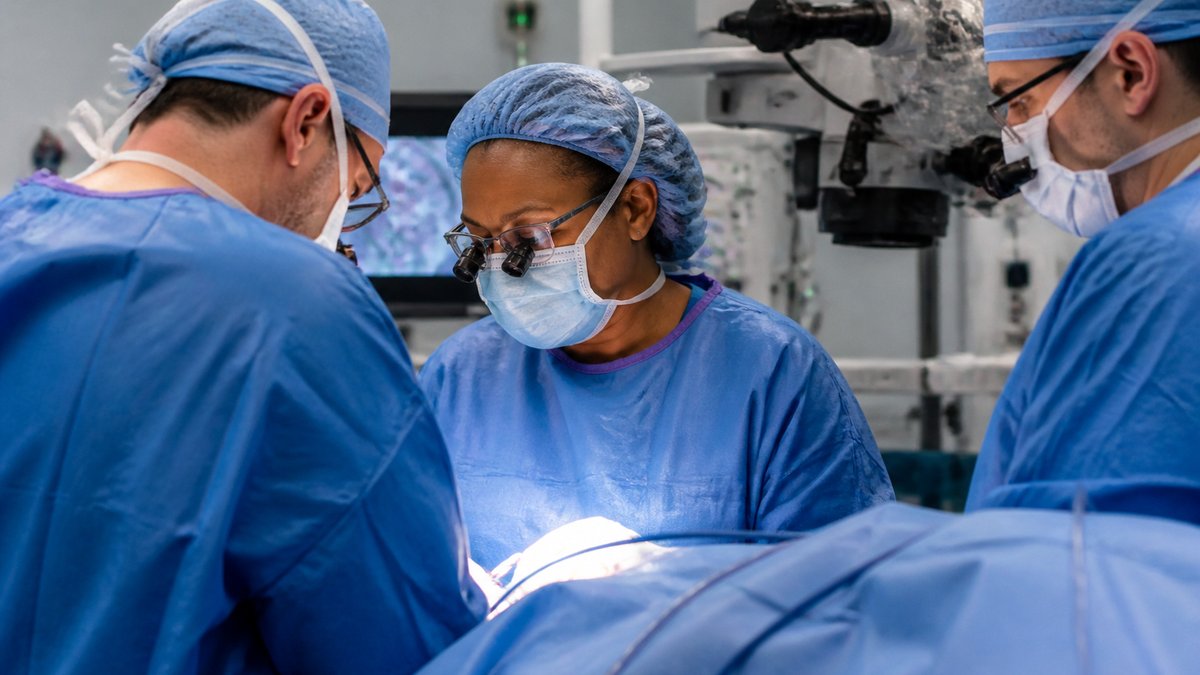
Brain aneurysm surgery is a treatment option used to address weakened areas in blood vessel walls within the brain. The treatment process typically involves diagnostic imaging, evaluating the aneurysm’s characteristics, and discussing available surgical approaches. Because aneurysms vary in size, location, and rupture risk, a neurosurgeon develops treatment recommendations based on individual findings and overall health. Here is more information about getting brain surgery for an aneurysm:
Evaluating Brain Aneurysms
Before recommending brain surgery, a neurosurgeon reviews the patient’s medical history to understand their overall health. The specialist also examines the aneurysm’s characteristics to assess potential risks. Because each aneurysm presents differently, the evaluation helps determine which treatment approach best fits the patient’s condition. Some patients require brain surgery, while others benefit from endovascular treatment or continued monitoring.
Diagnostic imaging provides additional information about the aneurysm and surrounding blood vessels. Tests such as CT scans, MRI scans, or cerebral angiography may be used to examine blood vessel structures and identify abnormalities. The neurosurgeon reviews these findings to evaluate blood flow, nearby arteries, and anatomical features that may influence treatment decisions.
Performing Surgical Aneurysm Clipping
Surgical aneurysm clipping is a procedure used to prevent blood from entering an aneurysm by placing a small metal clip across its neck. A neurosurgeon accesses the affected blood vessel through an opening in the skull and uses specialized instruments to locate the aneurysm. Because aneurysms vary in size, shape, and location, the surgical approach depends on the patient’s anatomy and individual condition. The procedure typically involves several steps:
- Administering Anesthesia: Providing general anesthesia before beginning the procedure.
- Creating an Opening: Making a scalp incision and temporarily removing a section of the skull.
- Accessing the Aneurysm: Using specialized instruments and magnification to locate the affected blood vessel.
- Placing the Clip: Positioning a surgical clip across the aneurysm’s neck to block blood flow into the weakened area.
- Checking Blood Flow: Assessing circulation through nearby blood vessels after clip placement.
- Closing the Incision: Replacing the bone section and closing the surrounding tissues.
Performing Artery Occlusion and Bypass
Artery occlusion and bypass are surgical techniques used to manage certain brain aneurysms when other treatment approaches are unsuitable. During a bypass procedure, a neurosurgeon creates an alternative pathway for blood to reach areas supplied by the affected artery. Depending on the aneurysm’s location and surrounding blood vessels, the surgeon may also close or block the diseased arterial segment. Because these procedures involve complex vascular structures, treatment planning includes evaluating blood flow, vessel anatomy, and the patient’s individual condition.
Performing Endovascular Coiling
Endovascular coiling allows specialists to treat certain brain aneurysms through a minimally invasive procedure without opening the skull. During the procedure, a specialist uses imaging technology to guide a thin catheter through a blood vessel toward the aneurysm. The specialist then places small metal coils inside the aneurysm to reduce blood flow into the weakened area.
A specialist evaluates the aneurysm’s size, shape, location, and surrounding blood vessels to determine whether endovascular coiling is appropriate. Because aneurysms have different structural characteristics, specialists sometimes use additional devices, such as stents or balloons, to support coil placement. The specialist also reviews the patient’s medical history before recommending a treatment approach.
Following endovascular coiling, specialists use imaging tests to monitor the treated aneurysm and surrounding blood vessels. They may perform MRI scans or cerebral angiography to assess blood flow and identify possible changes. Depending on the findings, the specialist may recommend continued monitoring or discuss additional treatment options.
Schedule Your Brain Surgery Consultation
During a brain surgery consultation, a neurosurgeon reviews diagnostic imaging, medical history, and the characteristics of a brain aneurysm. The specialist evaluates the affected blood vessels and discusses treatment options based on the aneurysm’s size, location, and individual risk factors. Because treatment approaches vary, the neurosurgeon also explains surgical procedures, endovascular techniques, potential risks, and follow-up recommendations. Schedule a consultation with a neurosurgeon today to discuss your diagnosis and explore available treatment options.
- The Role of Testosterone Replacement in Treating Erectile Dysfunction
- The Long-term Benefits of Root Canal Therapy for Your Smile
- Identifying and Treating Common Warts
- Utilizing Telehealth for Accessible Chiropractic Consultations
- The Role of a Dermatologist in Managing Chronic Skin Conditions