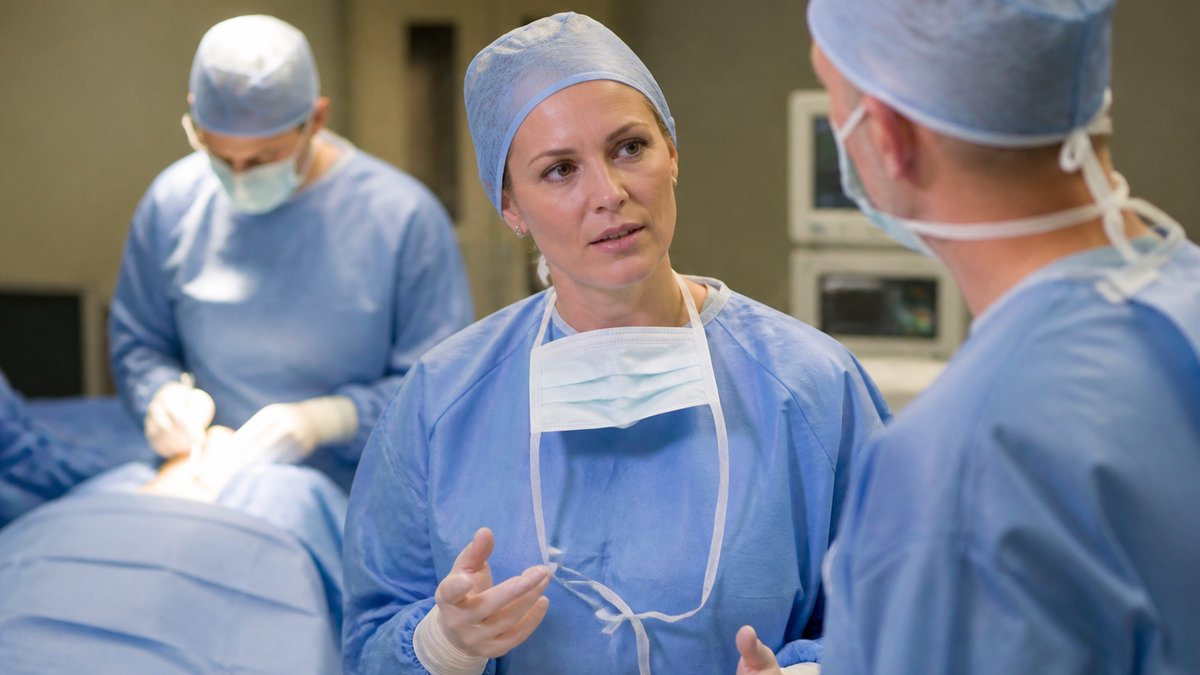
General surgeons spend significant time teaching patients what is happening with their health, not just performing procedures. Clear communication shapes every step of surgical care, from the first consultation to the last follow-up visit. When patients understand their diagnosis, options, and treatment steps, they can make informed decisions and be prepared for surgery and recovery. Here’s more information on the role of communication and patient education between patients and their surgeon:
How Surgeons Explain a Diagnosis
Explaining a diagnosis starts with a surgeon reviewing test results and physical exam findings in plain language, then connecting those details to the symptoms a patient notices at home. Many surgeons use drawings, printed diagrams, or digital images to show which organs are involved and to explain what medical terms mean. In these conversations, surgeons offer care that focuses on informing health decisions and helping people process health information effectively. They answer questions about:
- What the Diagnosis Implies
- What Warning Signs To Watch for
- What Uncertainties Still Exist
How They Communicate Their Recommendations
Once the diagnosis is clear, surgeons walk patients through the options that fit their situation, step by step. They explain when surgery is recommended, when watchful waiting is reasonable, and when further evaluation will guide the plan. During this discussion, they describe the goals of treatment and pause to check that the patient’s questions are answered in full. A surgeon often revisits the same point in different ways, using shorter explanations, visual aids, or written materials so that the information isn’t rushed. Treatment recommendations often include a choice between:
- Open Surgery
- Minimally Invasive Techniques
- Additional Testing
Patients hear about the likely course of care, possible alternatives, and the kind of follow-up visits that support long-term monitoring. Open surgery involves a larger incision and a more direct view of the area being treated, which may suit certain complex or urgent situations. Minimally invasive robotic-assisted surgery uses small incisions and specialized instruments, and surgeons describe how this approach differs in terms of hospital stay, discomfort, and scarring. If further testing, such as an upper endoscopy, is needed before any procedure, they explain what the test involves and how those findings influence the final plan. Throughout these conversations, surgeons invite patients to share their concerns and goals so the recommended path aligns with the whole person.
How They Keep Patients Informed
Communication continues through surgical preparation and recovery. Before surgery, the team reviews fasting and medication instructions, transportation needs, and what to bring on the operation day. Patients learn what to expect when they arrive and how anesthesia will be administered for their procedure. After surgery, surgeons explain what was found, what was done, and how that compares to the original plan. They outline recovery milestones and activity limits before detailing wound-care instructions, describing which symptoms are common and which are abnormal. Follow-up appointments give patients space to ask new questions, discuss lingering discomfort, and review any pathology or test results.
Visit a Surgeon for Care
Scheduling a consultation gives you time to talk through your diagnosis, your questions, and your priorities in detail. To prepare for an initial consultation, bring a list of your concerns and the medications you are currently taking. Also explain any past procedures you’ve had so the surgeon has a clear picture of your health. You can make the most of your appointment by writing down your questions in advance; this helps you discuss all of your concerns. If you want personalized advice for a musculoskeletal or organ-related condition, contact a general surgeon to schedule a consultation.
- The Role of Testosterone Replacement in Treating Erectile Dysfunction
- The Long-term Benefits of Root Canal Therapy for Your Smile
- Identifying and Treating Common Warts
- Utilizing Telehealth for Accessible Chiropractic Consultations
- The Role of a Dermatologist in Managing Chronic Skin Conditions

