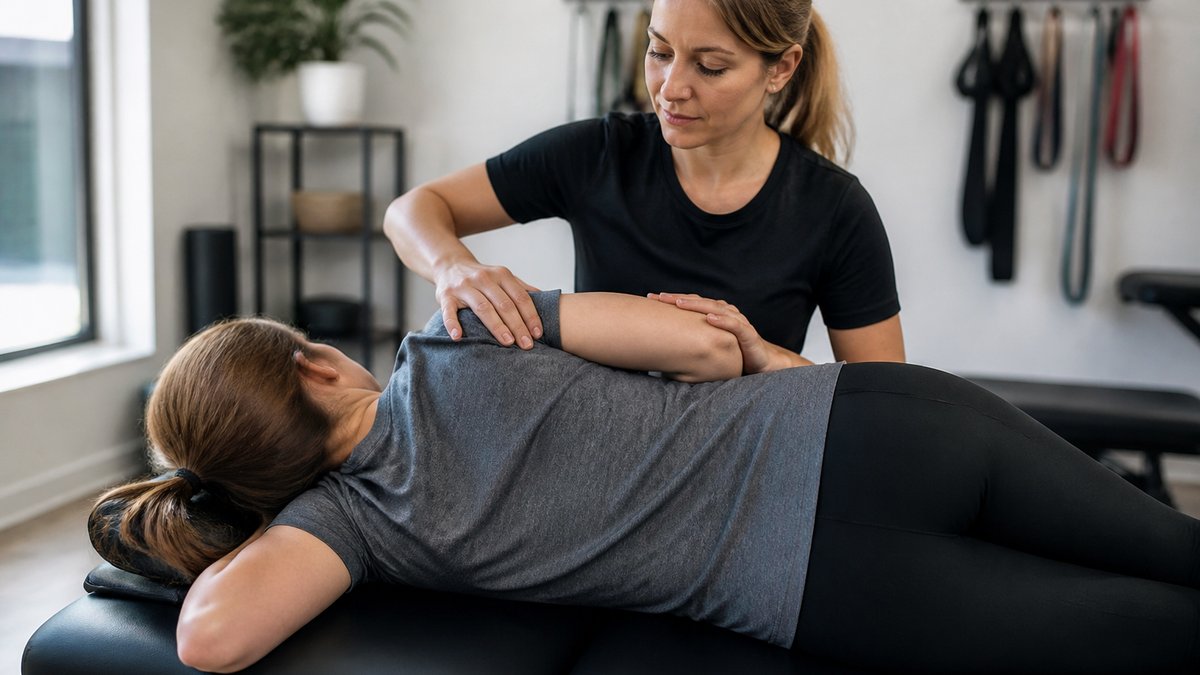
Managing lower back discomfort involves reviewing physical symptoms alongside daily habits, stress, and overall well-being. A holistic approach combines these factors to support a care plan tailored to the individual’s needs and the cause of the pain. Here is a closer look at holistic approaches to lower back pain management:
Supporting Movement
Targeted movement for lower back pain can give stiff muscles and joints a chance to function more efficiently. Exercise programs use controlled motions and gradual progression, focusing on safe strengthening and mobility. A therapist evaluates posture and movement patterns and recommends exercises that match current ability.
Strength and Stability Training
Core and hip strength influence how the lower back handles load, and they often guide how forces travel through the spine. A program may include bridges, gentle planks, and hip abduction work; each exercise stays within a safe range. The goal is to build endurance in supporting muscles and help the spine manage bending, lifting, and twisting.
Flexibility and Mobility Work
When muscles around the spine stay tight, the lower back absorbs extra stress, and other joints move less freely. Stretching routines often target hamstrings, hip flexors, and gluteal muscles, progressing gradually over time. A therapist may guide controlled mobility drills, and they monitor symptoms during each movement.
Managing Stress
Stress can affect muscle tension and pain perception, and it also shapes how the nervous system responds to lower back pain. Mind-body practices aim to calm that response, and they help people notice how stress shows up in the body. Breathwork uses slow inhalations and exhalations to guide the nervous system toward a more relaxed state. Meditation or guided imagery shifts focus away from persistent discomfort, and it also builds skills for handling pain flares.
Gentle yoga or tai chi blends controlled breathing with slow and deliberate movement. These activities promote balance and coordination, and they also encourage awareness of posture during movement. Over time, people can learn which positions soothe their lower back and which positions increase strain.
Improving Sleep and Daily Habits
Sleep and daily routines influence how the spine recovers from stress, and they also affect inflammation and muscle tone. Small habit changes can make movement strategies more effective and support steady progress. Here are some practical steps that can reduce unnecessary load on the lower back:
- Sleep position adjustments: A pillow between the knees or under them supports neutral alignment.
- Supportive mattress and pillows: A surface that maintains the spine level can help muscles relax and limit overnight stiffness.
- Regular movement breaks: Short walks or stretches every few minutes interrupt long periods of sitting and reduce joint compression.
- Desk and workstation setup: Chair height, monitor level, and keyboard placement influence posture and affect spinal load.
- Lifting mechanics: Bending at the hips and knees distributes the effort across larger muscles, and it protects the lower back.
Exploring Complementary Therapies
Some people deliberate on complementary therapies when exercise and habit changes need extra support. Chiropractic adjustments and manual therapy approaches focus on joint motion and work to restore more balanced movement. Professional guidance keeps these therapies aligned with a broader plan, and it reduces the risk of conflicting advice. A healthcare provider reviews medical history and imaging and discusses which options fit current goals. Open communication among therapists, physicians, and patients can help track responses and adjust strategies as needed.
Schedule Your Lower Back Pain Consultation
Holistic lower back pain management uses movement, stress management, sleep, and daily habits, and it links them into one plan. This approach addresses how you move and how your body responds to daily demands. A consultation gives you space to review symptoms, discuss goals, and outline practical next steps. Contact a qualified healthcare provider near you to schedule your lower back pain consultation today.
- The Role of Testosterone Replacement in Treating Erectile Dysfunction
- The Long-term Benefits of Root Canal Therapy for Your Smile
- Identifying and Treating Common Warts
- Utilizing Telehealth for Accessible Chiropractic Consultations
- The Role of a Dermatologist in Managing Chronic Skin Conditions

