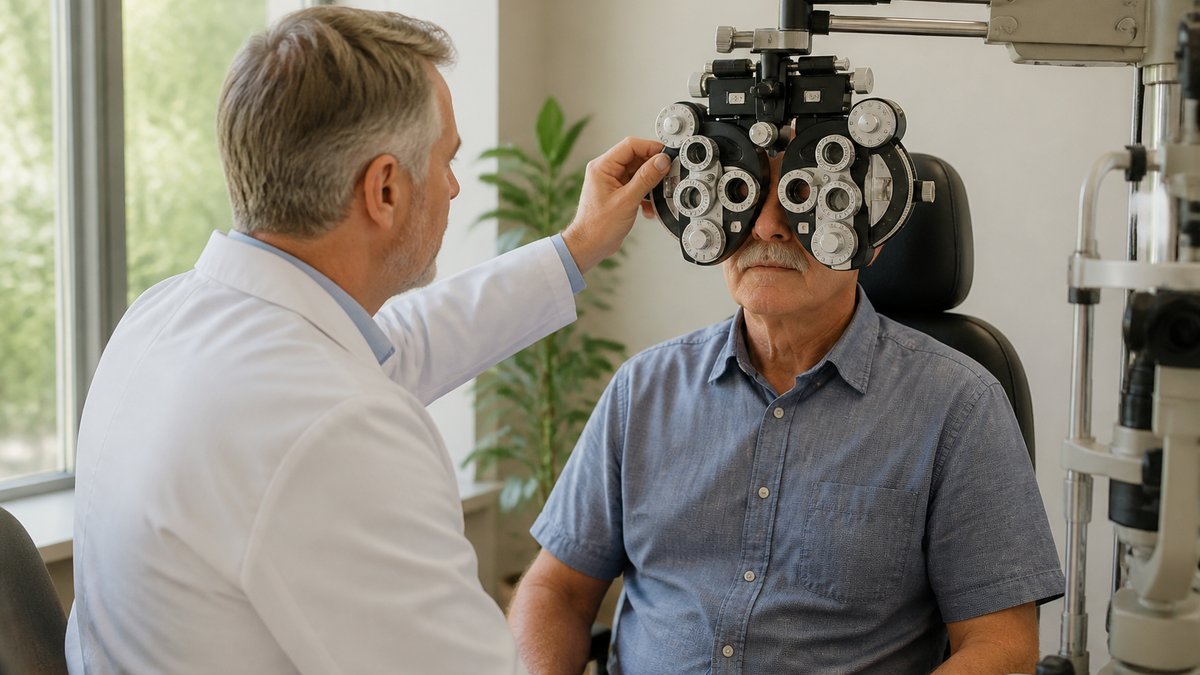
An ophthalmologist performs procedures to diagnose eye conditions, monitor changes in eye health, and treat problems that affect vision. These procedures include laser treatments and surgery, depending on the condition and the goal of care. Here are some procedures performed by ophthalmologists:
Surgical Cataract Treatment
Cataract surgery addresses clouding of the natural lens that interferes with daily tasks. The ophthalmologist removes the cloudy lens and replaces it with a clear artificial lens, which helps light focus properly on the retina. The procedure usually takes place on an outpatient basis and uses local anesthesia with targeted sedation. Healing time varies between individuals, and follow-up visits track recovery and visual outcomes.
Preoperative evaluation identifies coexisting eye conditions that may influence planning. The doctor measures eye length and corneal curvature; these values guide intraocular lens selection. Postoperative care often involves prescription eye drops and instructions about activity restrictions.
Surgical Pterygium Removal
Pterygium removal targets a wedge-shaped growth that extends from the conjunctiva onto the cornea. The growth often relates to chronic sun exposure, and it may cause irritation, redness, or visual distortion. When symptoms progress or vision changes, surgical excision becomes an option. The procedure removes the abnormal tissue and may involve placing a graft to reduce the risk of recurrence. Surgery usually occurs with local anesthesia, and the eye is protected with a shield afterward. Recovery involves topical medications, and follow-up visits can monitor graft position and surface healing.
Laser-Based Glaucoma Treatment
Laser procedures for glaucoma aim to improve fluid outflow or reduce fluid production within the eye. These treatments lower intraocular pressure and support long-term protection of the optic nerve. Here are some laser techniques that ophthalmologists use:
- Laser trabeculoplasty: This procedure applies laser energy to the drainage angle, enhancing fluid outflow through the trabecular meshwork.
- Laser iridotomy: The laser creates a small opening in the peripheral iris, equalizing pressure between eye chambers.
- Cyclophotocoagulation: This approach targets the ciliary body, and it reduces fluid production to lower intraocular pressure.
Post-laser monitoring checks pressure trends, and it guides adjustments to topical medications.
Retinal Screening for Plaquenil
Plaquenil retinal screening evaluates the retina in patients using hydroxychloroquine for systemic conditions. Long-term use of this medication has a risk of retinal toxicity, and screening focuses on early structural or functional changes.
Baseline Evaluation
Baseline testing occurs near the start of therapy, and it documents normal retinal status. Examinations often include visual acuity, dilated fundus evaluation, and specialized imaging. Functional tests assess central visual field sensitivity, and they detect subtle defects. These records provide a comparison point for later visits.
Ongoing Monitoring
Ongoing monitoring tracks any emerging signs of toxicity over time. Structural imaging evaluates the macula and photoreceptor layers, helping detect early damage patterns. Functional testing identifies small scotomas or pattern changes, and these findings guide discussions with the prescribing physician. When concerning changes appear, dose adjustments or medication changes enter the treatment conversation.
Visit an Ophthalmologist Today
The procedures an ophthalmologist performs serve different purposes. These include treating eye conditions through cataract surgery, pterygium removal, and laser treatment for glaucoma; they also monitor retinal health during Plaquenil use. Contact a qualified ophthalmologist near you to schedule your appointment today.
- The Role of Testosterone Replacement in Treating Erectile Dysfunction
- The Long-term Benefits of Root Canal Therapy for Your Smile
- Identifying and Treating Common Warts
- Utilizing Telehealth for Accessible Chiropractic Consultations
- The Role of a Dermatologist in Managing Chronic Skin Conditions

