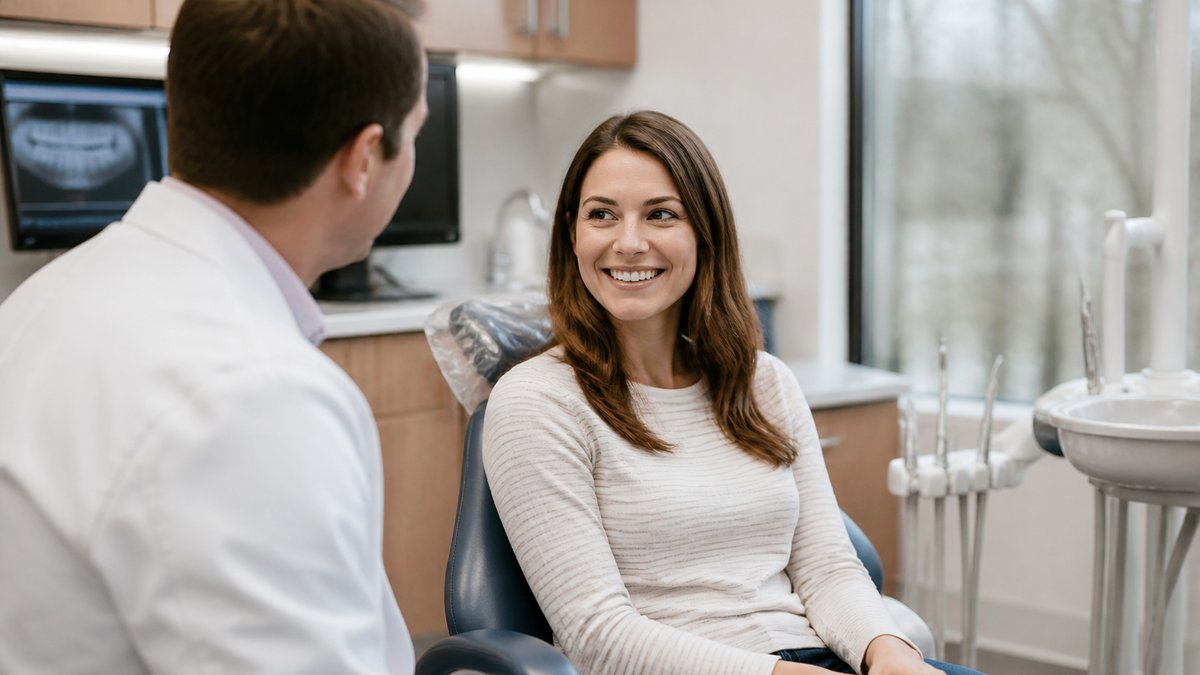
Cosmetic dentistry focuses on improving the appearance of your teeth and bite. While general dentistry treats disease and decay, cosmetic dentistry addresses tooth color, shape, size, and alignment. Many cosmetic treatments also support oral function, and some help protect teeth from further wear. Here are some ways dental innovations support treatment:
Digital Smile Design
Digital Smile Design (DSD) is a planning method that uses digital scans of your face and teeth. The dentist studies your facial features, lip line, and tooth proportions, and the software builds a model of your proposed smile. Before work begins, you can review this model on a screen. This gives you a preview of your cosmetic dentistry result. You can ask questions, and the dentist adjusts the design if you want changes to tooth length, width, or shape. Some practices also print a trial version of the new teeth from the digital plan. Because the plan is shared with dental labs and specialists, everyone on your care team works from the same information.
Same-Day Restorations
Traditional crowns often require two or more visits, and patients wear a temporary crown while a lab makes the final piece. Same-day restorations use computer-aided design (CAD) and computer-aided manufacturing (CAM). After the dentist prepares the tooth, a small camera captures a 3D image. Software designs the restoration, and an in-office milling machine shapes it from ceramic or resin. The dentist then bonds the restoration in place during the same appointment. Same-day options may include:
- Crowns: Cover and protect a damaged or weakened tooth.
- Inlays and onlays: Repair moderate decay or fractures while preserving more of the natural tooth.
- Veneers: Thin shells that change the color or shape of front teeth, offered as same-day work in some offices.
Advanced Clear Aligners
Clear aligners are thin, removable trays that move teeth into new positions over time. Older aligner systems primarily addressed mild spacing and crowding, but newer systems treat a wider range of cases. Many treatment plans help fix overbites, underbites, and crossbites. When the dentist takes a digital scan, software maps each stage of tooth movement, and you receive a series of trays based on that plan. Small tooth-colored attachments help the trays grip your teeth. These allow the trays to rotate or shift teeth with greater accuracy.
Material changes have also improved aligner systems. Many trays now use multilayer plastics that apply steady, even pressure to the teeth. Dentists recommend wearing aligners for 20 to 22 hours a day. You can remove the trays to eat, drink, and brush. If you follow the wear schedule, treatment often takes 6 to 18 months. Your dentist checks progress at regular visits, and they order new trays if adjustments are needed.
Learn More About Cosmetic Dentistry
Cosmetic dentistry uses digital tools that make planning and treatment more precise. Digital Smile Design shows you a preview of your result, and same-day restorations reduce the number of office visits. Modern clear aligners treat more types of bite problems than earlier versions. Your dentist will examine your oral health and explain which options fit your goals. Schedule a consultation with a cosmetic dentist today.
- The Role of Testosterone Replacement in Treating Erectile Dysfunction
- The Long-term Benefits of Root Canal Therapy for Your Smile
- Identifying and Treating Common Warts
- Utilizing Telehealth for Accessible Chiropractic Consultations
- The Role of a Dermatologist in Managing Chronic Skin Conditions