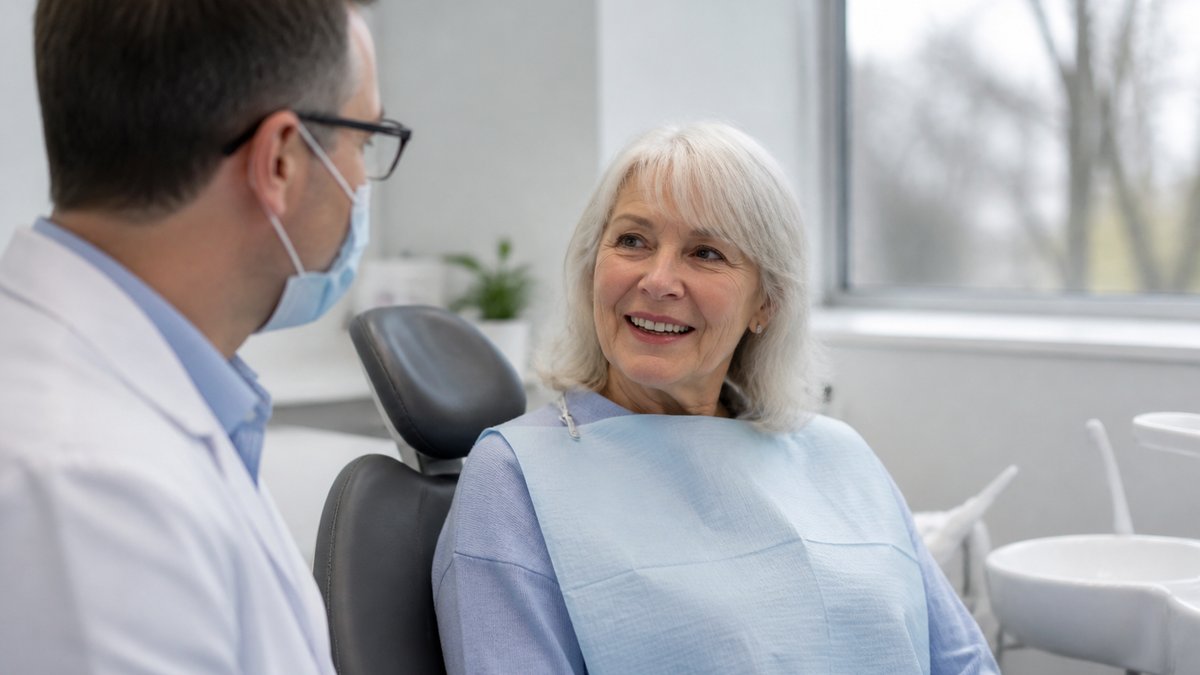
A dental emergency can leave you with immediate questions about what to do and where to seek care. Knowing when to contact an emergency dentist helps you act quickly and protect your oral health. Here is more information on what to do in a dental emergency:
Check for Warning Signs
Some dental issues require same-day attention, while others can wait for a scheduled visit. Look for warning signs such as uncontrolled bleeding, swelling that affects breathing, or severe pain that does not improve. If breathing or swallowing becomes difficult and pain is intense, treat the situation as urgent and seek immediate help. When symptoms do not respond to basic first aid, contact an emergency dentist for direction.
Other warning signs include a knocked-out tooth, a large crack that exposes inner tooth layers, or a loose permanent tooth. These problems often progress if ignored and can lead to infection or tooth loss. When damage looks extensive and home care offers little relief, prompt evaluation can reduce the risk of complications.
Call an Emergency Dentist
Once you recognize warning signs, take organized steps to contact professional help. Some practices offer instructions on their voicemail or website for after-hours emergencies to guide your next move. An emergency dentist can advise whether you need immediate care or if a next-day appointment is reasonable. Here is an overview of key details to provide:
- Describe symptoms clearly: Explain when the pain started, where it is located, and what makes it worse or better during the day.
- Mention visible damage: Tell them if a tooth broke, fell out, or changed color, and describe any bleeding or swelling you notice.
- Share medical details: List current medications and allergies, and mention any recent dental work in the affected area.
- Ask for interim advice: Request guidance on cleaning the area, managing discomfort, and protecting the tooth until your visit.
- Follow office instructions: If the dentist recommends an urgent visit or directs you to a hospital, follow that guidance without delay.
Protect an Injured Tooth
Tooth trauma often occurs during sports, accidents, or while eating hard foods, and quick action can preserve the tooth. Handle any fragments or a knocked-out tooth gently, and avoid touching the root surface.
Knocked-Out Tooth
Pick up the tooth by the crown only, and avoid scrubbing or removing attached tissue. If the tooth is dirty, gently rinse it with clean water, and do not use soap or chemicals. Try to place the tooth back into the socket if possible, and bite down softly on gauze to hold it. If reinsertion is not possible, place the tooth in milk and contact an emergency dentist quickly.
Chipped or Cracked Tooth
Rinse your mouth with lukewarm water, and gently clean away any blood or debris. Save any broken pieces in a clean container, and bring them to your appointment for evaluation. Avoid biting on the injured tooth, and choose soft foods until a dentist assesses the damage. If sharp edges irritate your cheek or tongue, place dental wax or sugarless gum over the area as a temporary barrier.
Manage Discomfort While Waiting
Pain control and protection of the injured area can help you stay functional until professional care becomes available. Rinse your mouth with warm salt water to keep the area clean while soothing irritated tissues. Over-the-counter pain relievers can reduce discomfort and should be taken as directed on the label. Avoid placing aspirin directly on gums or teeth because this practice can irritate soft tissue and does not improve healing.
Visit an Emergency Dentist Today
Prompt action during a dental emergency reduces the chance of lasting damage and supports treatment. When you recognize warning signs, contact an emergency dentist and follow their instructions. Contact a qualified emergency dentist near you to book your appointment for a dental emergency today.
- The Role of Testosterone Replacement in Treating Erectile Dysfunction
- The Long-term Benefits of Root Canal Therapy for Your Smile
- Identifying and Treating Common Warts
- Utilizing Telehealth for Accessible Chiropractic Consultations
- The Role of a Dermatologist in Managing Chronic Skin Conditions

