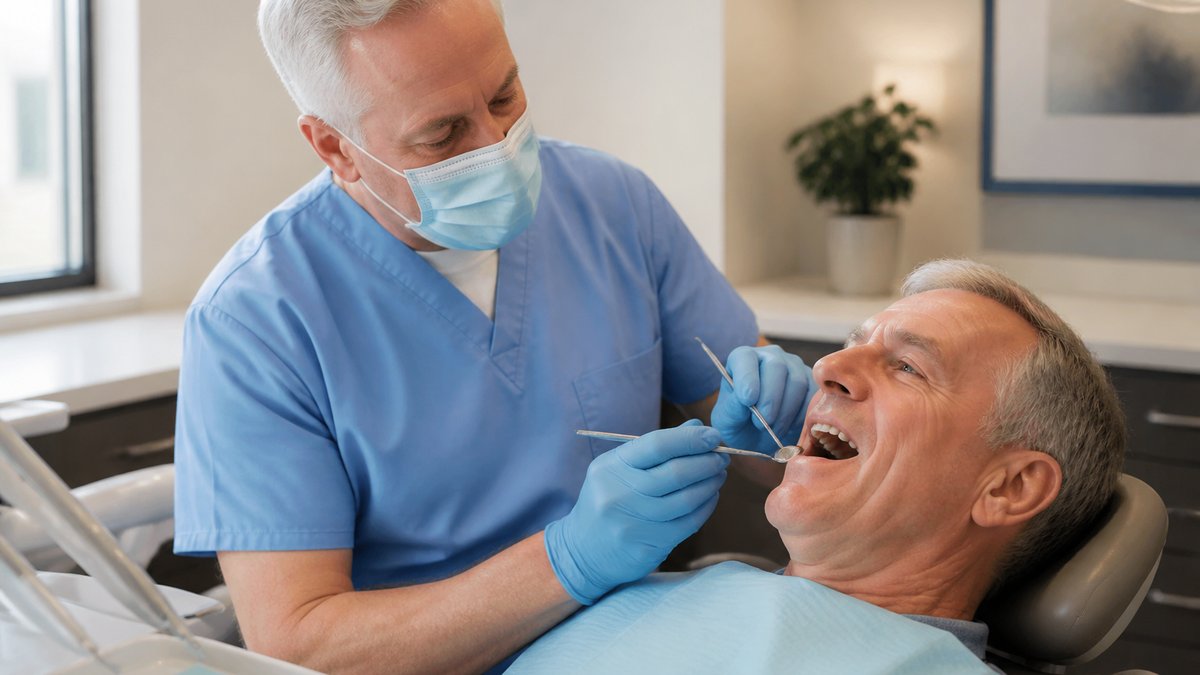
Regular visits to a dentist support long-term oral health, but daily habits between appointments shape outcomes. When brushing, flossing, food choices, and rinsing work together, plaque stays low, and gums stay more stable. A consistent routine at home reduces the risk of decay, and it also helps appointments stay focused on prevention instead of repair. This is what you can do between dental visits:
Brush Twice Daily
Brushing twice a day disrupts plaque before it hardens, and it limits stain buildup on tooth surfaces. Use a soft-bristled toothbrush so the bristles reach along the gumline without scraping enamel. When you brush for two full minutes, each area of the mouth receives more attention and debris leaves fewer hiding places. Angle the bristles toward the gums as you move in short strokes, and clean the tongue to reduce bacterial load.
Floss Regularly
Flossing reaches areas that a toothbrush misses, and it removes plaque between teeth before it hardens into tartar. When floss slides under the gumline, it disrupts bacteria that contribute to inflammation and bleeding. Daily flossing supports fresher breath, and it gives your dentist fewer tight spaces filled with debris during cleanings. Use these steps:
- Use about 18 inches of floss, and wrap it around your middle fingers for better control.
- Guide the floss gently between teeth, and curve it into a C-shape against each surface.
- Slide under the gumline with light pressure, and avoid snapping the floss onto the tissue.
- Switch to a clean section of floss as you move from tooth to tooth across the arch.
Limit Sugary and Acidic Foods
Sugary snacks may lead to oral bacteria, and those bacteria release acids that weaken enamel. When snacking stretches across the day, teeth stay under frequent acid attacks and recovery time shortens. Rinse with water after dessert so residue leaves the tooth surface instead of sitting in grooves.
Acidic drinks such as sodas and some sports beverages soften enamel, and softened enamel may lose minerals more easily. If you sip these drinks slowly, your teeth face repeated acid exposure and surface wear increases. Use a straw when possible so the liquid spends less time around the front teeth. Wait a short period before brushing after acidic drinks.
Balanced meals support oral health, and they also support general wellness across the body. When you choose fiber-rich vegetables and proteins, chewing stimulates saliva and neutralizes acids. Dairy products that fit your diet provide minerals that help teeth stay dense.
Gargle With Mouthwash
Mouthwash reaches areas that brushing and flossing sometimes leave behind. When you swish for the recommended time, the liquid flows between teeth and around the back of the tongue. Some rinses reduce bacteria levels, and others focus on strengthening enamel with fluoride.
Gargling helps reach the throat area. Use mouthwash at a different time than brushing if your product contains fluoride, because spacing use extends contact with teeth. If alcohol-based rinses cause dryness, an alcohol-free option may provide similar benefits with less irritation. Regular use supports the work your dentist completes during visits, and it fits easily into a daily schedule.
Schedule a Dentist Visit
Even with consistent home care, professional exams and cleanings remain a key part of oral health. A dentist identifies early changes in teeth and gums, and they address concerns before they progress. Regular visits also give you tailored guidance on brushing, flossing, diet, and mouthwash choices. When you maintain daily habits and keep appointments, you build a stable foundation for long-term oral health.
- The Role of Testosterone Replacement in Treating Erectile Dysfunction
- The Long-term Benefits of Root Canal Therapy for Your Smile
- Identifying and Treating Common Warts
- Utilizing Telehealth for Accessible Chiropractic Consultations
- The Role of a Dermatologist in Managing Chronic Skin Conditions

