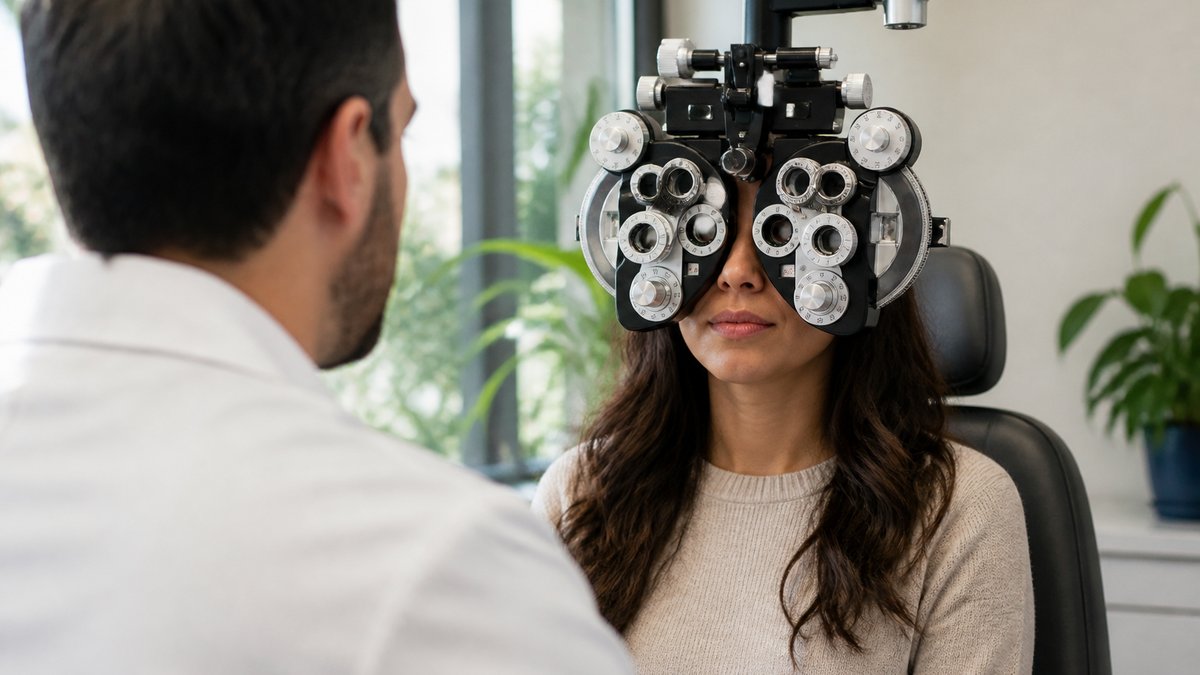
Monitoring eye pressure helps ophthalmologists assess glaucoma risk and track changes that may affect vision. Because elevated eye pressure increases glaucoma risk, regular examinations help providers identify concerns and recommend appropriate treatment. Eye pressure testing, medication management, and follow-up appointments support ongoing glaucoma care. Understanding these services helps patients stay informed about their eye health and available treatment options. Here is more information about how to monitor your eye pressure to prevent glaucoma:
Evaluating Eye Pressure and Glaucoma
Eye pressure evaluations help ophthalmologists identify potential signs of glaucoma and monitor changes in eye health. During an examination, providers use tonometry to measure pressure inside the eye. They also assess corneal thickness, optic nerve health, and visual function to evaluate glaucoma risk. Because eye pressure varies between patients, these findings help providers determine whether additional testing is needed.
Regular eye pressure monitoring helps providers identify changes that a single examination might miss. Some patients experience pressure fluctuations throughout the day or between appointments. When results suggest possible glaucoma, ophthalmologists may recommend optic nerve imaging or visual field testing. These tests help identify potential nerve damage and changes in peripheral vision. Providers use the results to determine appropriate monitoring schedules and treatment recommendations.
Managing Eye Pressure With Medication
Prescription eye drops help lower eye pressure and reduce the risk of glaucoma-related vision damage. These medications work by reducing fluid production or improving fluid drainage inside the eye. Ophthalmologists select medications based on eye pressure measurements, medical history, and individual treatment needs. Because treatment responses vary, regular follow-up appointments help providers monitor pressure levels and adjust medications when needed. Common medications used to manage eye pressure include:
- Beta-Blockers: Reduce fluid production inside the eye to help lower pressure.
- Prostaglandin Analogs: Improve fluid drainage to reduce pressure within the eye.
- Alpha Agonists: Decrease fluid production while improving drainage.
- Carbonic Anhydrase Inhibitors: Limit fluid production to help control eye pressure.
- Combination Eye Drops: Combine two medications into one treatment to simplify daily dosing.
Performing Selective Laser Trabeculoplasty
Selective laser trabeculoplasty (SLT) is a laser treatment that helps lower eye pressure in patients with certain types of glaucoma. During the procedure, ophthalmologists use targeted laser pulses to improve fluid drainage through the eye’s natural drainage system. The treatment takes place in an outpatient setting and does not require surgical incisions. Depending on the patient’s condition, SLT may be recommended as an initial treatment or when medications provide limited pressure control. Follow-up appointments help providers monitor eye pressure and determine whether additional treatment is necessary.
Treating Glaucoma With Iridotomy
Laser iridotomy helps treat narrow drainage angles and certain types of angle-closure glaucoma. These conditions occur when the space between the iris and cornea becomes too narrow, restricting fluid drainage. During the procedure, ophthalmologists use a focused laser to create a small opening in the iris. This opening allows fluid to move more freely between the eye’s chambers, helping reduce pressure buildup.
Before treatment, providers administer numbing drops and may use medications to help control eye pressure. A special contact lens helps direct the laser toward the treatment area. The procedure typically takes place in an outpatient setting, and patients may notice brief flashes of light. Afterward, providers may prescribe eye drops to manage inflammation and monitor pressure changes. Follow-up appointments help determine whether the opening remains functional.
Some patients continue using glaucoma medications after laser iridotomy to maintain appropriate eye pressure. Treatment recommendations depend on pressure measurements, optic nerve health, and individual risk factors. Because glaucoma requires ongoing monitoring, ophthalmologists may recommend visual field testing, optic nerve imaging, and additional examinations. These evaluations help providers track changes and adjust treatment plans when necessary.
Schedule Your Glaucoma Exam Today
Regular eye pressure monitoring helps ophthalmologists identify changes associated with glaucoma and potential vision damage. Comprehensive eye examinations may include optic nerve evaluations, visual field testing, and pressure measurements. Patients with a family history of glaucoma or previous eye injuries may benefit from additional monitoring. Schedule a comprehensive eye examination today to discuss your glaucoma risk and explore appropriate testing and treatment options.
- The Role of Testosterone Replacement in Treating Erectile Dysfunction
- The Long-term Benefits of Root Canal Therapy for Your Smile
- Identifying and Treating Common Warts
- Utilizing Telehealth for Accessible Chiropractic Consultations
- The Role of a Dermatologist in Managing Chronic Skin Conditions

